
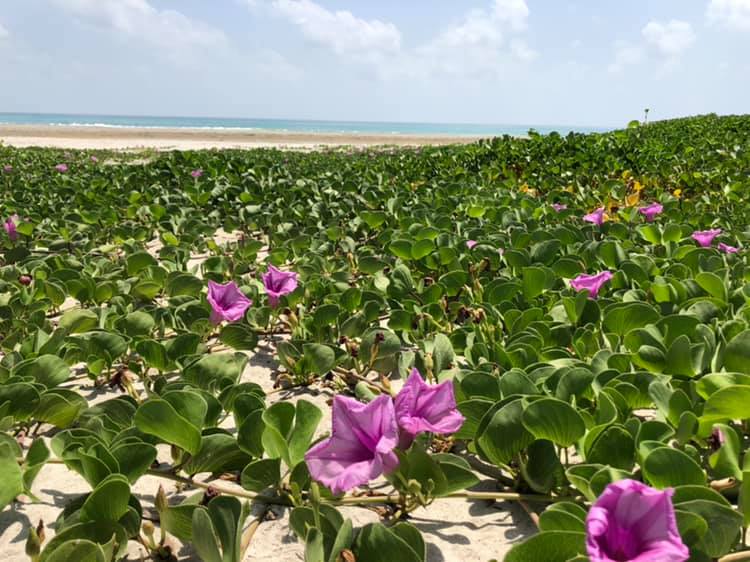
Practical tip 1: Rent a car from the airport, (if you are flying into Salalah). There is a lot to see in Salalah but please don’t limit yourself, there is a lot more to see on the outskirts of Salalah. After speaking to a few people and doing my research I decided renting a car was the best option for me to get around to all the places I wanted to see and explore. I picked my car up at the airport and drove myself to my hotel in the city.
Day 1 – Taqah
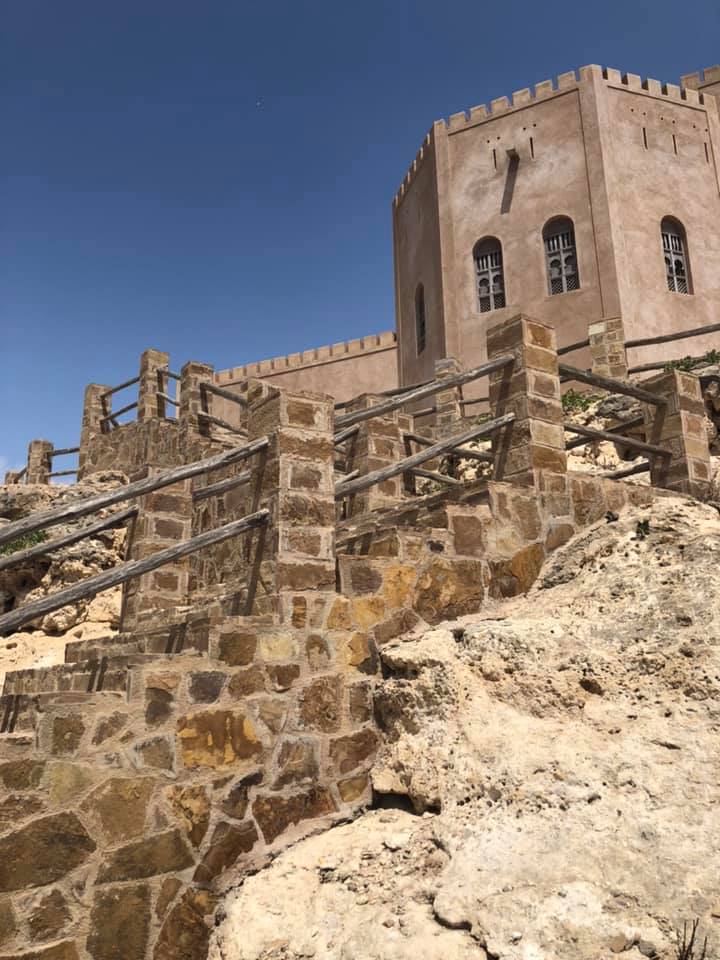
I decided I was going to drive out of Salalah, 40 kms west to Taqah and then make my way back stopping over at various sites. It is easy to drive in Salalah, the roads are big with hardly any traffic. It took me about 35 minutes to drive to Taqah castle. The castle itself is not very big but it’s definitely one of the most tourist friendly, full of information, which I always found the other forts and castles in Oman lack.
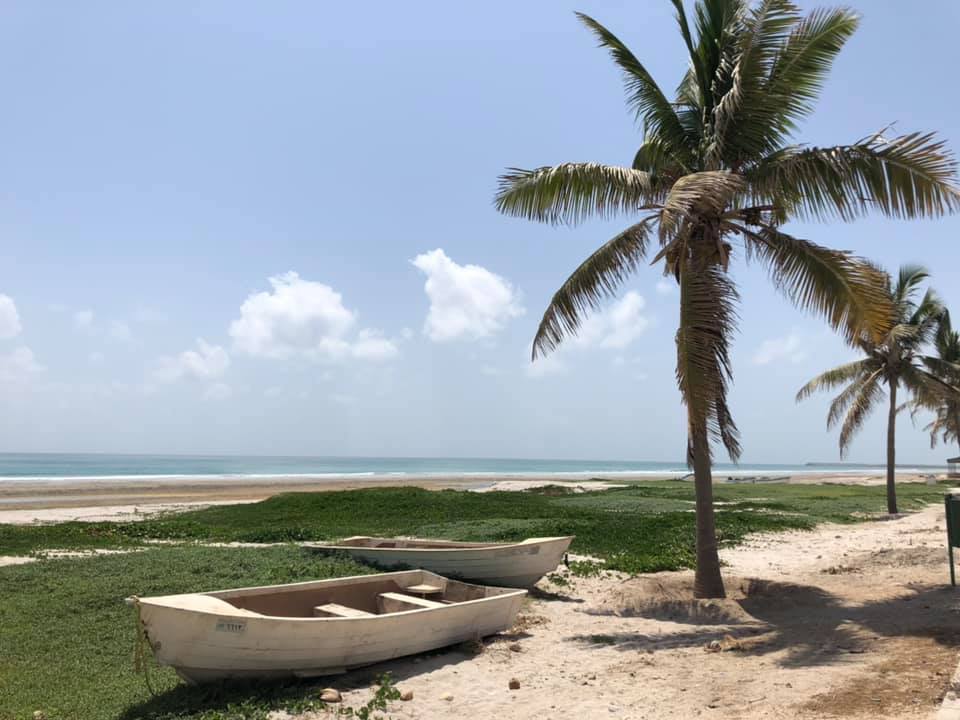
In close proximity to the castle is Taqah beach, which is mainly used by fishermen. Beautiful untouched white sand, only seagulls and fishing boats line this beach. A main road runs next to this beach, which makes it is easily accessible by car.

The sand here is quite deep, and as I ran back to the car, my mobile phone fell out of my pocket and into the sand! I only realised once I reached the car. You can just imagine my shear panic, realising I was in the middle of nowhere without a phone to guide me back. After running around like a headless chicken trying to retrieve my phone, I finally found it half buried in a heap of sand. I can’t remember the last time I was so relieved to see my mobile.
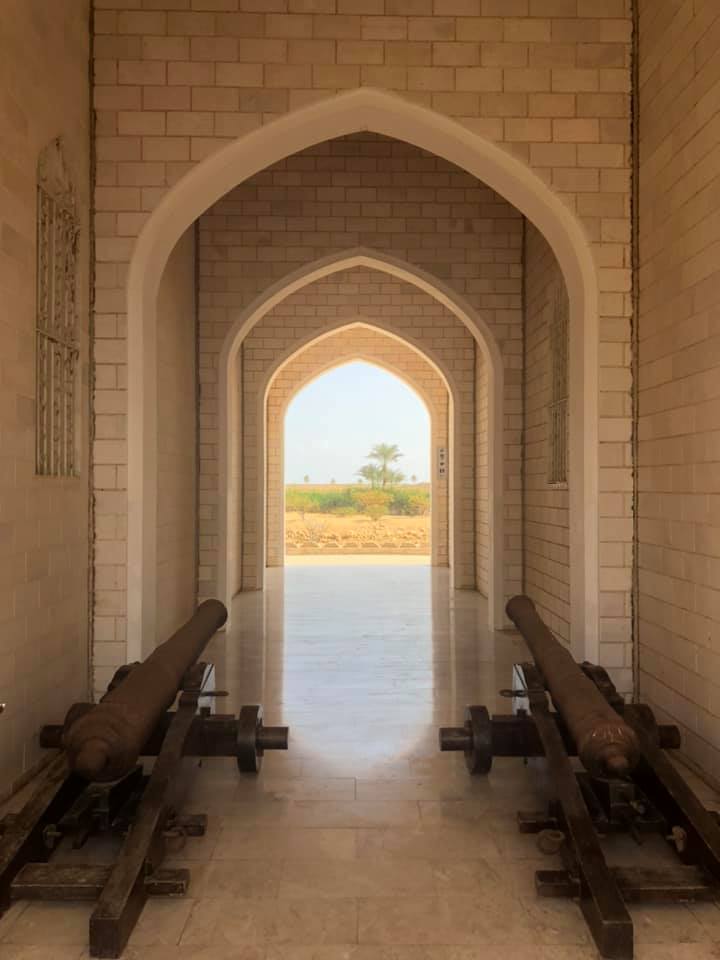
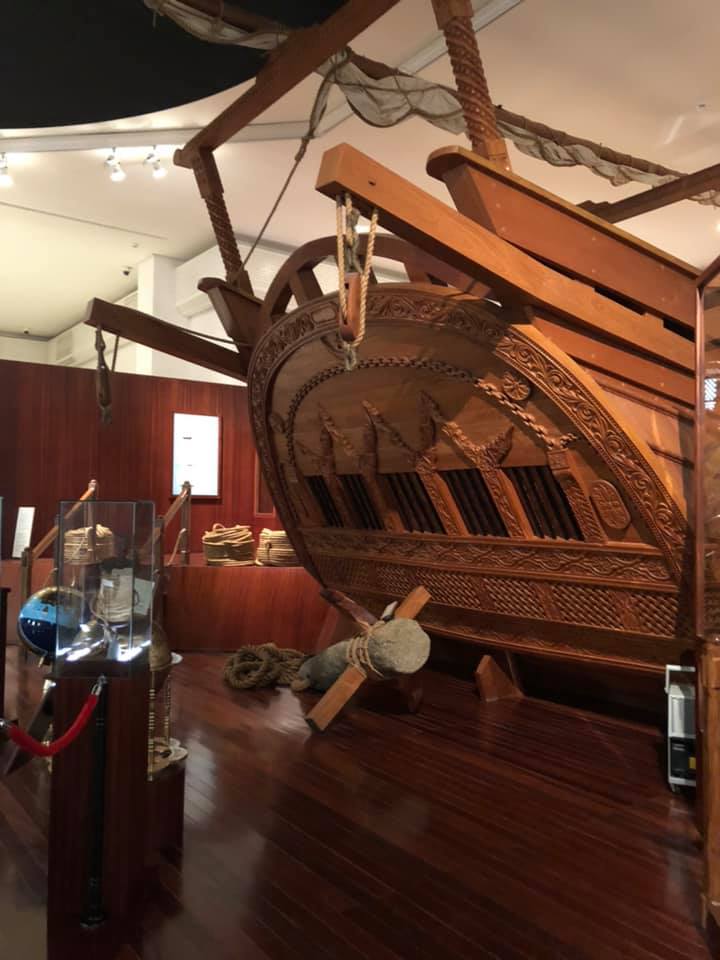
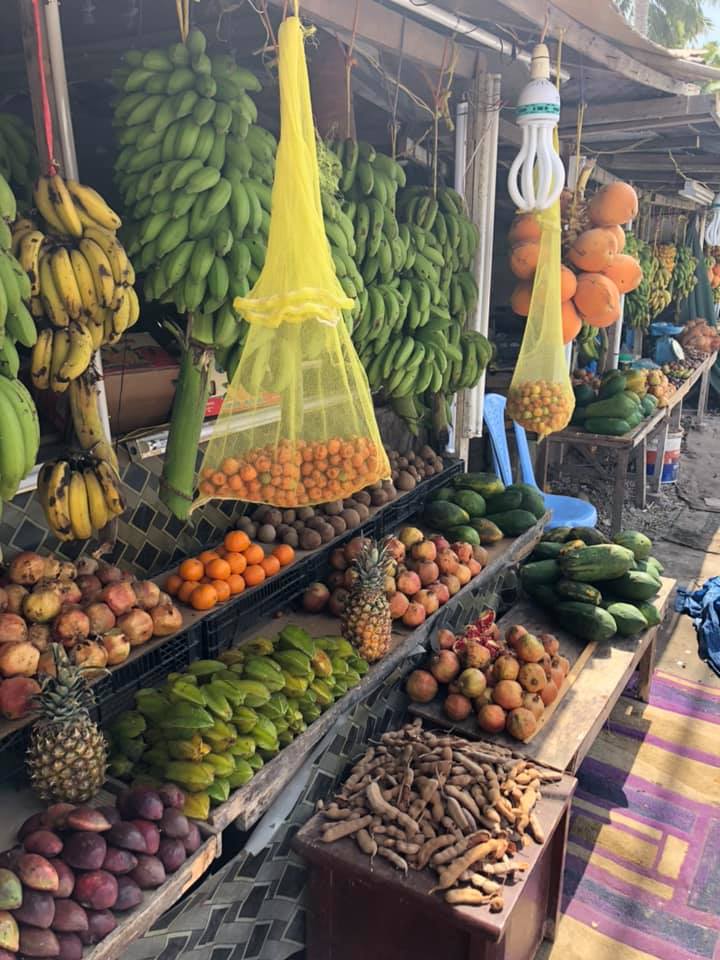
From Taqah beach I headed back towards Salalah, my next stop was The museum of frankincense. Here you will kill two birds with one stone. Next to the museum is the Al Baleed Archeological Site. This UNSECO world heritage site is a must see place. Here you will find the ruins of an ancient commercial port city. The museum itself is probably one of the better ones you will find in Oman. You will find a lot of information and artefacts on how frankincense was shipped out of Oman. In close proximity to the museum are lots of banana plantations, and Haffa beach. You can stop by the roadside and buy locally grown fruit from stalls or try fresh coconut water straight from a coconut.
Day 2 – Mughsail beach and Marneef Cave
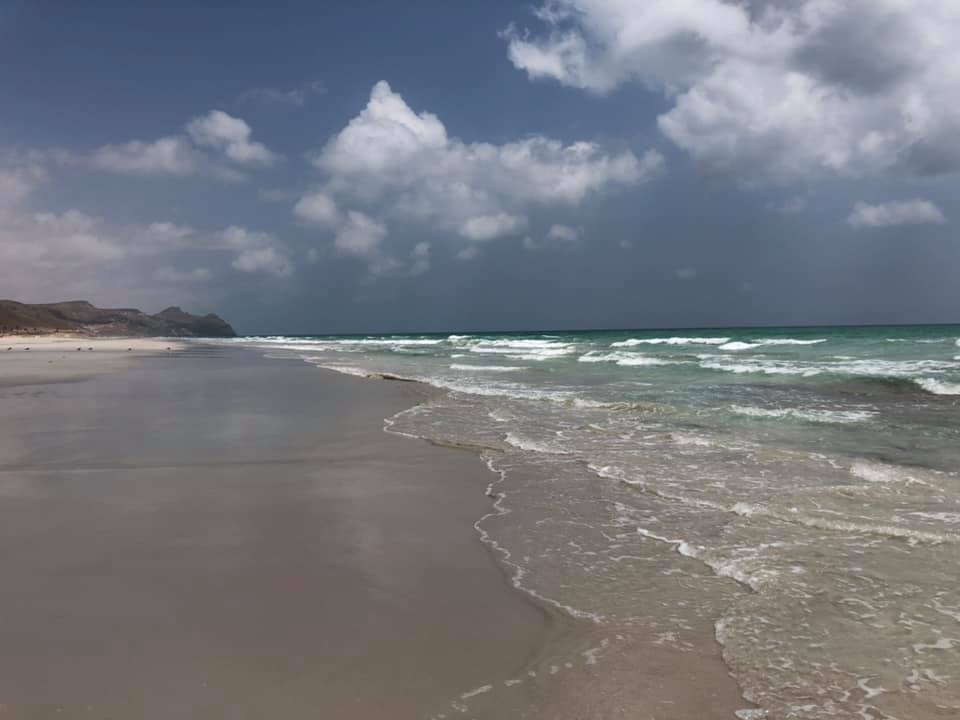
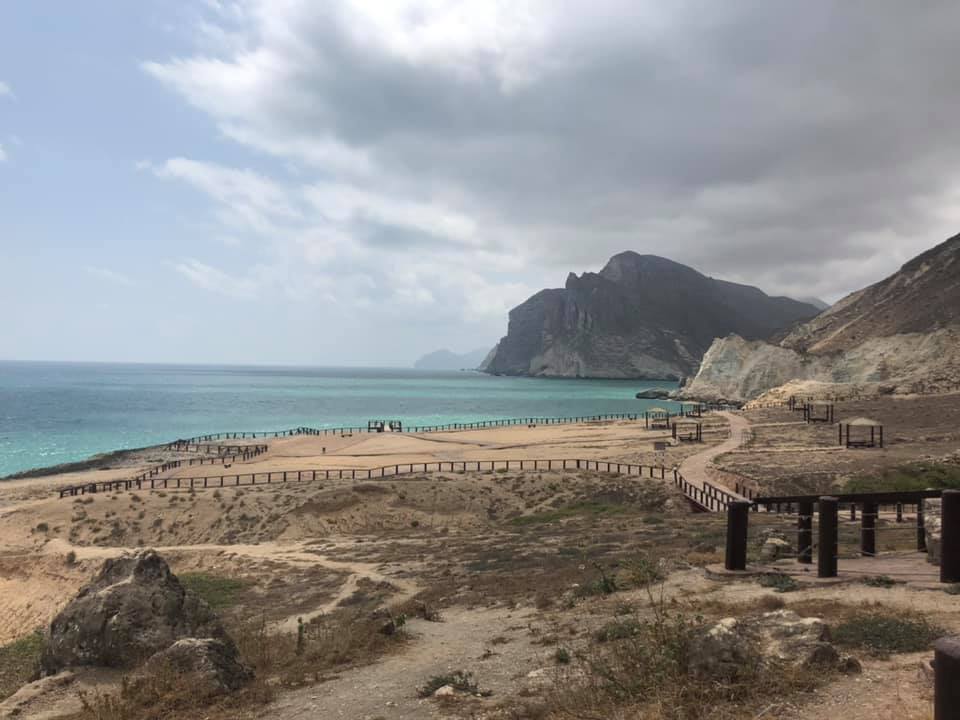
I decided to venture out to the west of Salalah. 50 km west and you will find Mughsail beach. The drive to this beach is easy enough, straight on a main road with no traffic. Once you are near the beach, it kind of just springs out at you as a beautiful surprise. Now March is not peak season unlike Khareef season from June to August. But if you want to spend time on a beautiful beach, with white sand and crystal clear water without many people around, then this is the place for you.
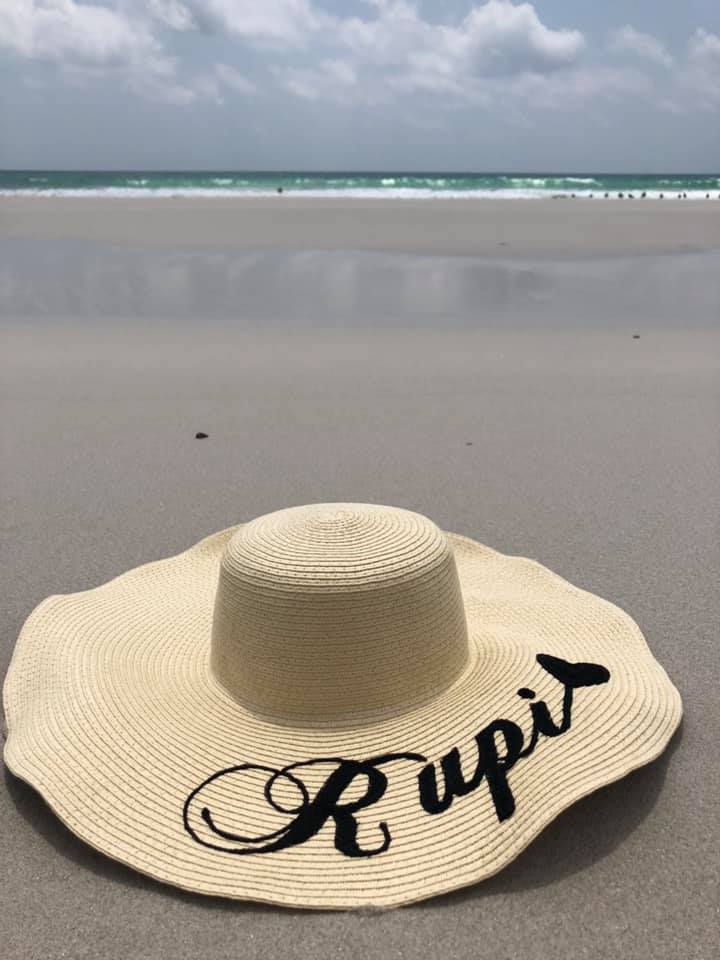
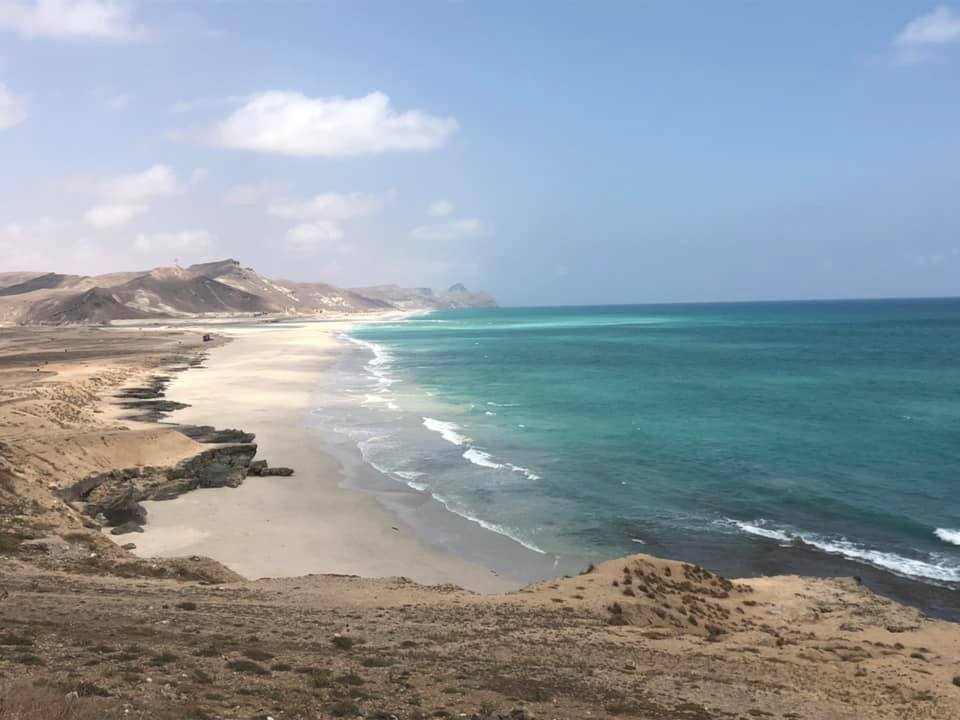
I arrived about midday and there was only one other car in the carpark and a couple far in the distance on the beach. I was told this beach gets busy but I suppose that is on the weekends and in peak season, I was lucky enough to have the whole beach to almost myself. You could easily spend hours here walking in the clear water, sunbathing or enjoying a picnic.
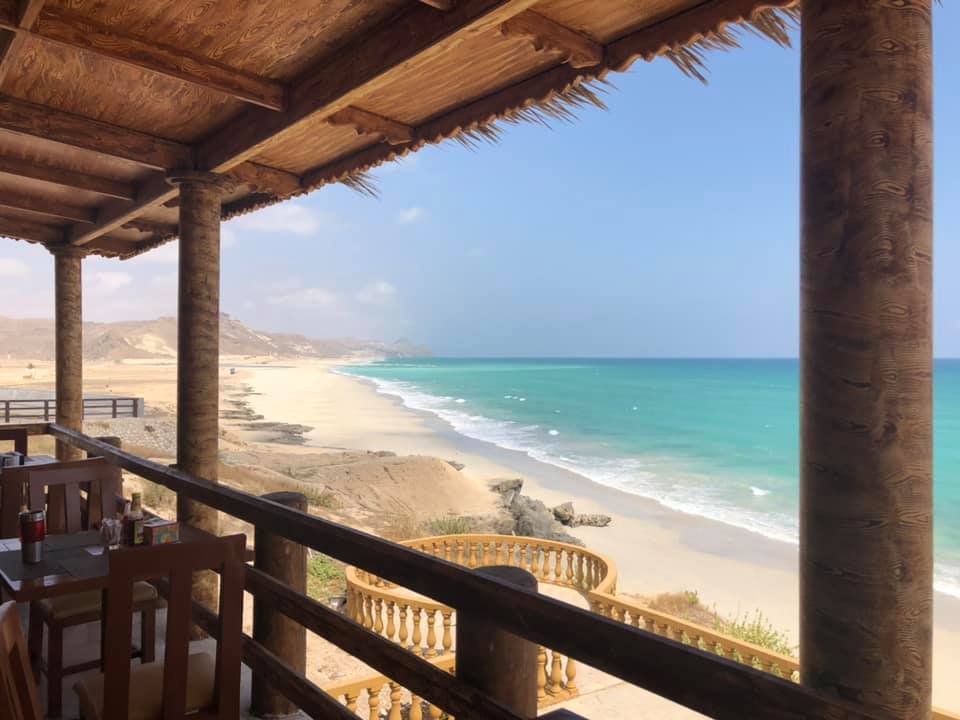
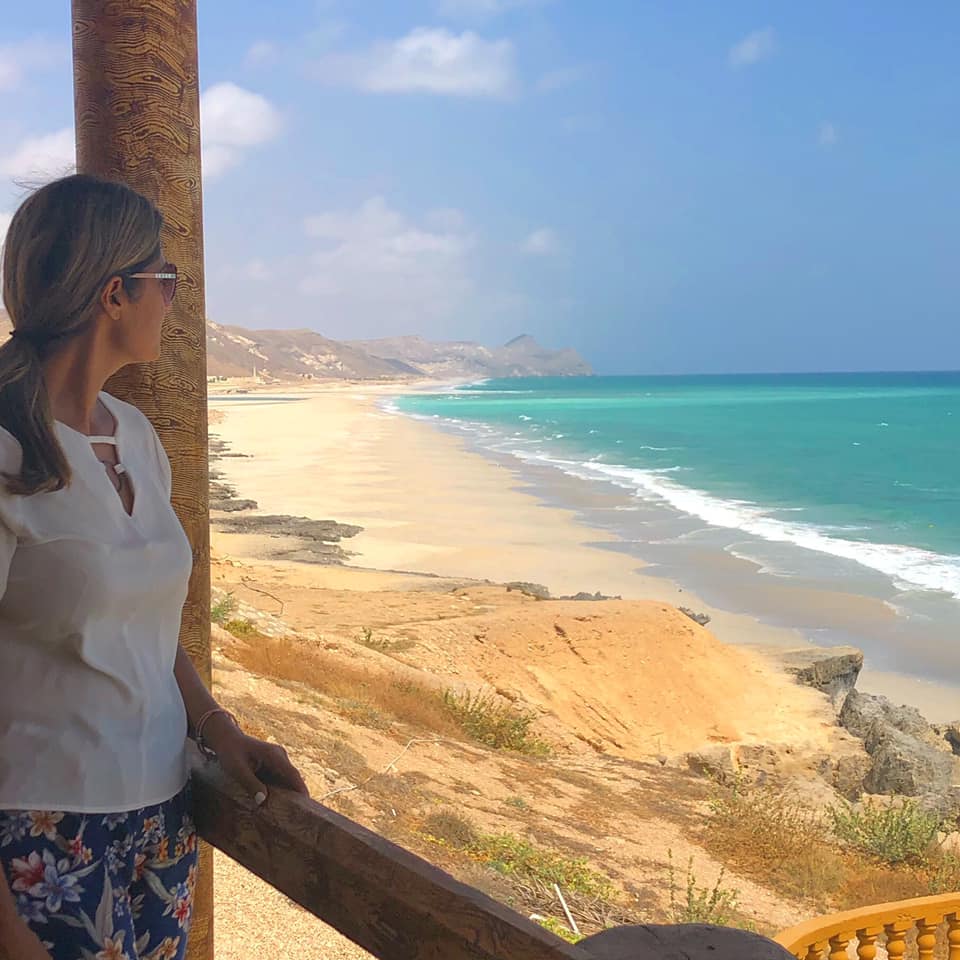
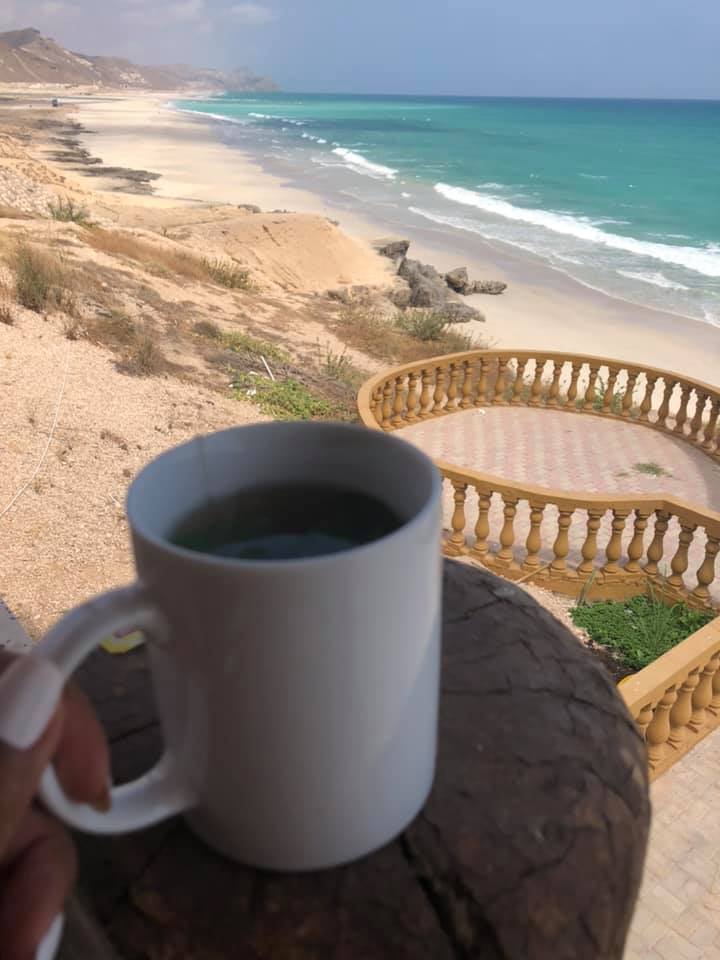
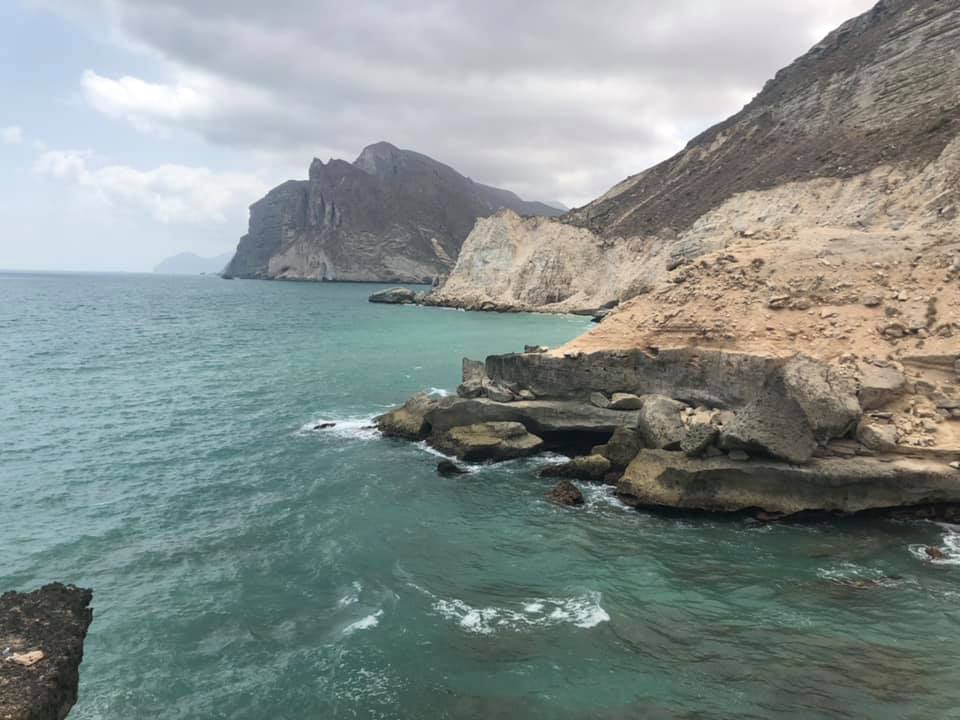
Drive another 1km and you will arrive at Marneef cave. Again only a few people were around enjoying the view. The cave in fact is not a cave but more of a carving in rocks formed through erosion over time, nevertheless it’s quite a spectacle site. During monsoon season there are also blow holes, where water from the sea blows out of holes in the ground. There is a lovely coffee shop with breathtaking views of Mughsail beach and Marneef cave, I would recommend getting a cup of tea or coffee, sitting down and taking in the view.
Day 3: Wadi Darbat and Khor Rori
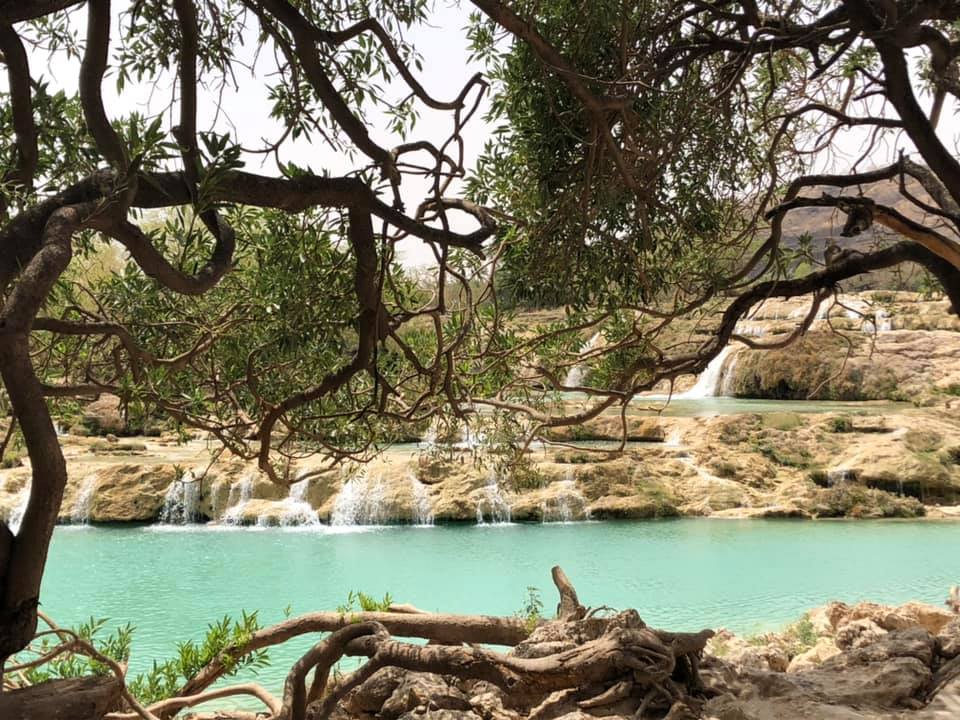
Back on the road, this time 50 kms west of Salalah to Wadi Darbat. If you are short of time you can go here at the same time as visiting Taqah, but it will be a bit of a rush getting everything in. Wadi Darbat is spread out over many kms at least, during Khareef season the drive down would be full of greenery all around. I drove a normal saloon car, no need for a 4X4 as a flat road will take you straight there. There are many places for you to stop and go exploring or hiking. You will notice some of the waterfalls from the road and there are lot of places for you to park. My first stop was at the well known collection of small waterfalls.
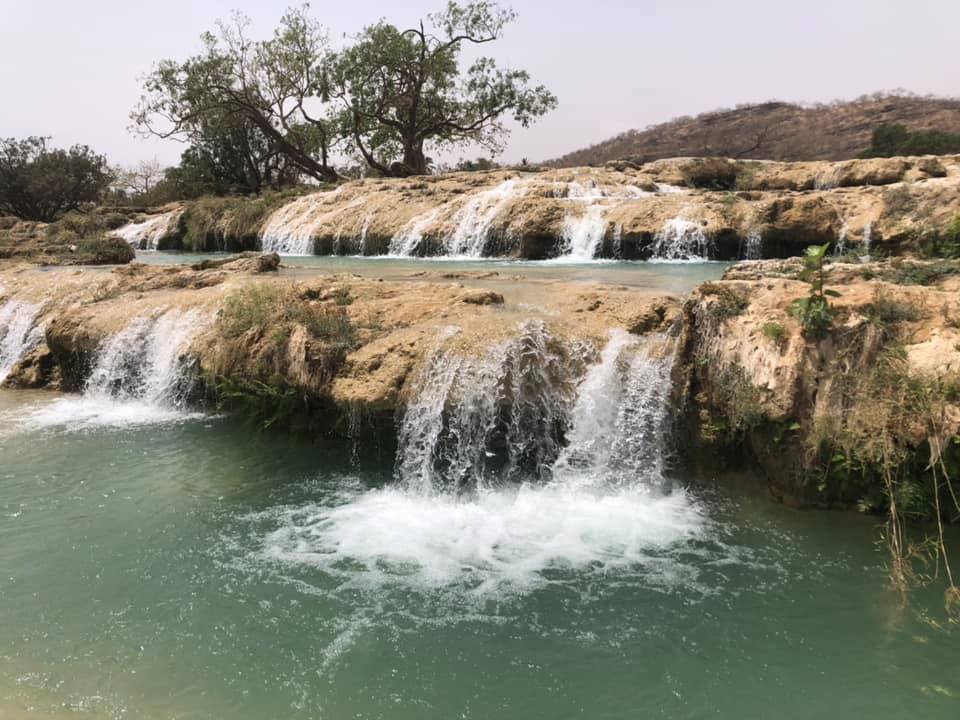
Again I was the first person to arrive here (apart from a sleeping fruit seller). Due to it being dry season I was able to walk all the way up the waterfalls and get very close, this would not be possible during khareef season as most of the walking stones would be underwater. Walk with caution as you could easily slip. I was surprised at the amount of tropical fish in the clear blue water.

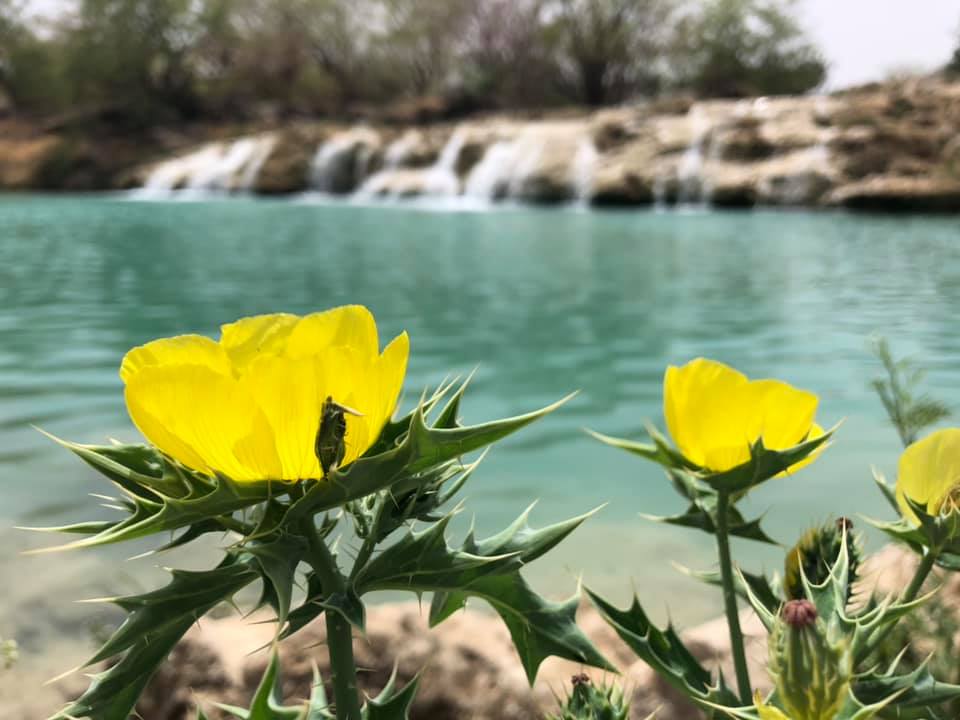
By the time I got back to my car, the place was getting busy with other tourists. I drove down to the lake (about 2kms drive). There wasn’t much to see during this season but I’ve been told it gets packed during the summer by people wanting to go boating.
As I drove back I noticed a couple park up their car and head towards some camels sitting on an island in the middle of a wadi and I thought what a great photo opportunity. So I also parked up next to the them and headed towards the camels. Once I got there I realised it wasn’t the camels the couple were interested in. Just ahead I could hear the water from the wadis falling over the edge to create a waterfall. I decide to explore and am so glad I did. It was a bit of a hike but well worth the view, the water from the small waterfalls was creating a giant waterfall over the edge of the mountain. Again I was only able to see this from above because a lot of the water was dried up in the wadi, enabling me to walk over to the edge.

Sometimes it’s a good idea to just follow other explorers, you never know what great sites they might lead you to.
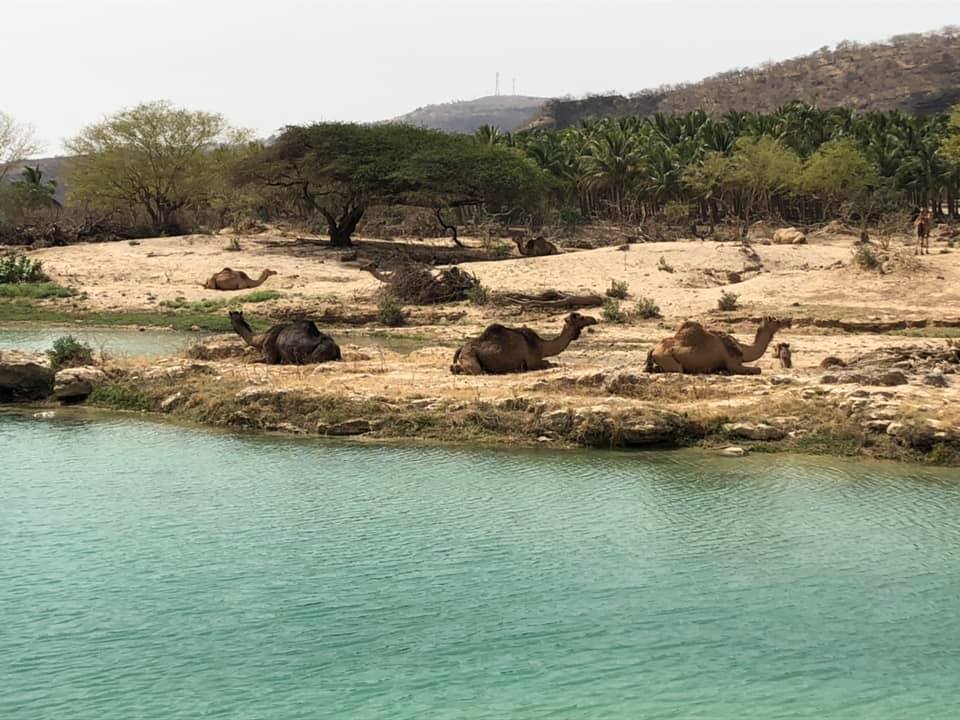
Camels relaxing on an island in a wadi
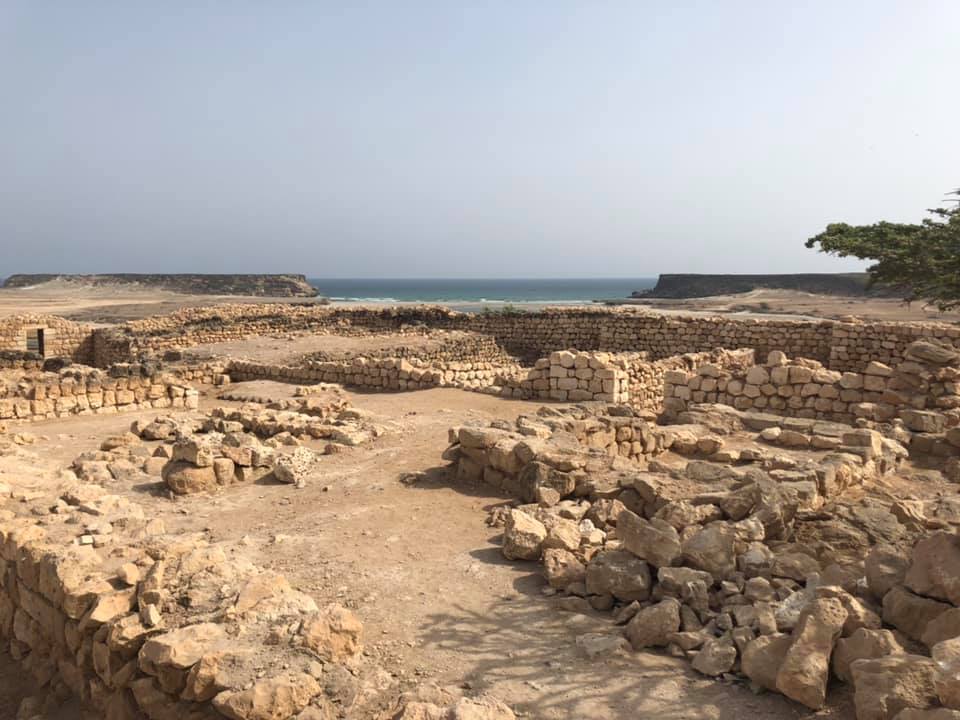
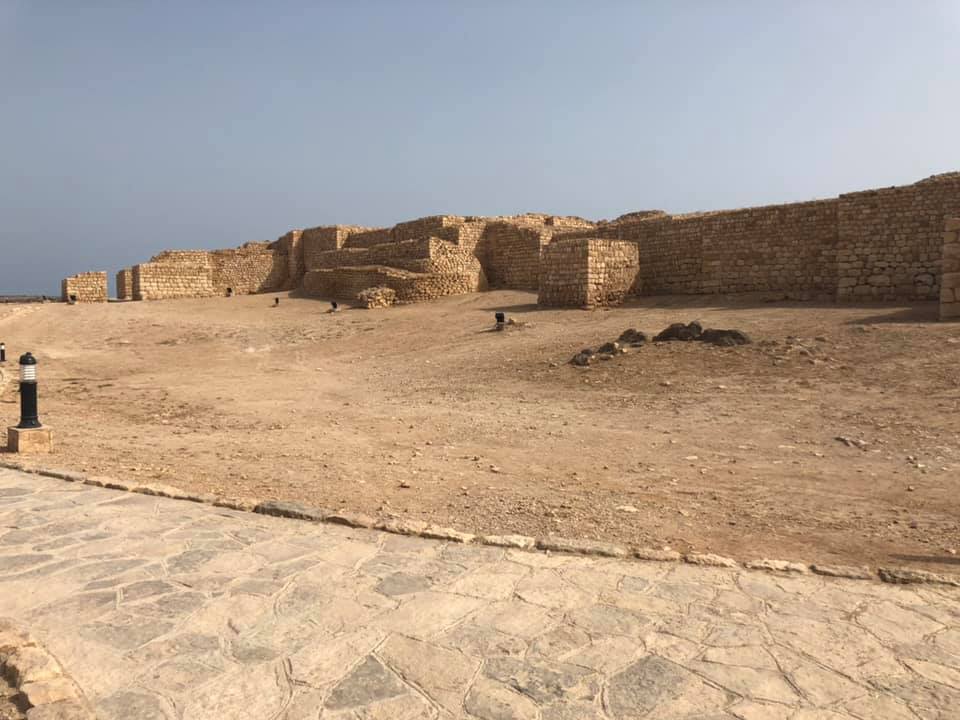
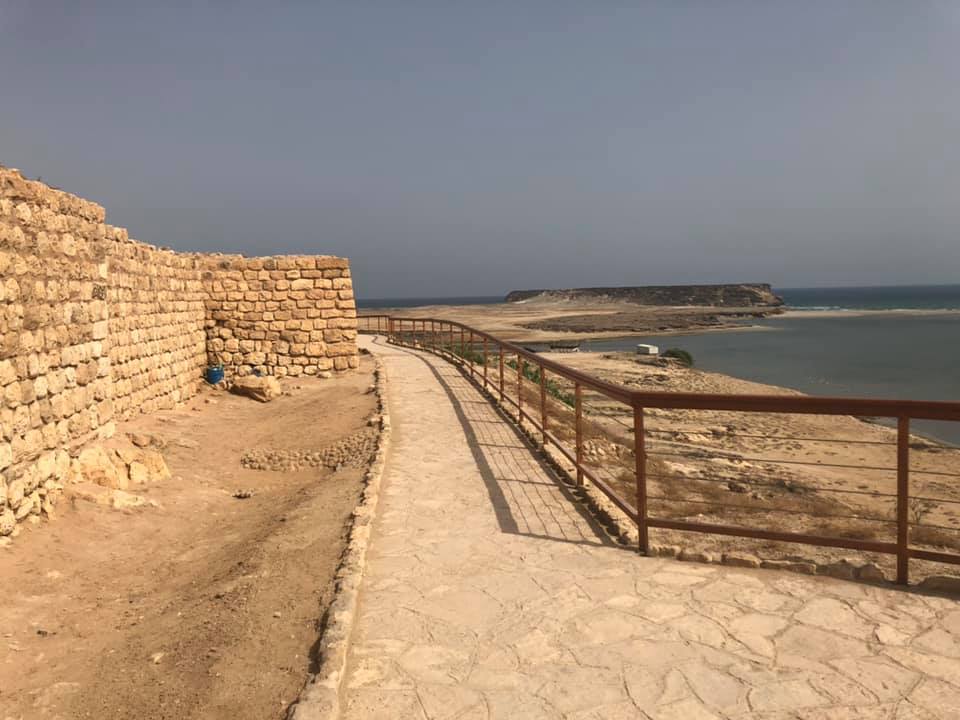
Back in the car, next stop was Khor Rori archaeological site, which was about 10 km from Wadi Darbat. As you drive towards this place you can see the ruins of this ancient city in the distance, situated on a hill and overlooking the Arabian sea. The road will take you straight to the entrance gates and the entrance fee is 2 rials per car. There is a small visitors centre giving you information about the site next to the car park. The ancient site of Sumhuram dates back to 3rd century BC – 5th Century AD, built in the area of Khor Rori. It is the most important pre-Islamic settlement in the Dhofar region and in the center of frankincense production area. You don’t need to spend long here but it’s definitely worth a visit.
A bit more information about Salalah:
- Between 3 to 4 days is enough in Salalah. There were quite a few places that I didn’t visit that are highly recommended:
- Fazayah Beach – About 8 km west of Mughsail beach. Also known as the secret beach for it’s flawless sand and turquoise water.
- Ayn Khor , spectacular waterfall, but you need a 4×4 to get there.
- There are quite a few nice beach hotels in Salalah, but most of them are isolated. If you are on a budget, there are cheaper hotels but beware of the locations, might not be so tourist friendly.
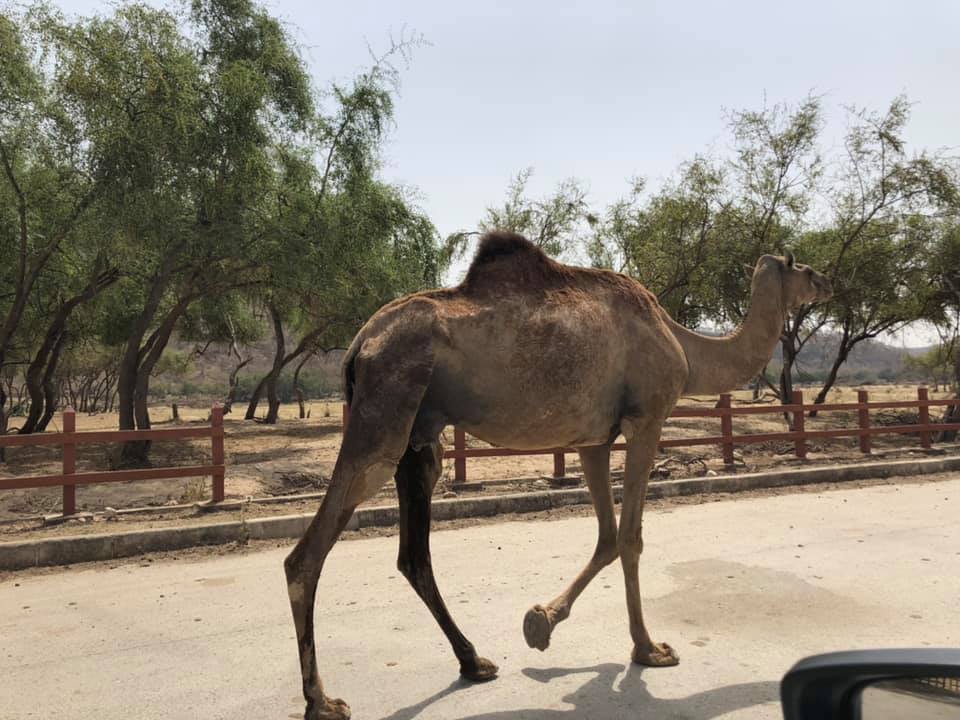
Finally if you love camels, Salalah is the place for you! Camels on roadsides, in the mountains, in the wadis, on the beaches, everywhere………
 Prints and Stamps