If you are searching for something a little different to do in the UAE, then this hiking trail up Jebel Jais (highest mountain in the UAE) might just be the perfect change from brunches and pool days…..
Starting point….
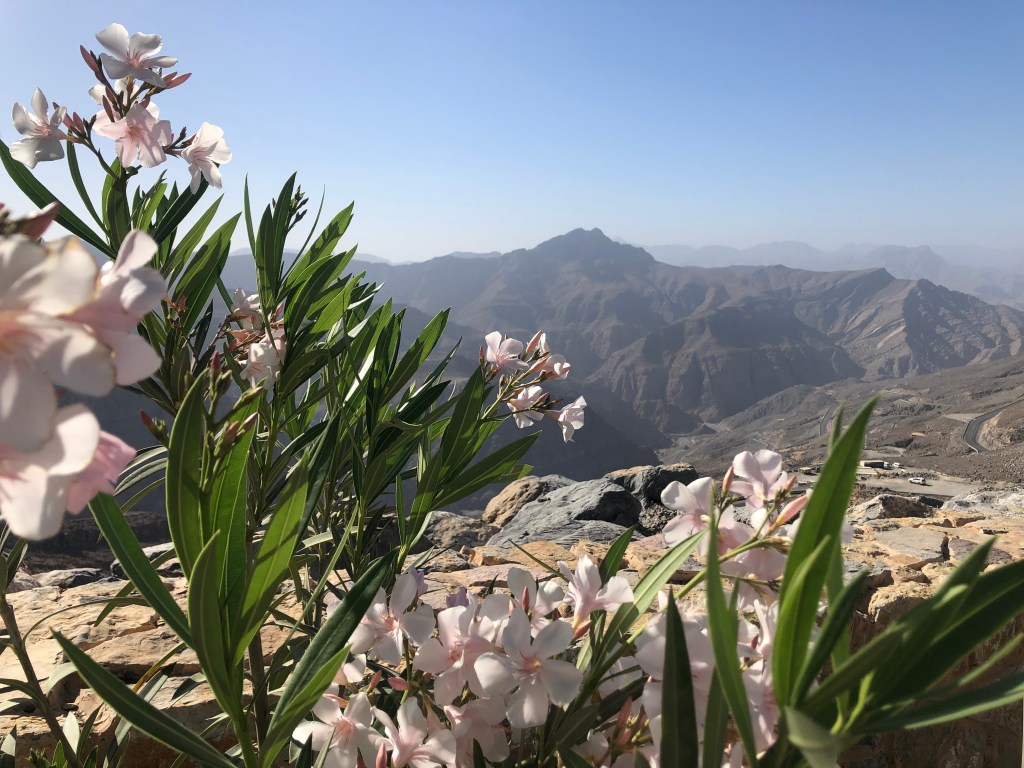
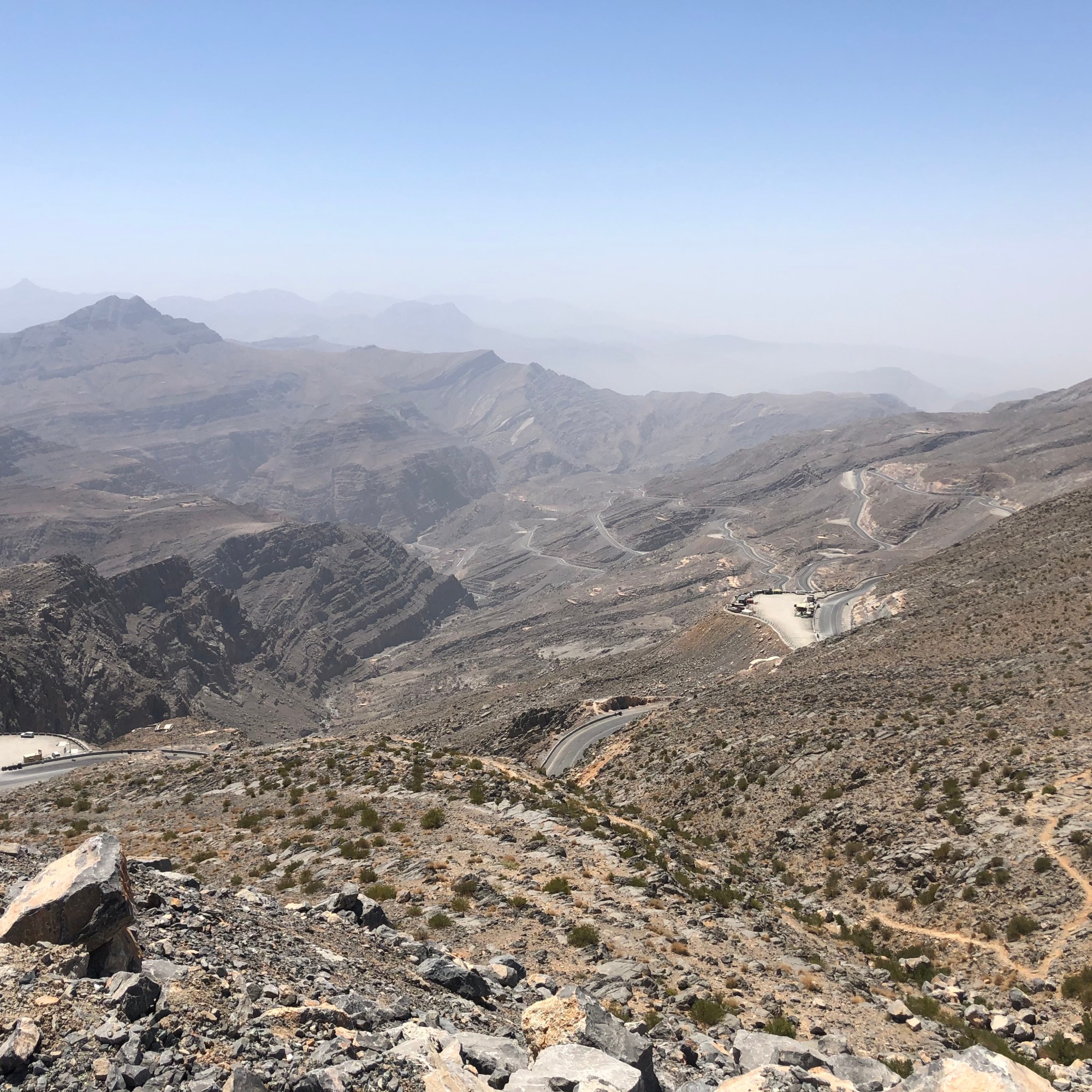
I started from the old city area in Ras Al Khaimah and the hike starting point was 1 hour drive away. I reached the viewing deck area around 8.30am, where I parked my car for 5 dirhams. Although it was the 1st of April, it did not feel too warm and there was a cool breeze. The view from the deck was stunning and there were also food and coffee vans as well as restrooms, you might want to use these before you start the hike.
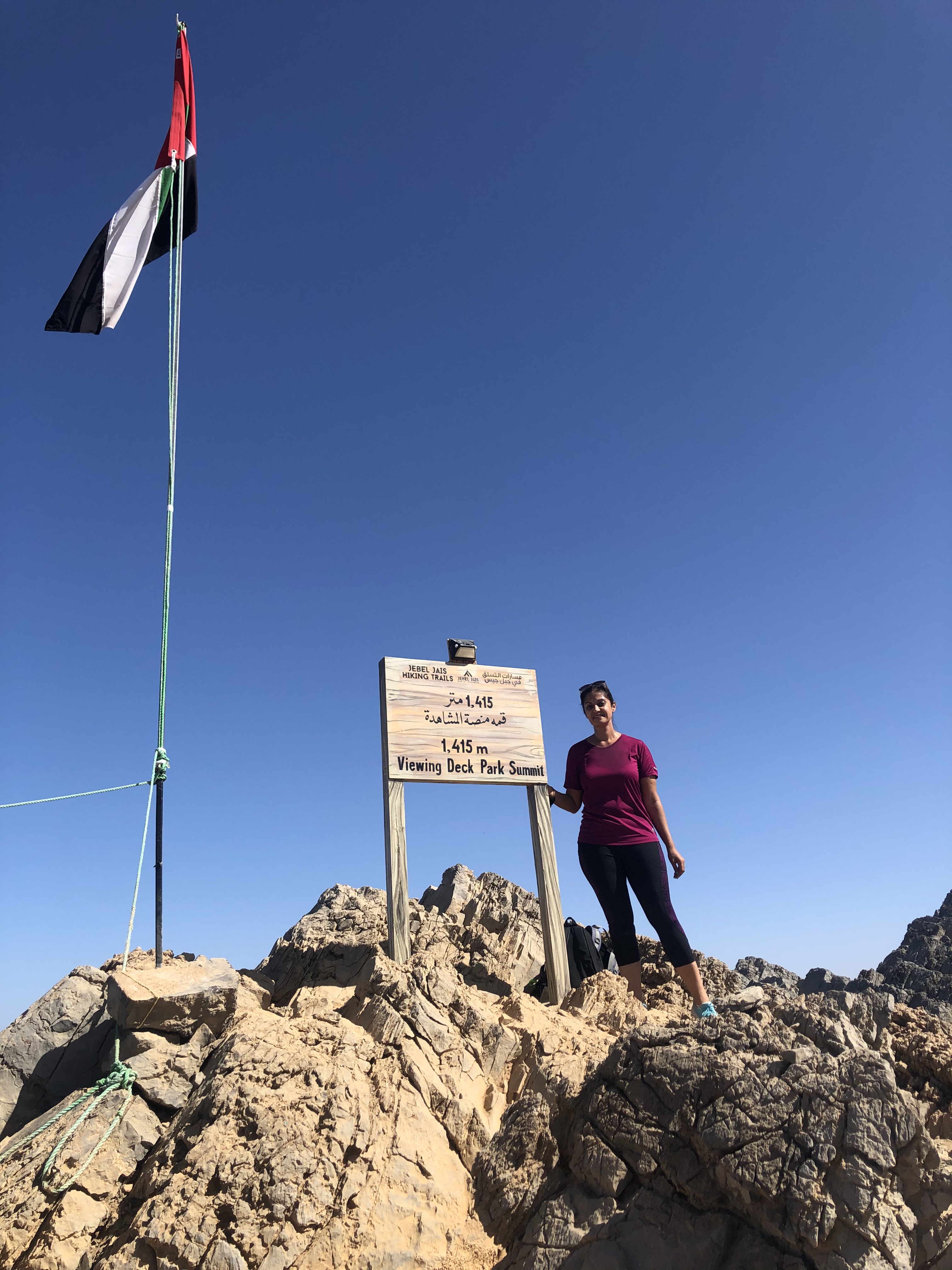
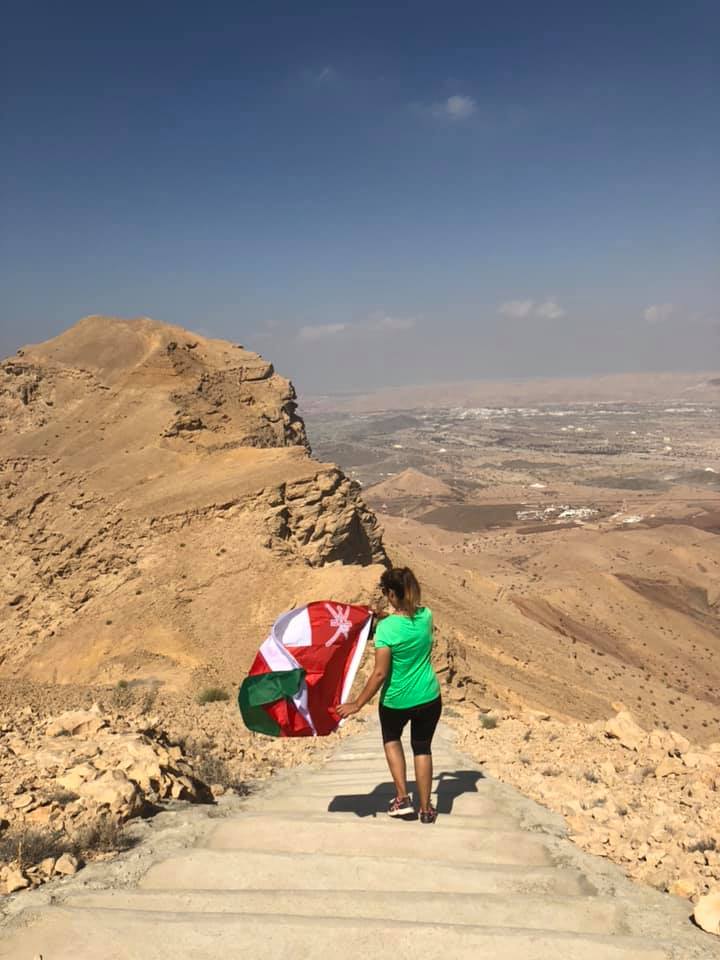
The hike starts next to a sign posted map, which directs you towards the various routes. The end of the first part of the hike is marked with the U.A.E flag and a wooden board (viewing deck park summit). It will take you between 25 to 30 minutes to reach this point and this part is mainly uphill, so be prepared. A lot of people only do this hike to that point and return back to the viewing deck, this is a good option if you are looking for a short/ moderate hike. At this point you will see a wooden post with a blue arrow directing you towards the Ghaf hike trail.
On to the next part….
From this point the route will become slightly less challenging and on your right hand side you can enjoy the view of the clouds lingering above the town below. Once you reach a shelter (similar to a bus stop) the route will split and I had a bit of a rest here. There will be a wooden post directing you towards the connection route, which will take you back to the viewing deck. Behind the shelter you will notice a painted flag on a rock, its white and red with a yellow square on the top right hand corner. Keep following this flag for the route to the Ghaf summit. You will notice there are a lot of man made steps along the way to make it easier to follow the path but still be aware of loose stones and place your feet carefully. Depending on the time of the day you decide to go for the hike, you might hear shouting and screaming as you get closer to the summit, this will be coming from the people who are zip lining the world’s longest zip line, which is in close proximity to the Ghaf summit.
The Final Stretch….
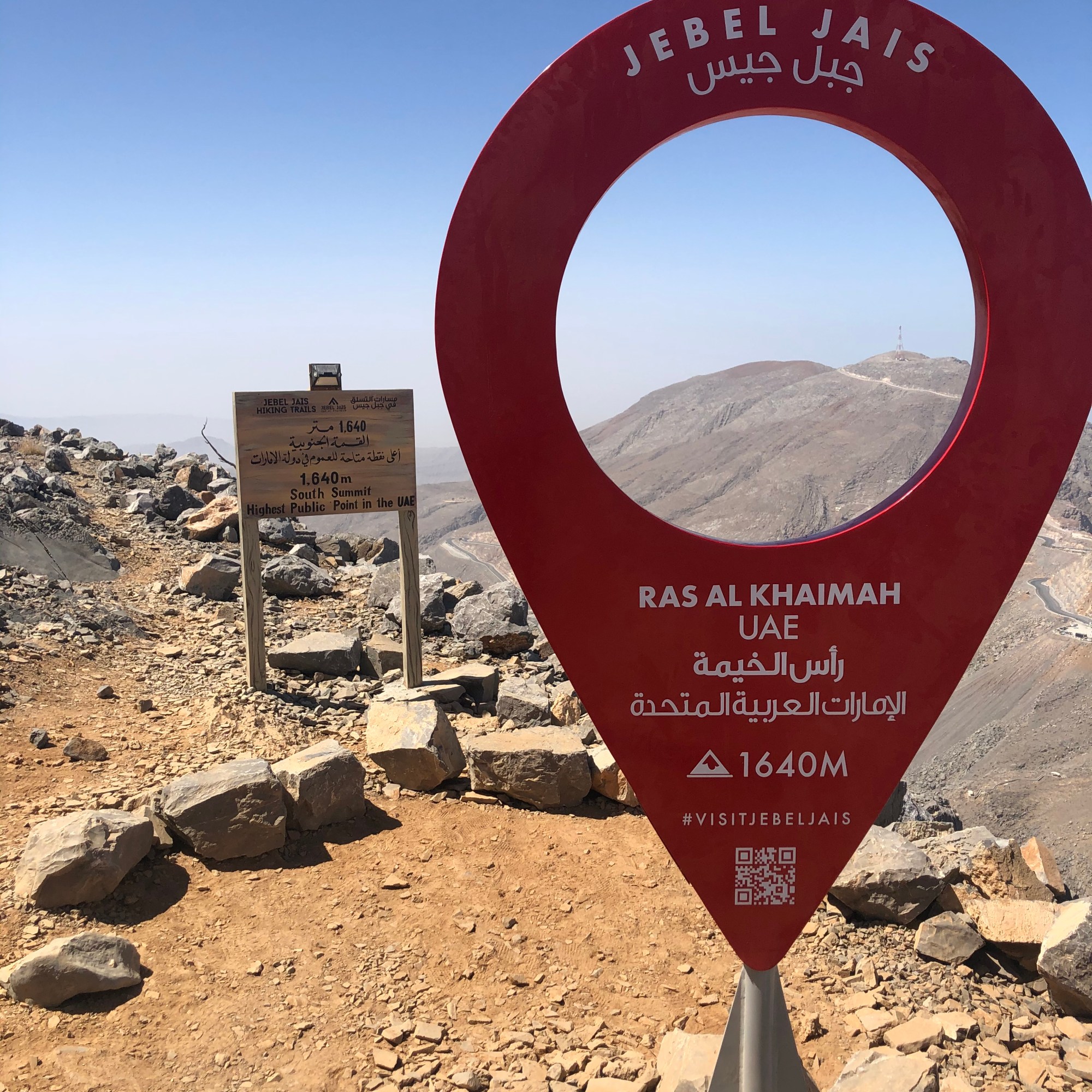
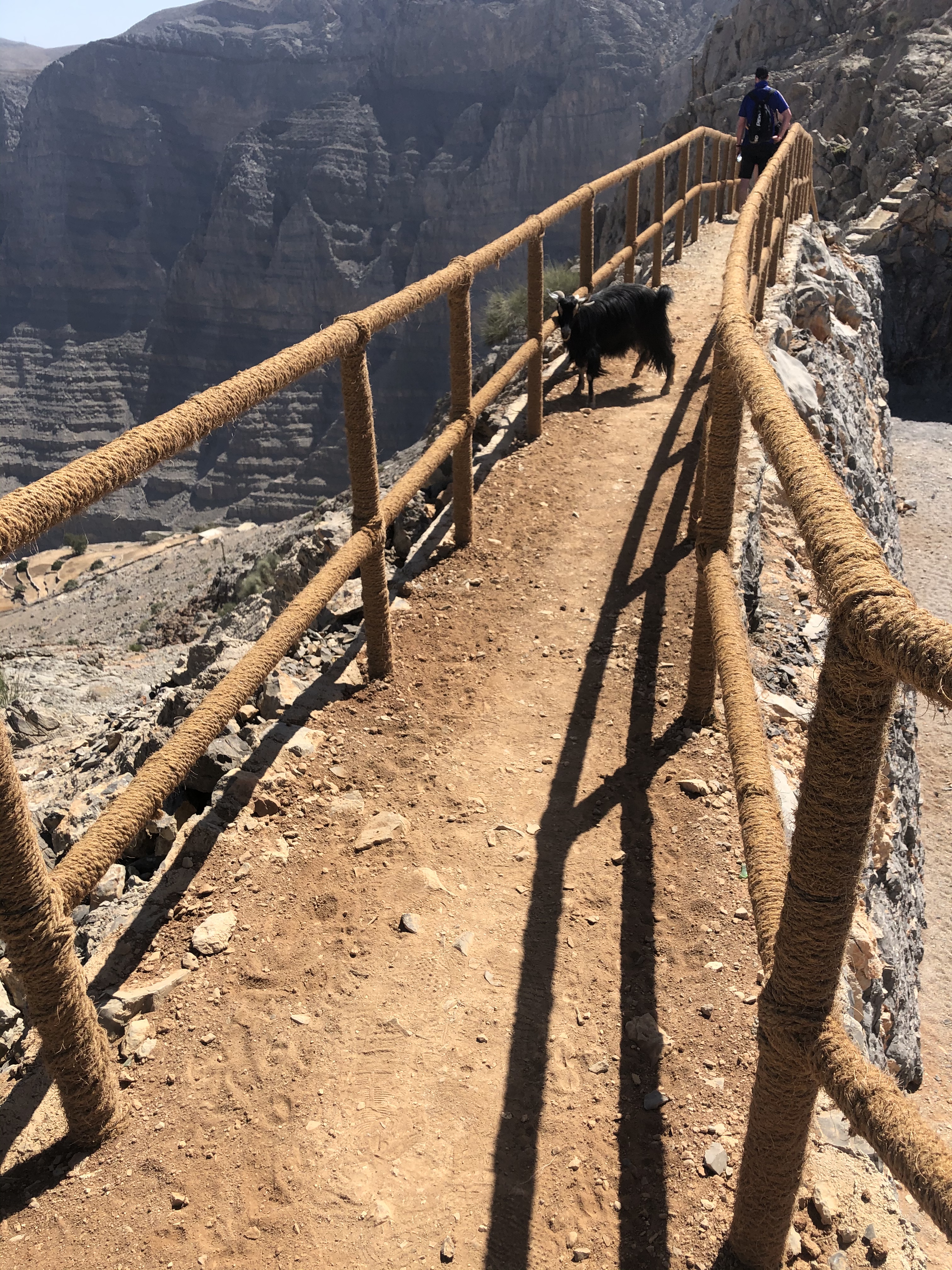
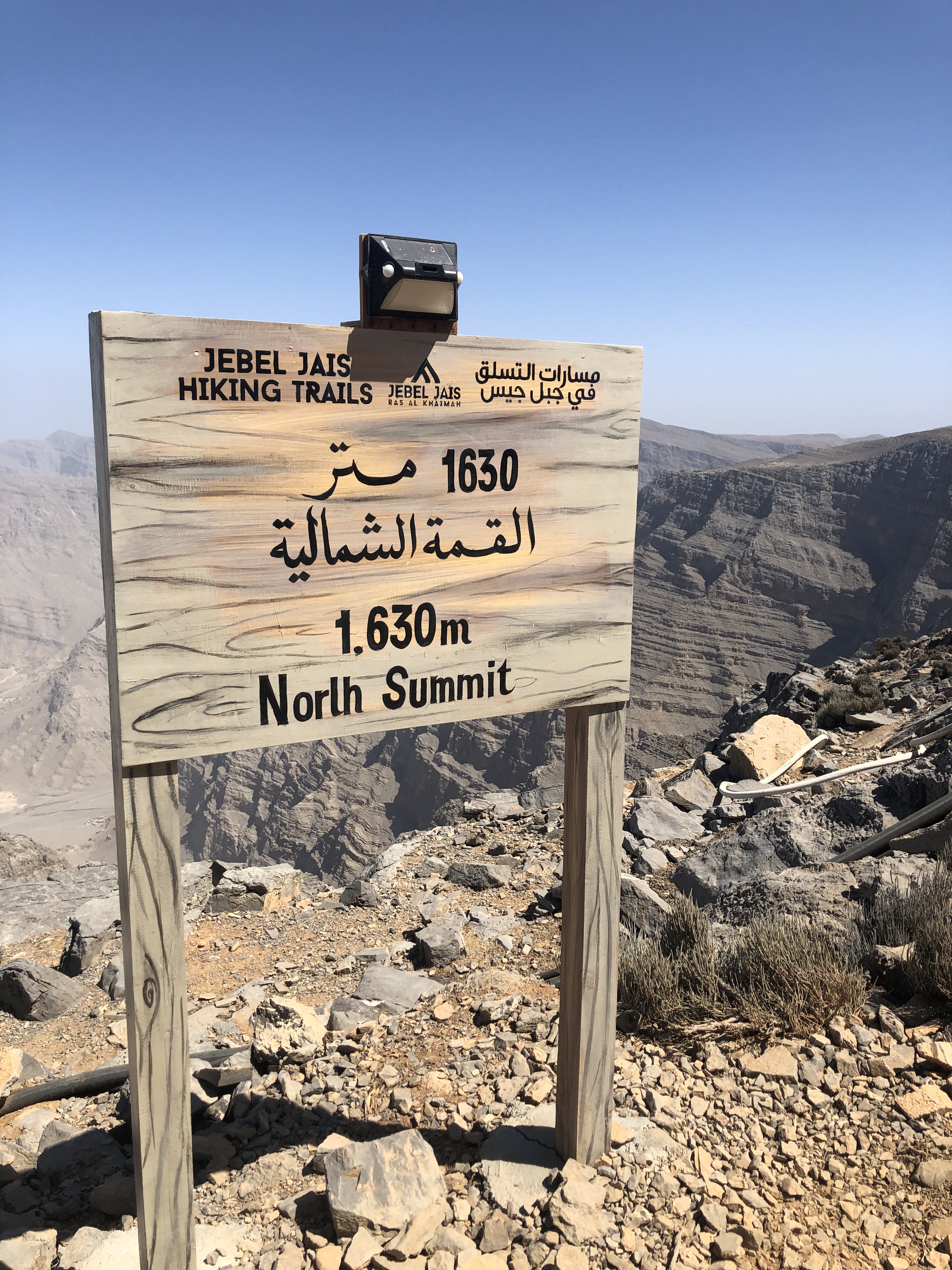
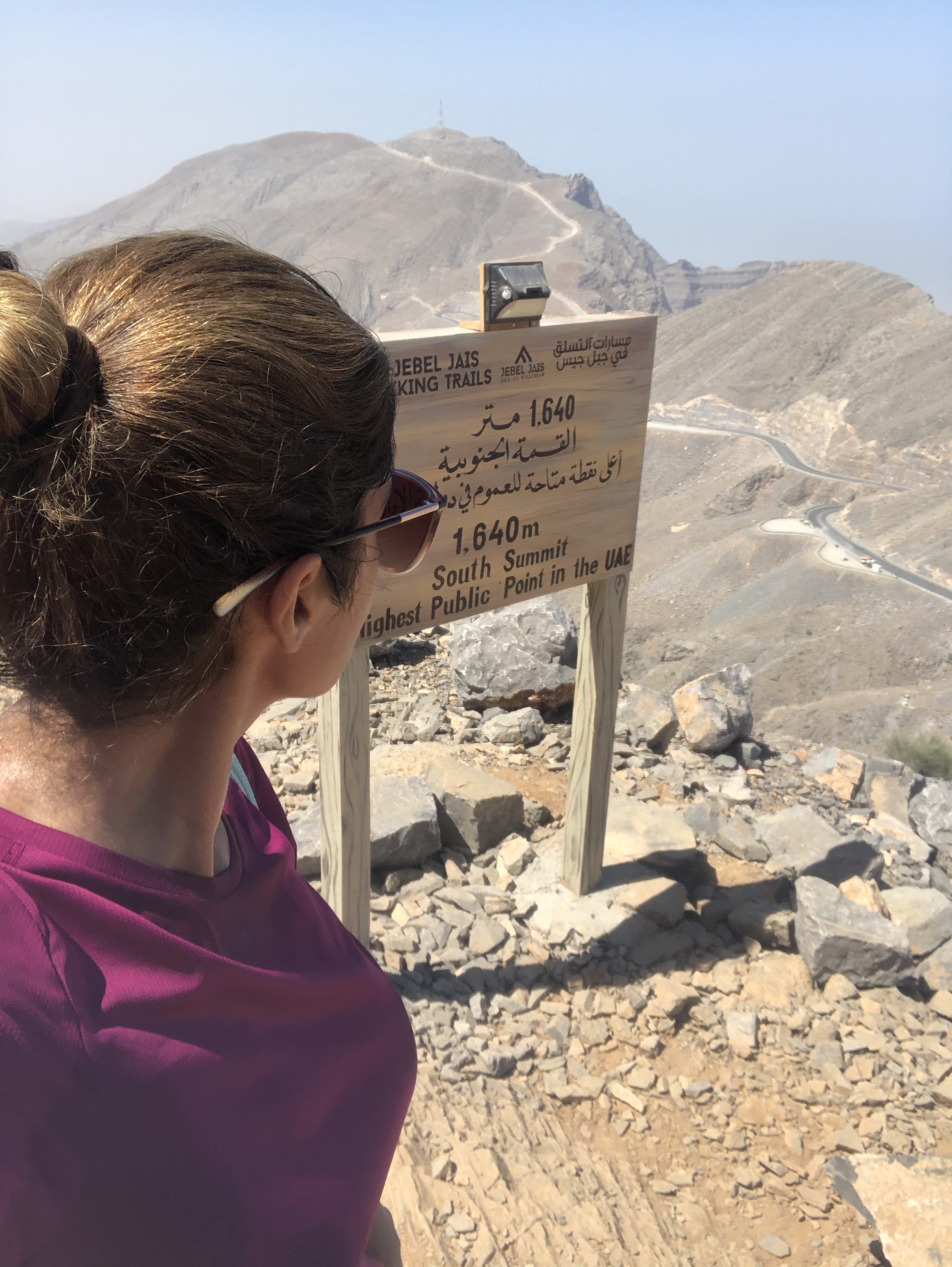
About 3.5km into the hike you will come to a bridge and I was lucky enough to share this with a real Billy Goat Gruff (maybe the hike should have been called the Gruff summit haha!). After crossing the bridge you will be very close to the road, from here it’s an uphill final stretch to the summit. Although it is slightly challenging from this point, the distance is quite short and it shouldn’t take that long to reach the highest public point in the UAE. There is a wooden post that marks the South Summit with meters above sea level. Just around the corner is another wooden post to mark the North Summit. I had a bit of a rest after reaching the summit and enjoyed a well deserved can of coke and some fruit. It is a very satisfying feeling reaching the highest public point in the UAE.
Now, on the way back you might look at the road, (which is actually closed to the public and only used to transport people to the start point of the zip line), and think it will be easier to walk back to the viewing deck carpark on the road. Just to make it clear, you can do this, but it will take you a lot longer as the road winds around the mountain and doesn’t go straight down.
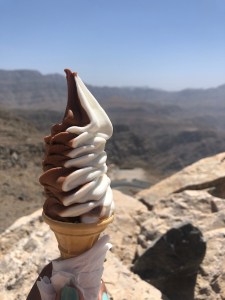
Once back at the viewing deck I enjoyed a much needed delicious ice cream from one of the vans in the carpark before heading back.
Practical Information:
You will need to take with you water, water and more water.
Wear hiking boots or a good pair of trainers.
The speed limit is only 40km on the road leading up to the starting point, so leave with plenty of time from your destination.
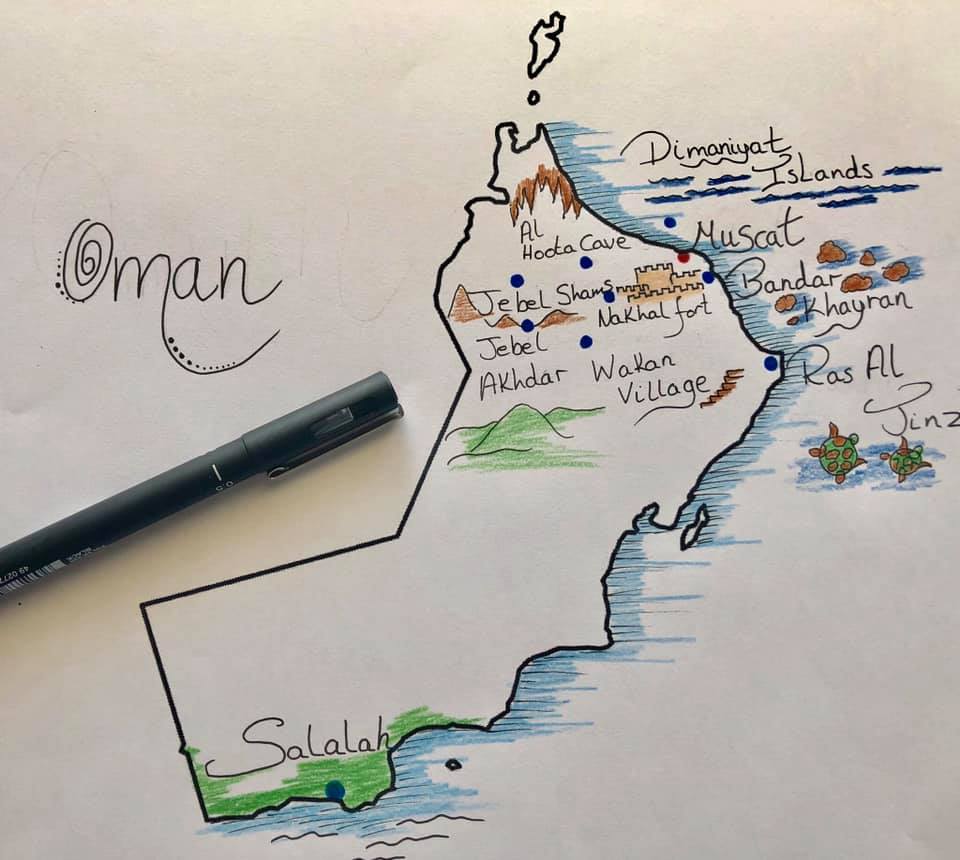
Oman has a lot to offer and there is a variety of activities to do and places to visit, but unless you have lived in Oman for a while you will not have heard of many of the places I am going to mention in this blog. Below is a list of 10 must do things in Oman (according to me). Tourists tend to visit Wadi Shab, the sinkhole and the Mutrah area; surprisingly none of these make an appearance in my list. Below are some of the most unique and spectacular places you will ever see on your travels.
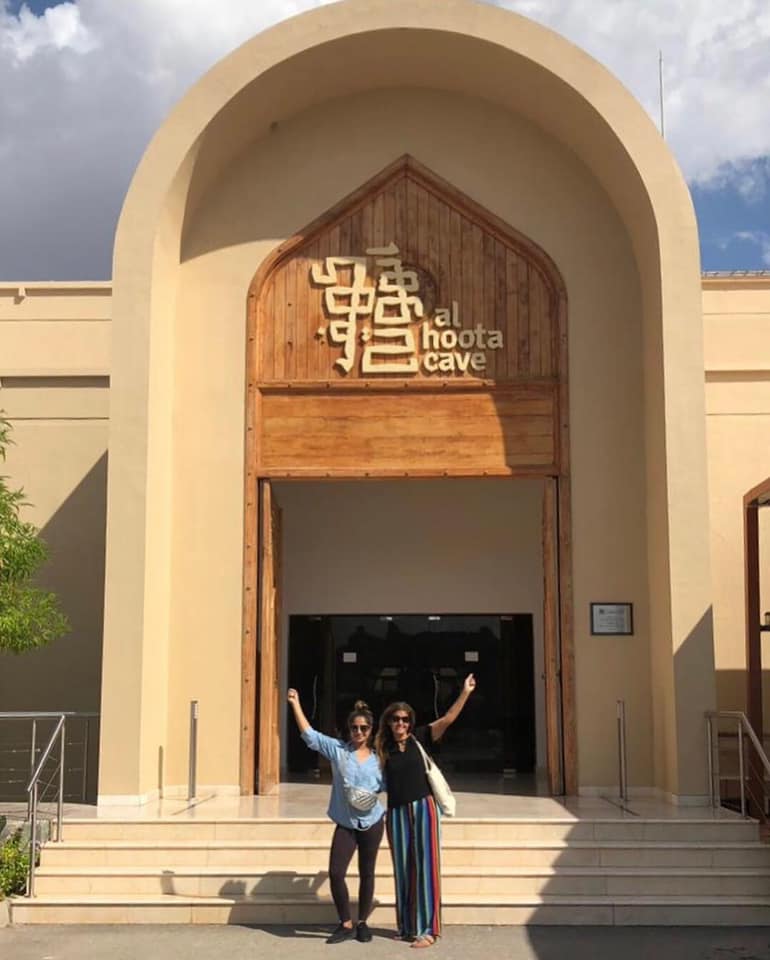
Al Hoota Cave
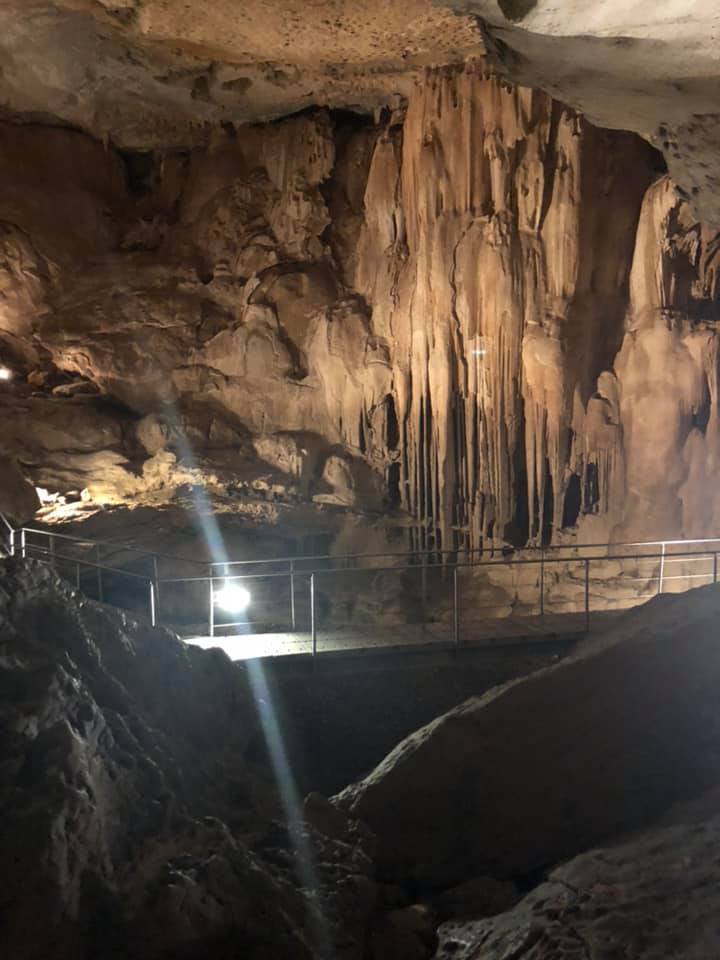
Al Hoota cave is truly one of Oman’s hidden treasures. It is probably the most understated place in the Sultanate, hence why it is not well known by tourists. For some unknown reason Al Hoota cave is not well advertised and when researching information on places to visit in Oman, you would be lucky if you come across it on any website. The irony in this is that it is probably one of the most tourist and child-friendly places to visit in Oman.
2 hours drive out of Muscat will take you straight to the cave, it is well sign posted and an easy drive.
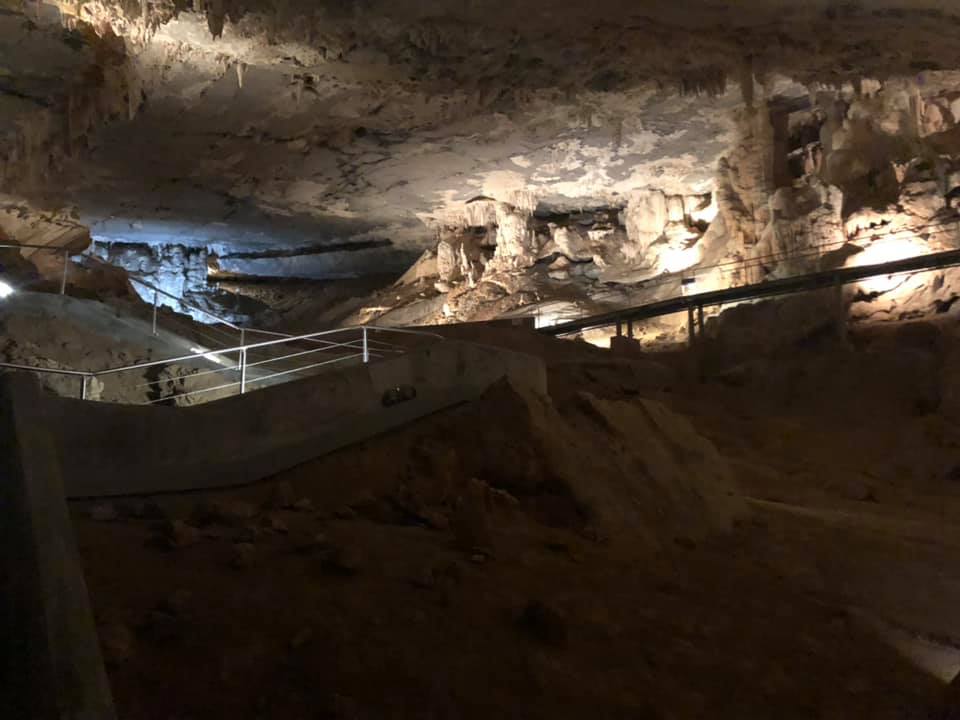
Al Hoota cave is estimated to be 2 million years old and is the 2nd longest cave in the Middle East, second only to the well known Jeita Grotto in Lebanon. It is 5 km long but only 500 meters is accessible to the general public.
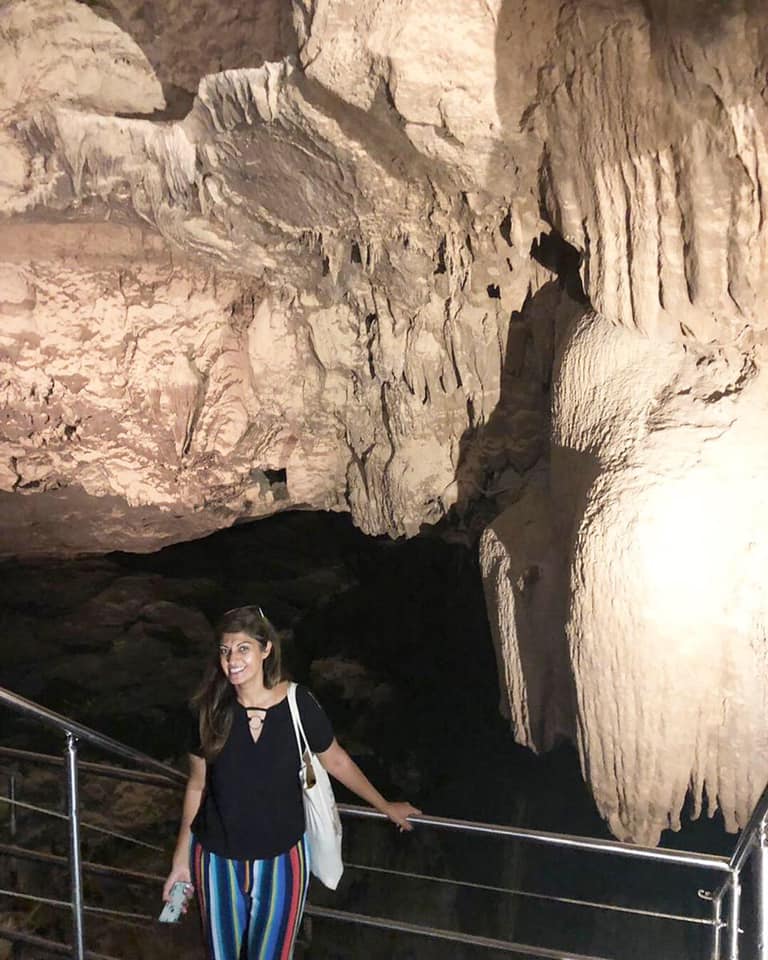
When you arrive there is a main reception area to collect tickets, next to which is a gift shop, coffee shop and a museum showcasing the rocks and ecosystem found inside the cave. You will be taken to the cave via train and have a local guide give you a tour and brief you on the history. This cave has taken over 2 million years to form, by the dissolution of limestone by acidic water that has created stalagmites and stalactites. It’s the only place to home Omani blind fish (yup they have no eyes), can be seen in the museum. This place really is an underground wonderland and I highly recommend a visit.
Book tickets in advance online as there is a limited number of visitors allowed in the cave per day.
Ticket price is 7 rials ( $18).
Photography is prohibited inside the cave.
Wakan Village
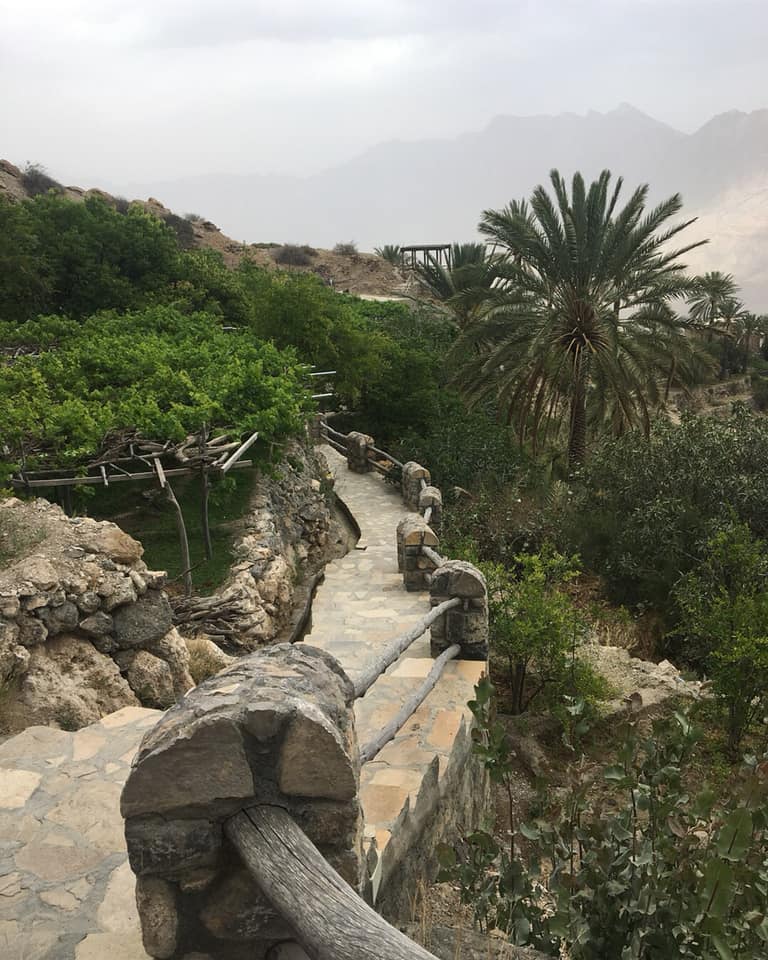
Hidden high in the Western Hajar Mountains is a true Omani gem. Wakan is a small mountain village surrounded by farms, greenery and a magnificent mountain range. The villagers use the terrace gardens to grow vegetables and herbs as well as cultivating pomegranates, apricots and grapes.
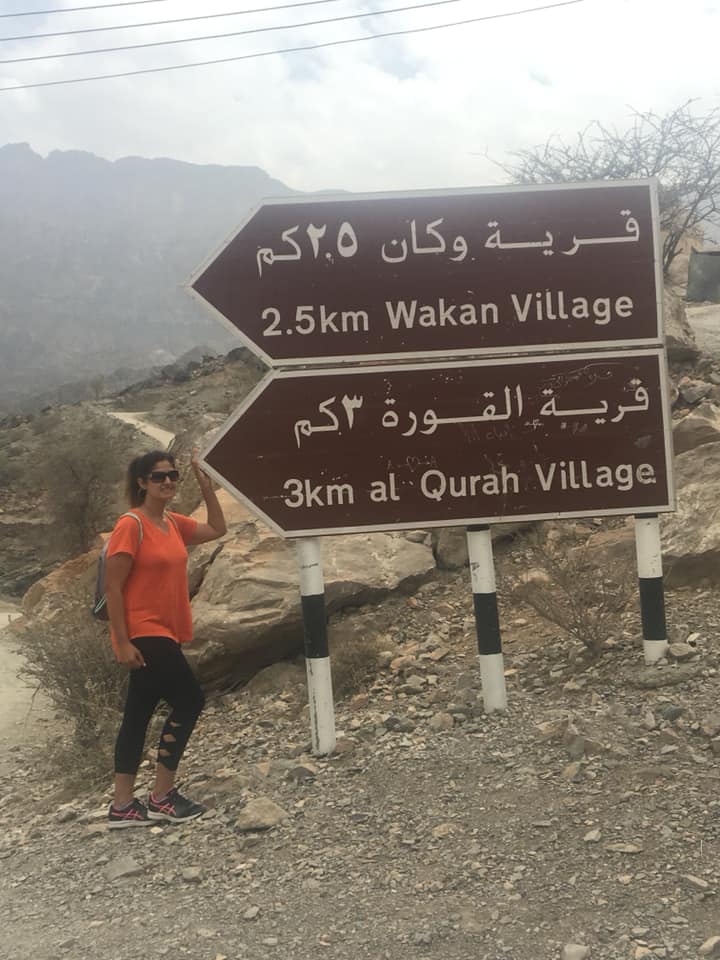
Wakan Village is one and half hours drive out of Muscat. The final stretch up to the village can be challenging and you will need a 4×4 to drive up. We decided to stop at the Wakan Village sign and hike our way up but you can drive to the top if you want.
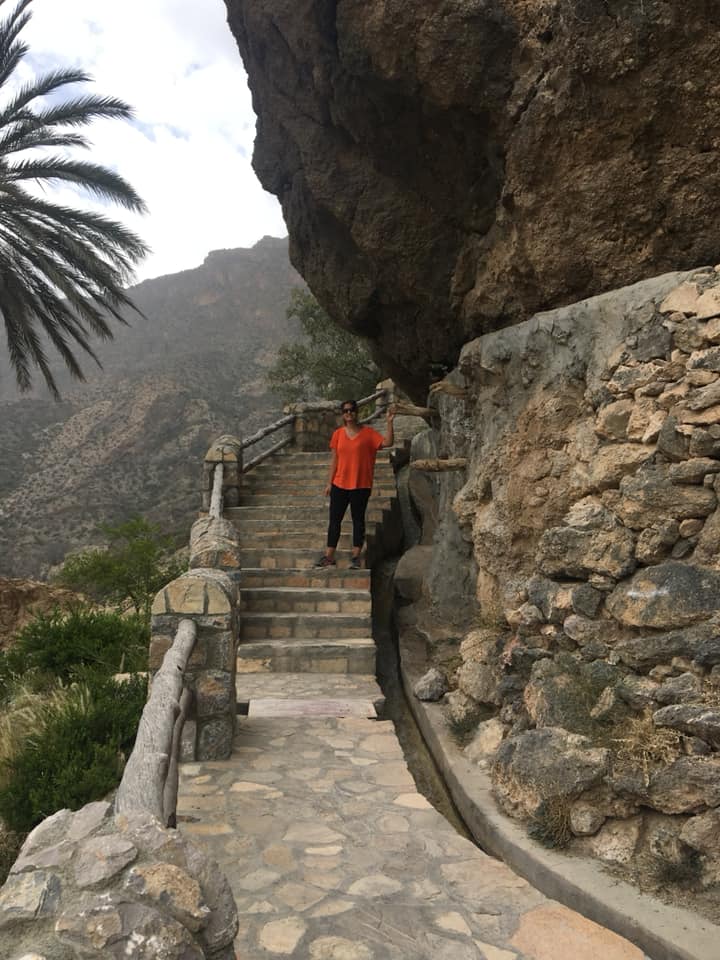
Once you arrive at the steps of the village there is a sign asking tourist not to pick any of the fruits as the villagers rely on the crops for their livelihood. A beautiful path consisting of 700 steps will take you through the village. The views are absolutely breathtaking, on the terrace walk you will pass a variety of plants, flowers and foliage as well as the Omani Falaj system. Once you reach the top of the village it is the ideal place to stop for a picnic and take in the view.
Dimaniyat Islands
Crystal clear waters of the Dimaniyat Islands
There are many small Islands of the coast of Oman, Dimaniyat Islands is a protected site due to the abundance of marine life and home to migratory birds. It is composed of 9 small islands and located 17km of the shore of Wilayat Al Seeb. To get to Dimaniyat Islands you can join a tour or a private boat, access is regulated and a permit is needed to visit the islands. Tours and boats leave from Al Mouj marina and it takes just over 30 minutes to reach the islands.
Photo credits to Rachel Jane
The main attraction of Dimaniyat Islands is the marine life, visitors can enjoy diving, snorkeling and relaxing on the white sandy beaches. The turquoise waters home the most beautiful sea life including turtles, sharks and stunning coral. The beauty and tranquility of Dimaniyat Islands will take your breath away, it is definitely one of the most spectacular places in Oman.
Snorkeling with these guys
Wadis and Beaches
Wadi Dayqah Dam
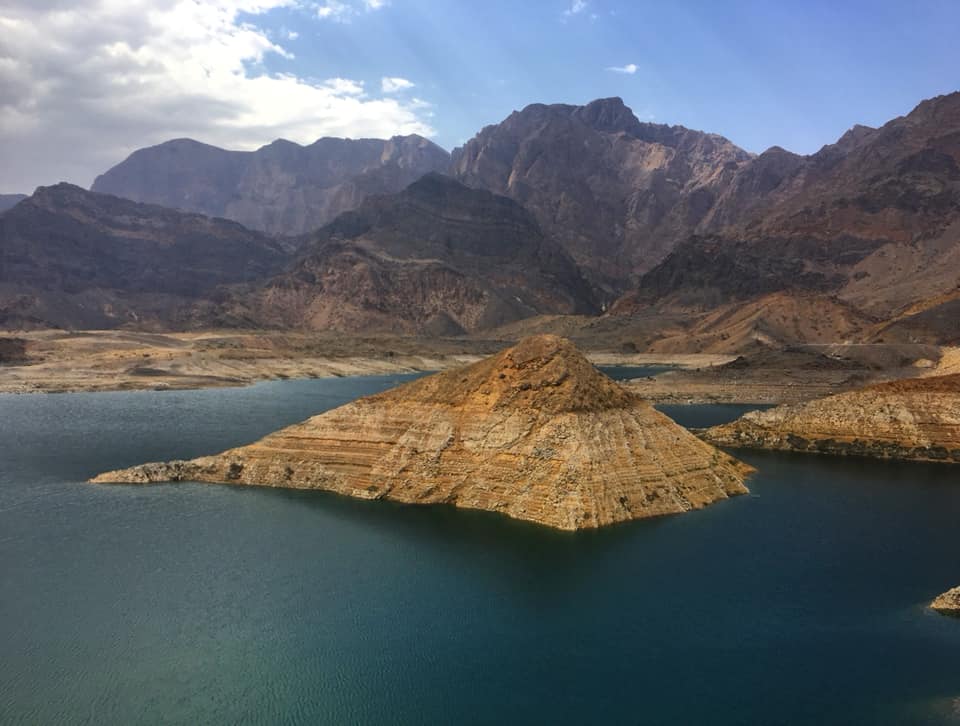
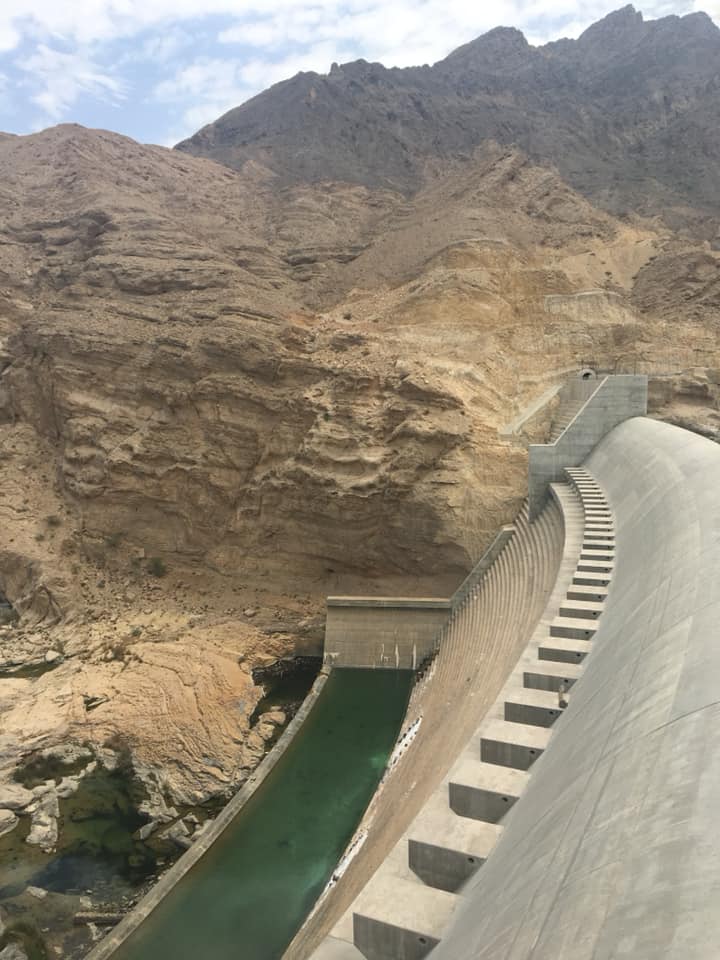
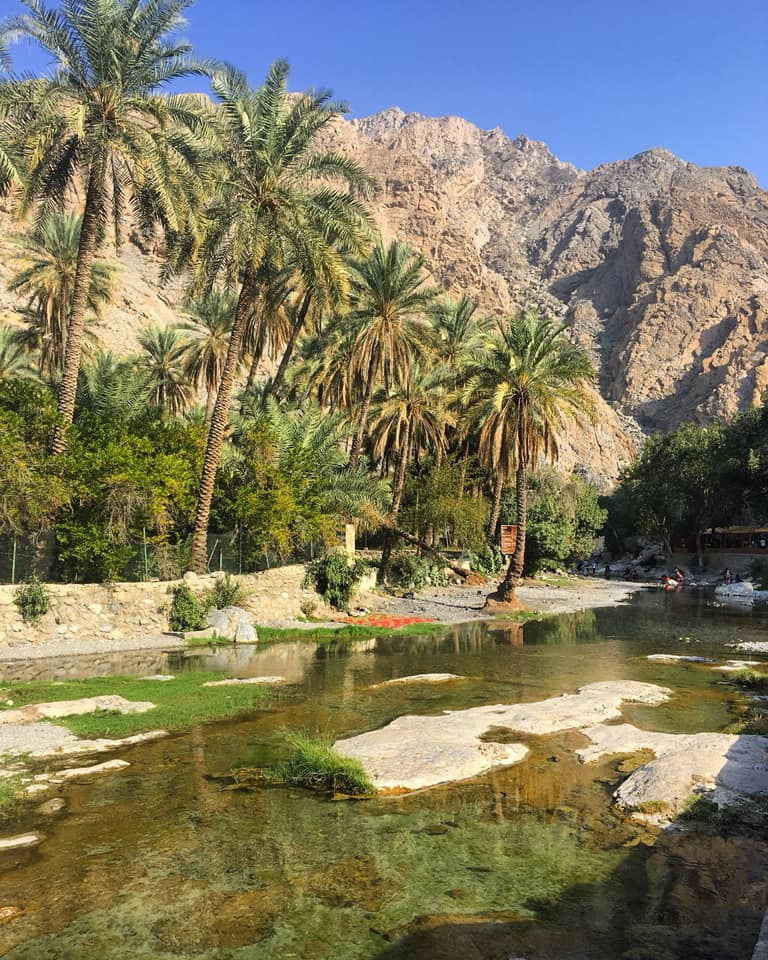
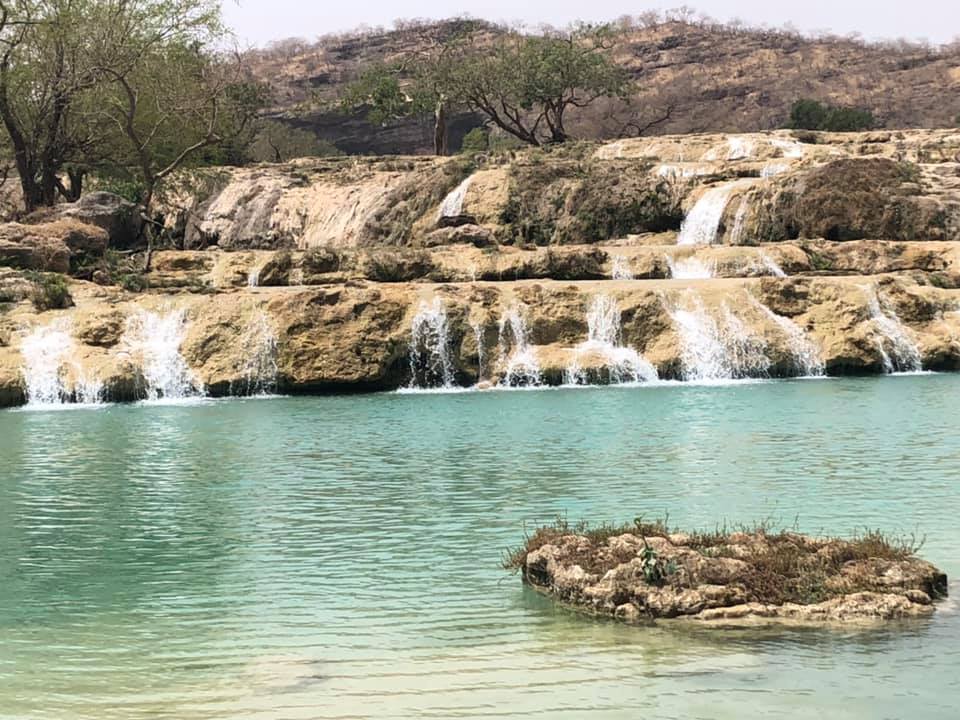
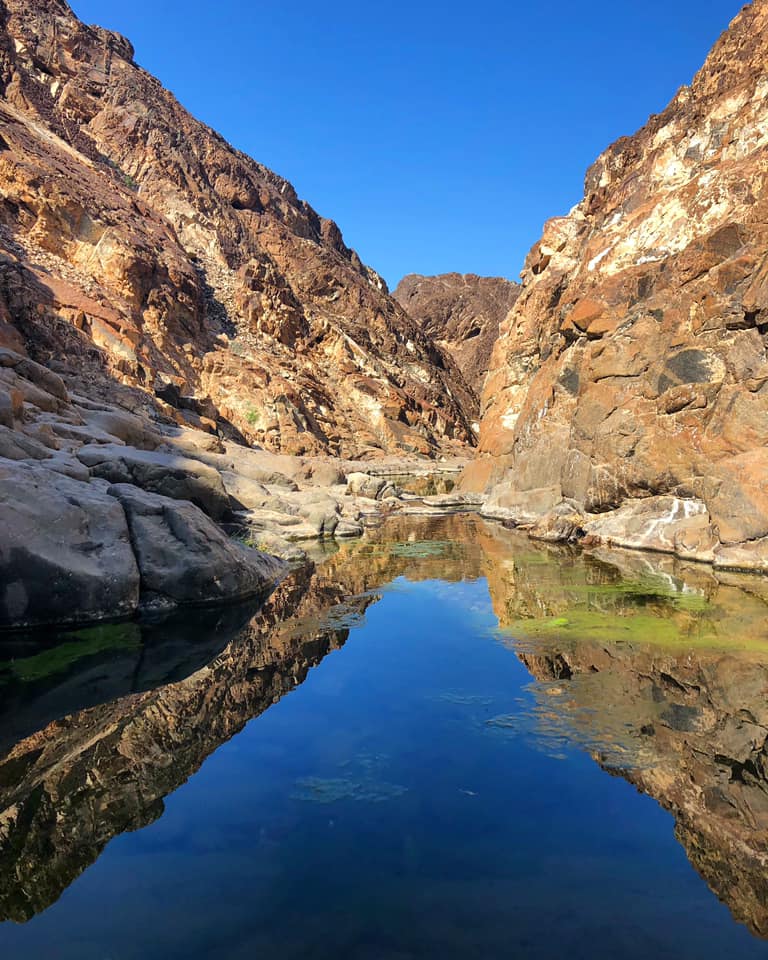
Oman is well known for its wadis (valleys) and beaches, throughout the Sultanate from the north all the way to the south wadis are scattered around the mountain ranges. Some of these wadis are well known among the tourists, Wadi Shab, Wadi Bani Khalid and Wadi Tiwi, while others are more popular with the locals. Wadis are the oasis of the desert with palm trees, pools of water and breathtaking mountains and rocks all around. You can not visit Oman without venturing out to a wadi. Wadi Dayqah Dam is the biggest dam in Oman, it is surrounded by mountains, streams, greenery and villages. There is a nice park for picnics and plenty of photo opts. The 1 hour 20 minute drive from Muscat is well worth it.
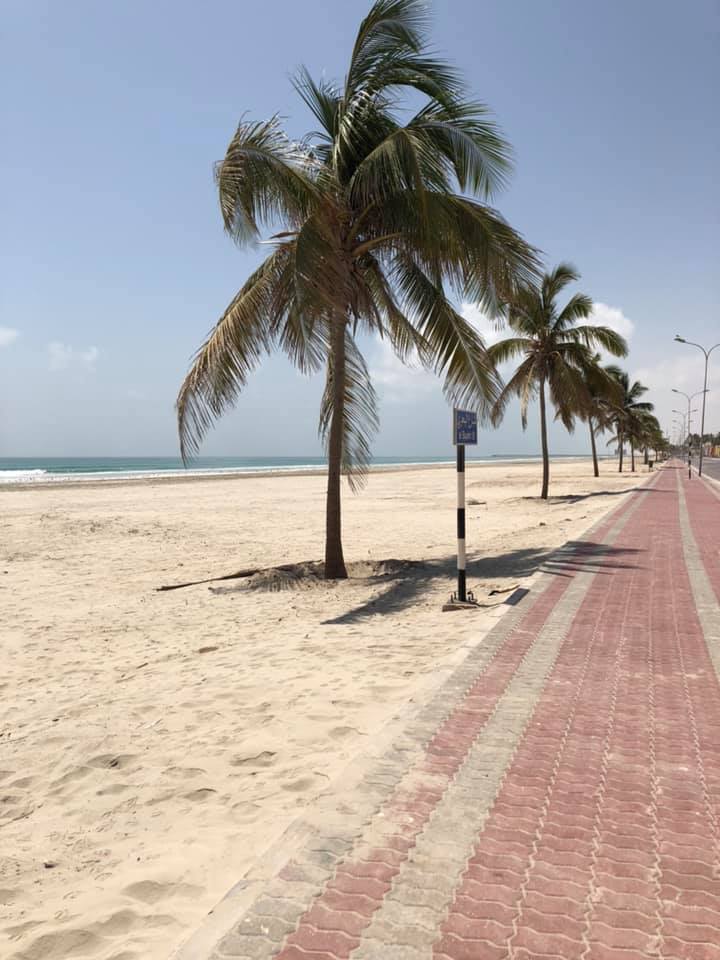
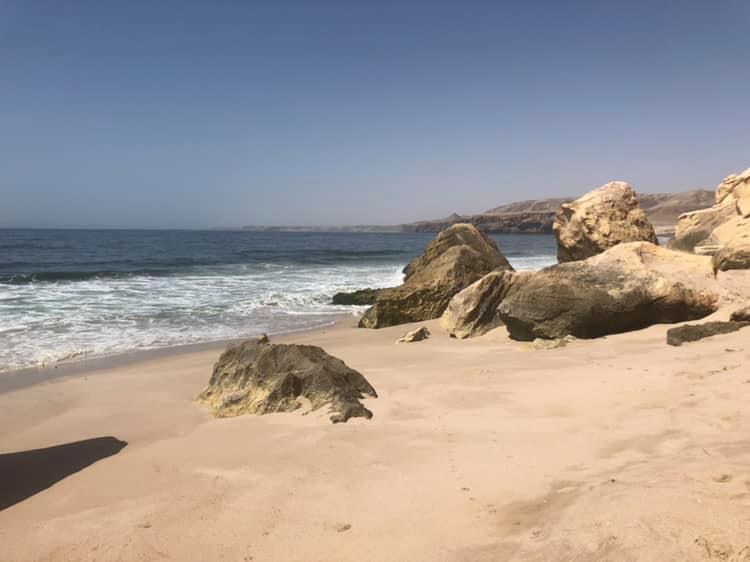
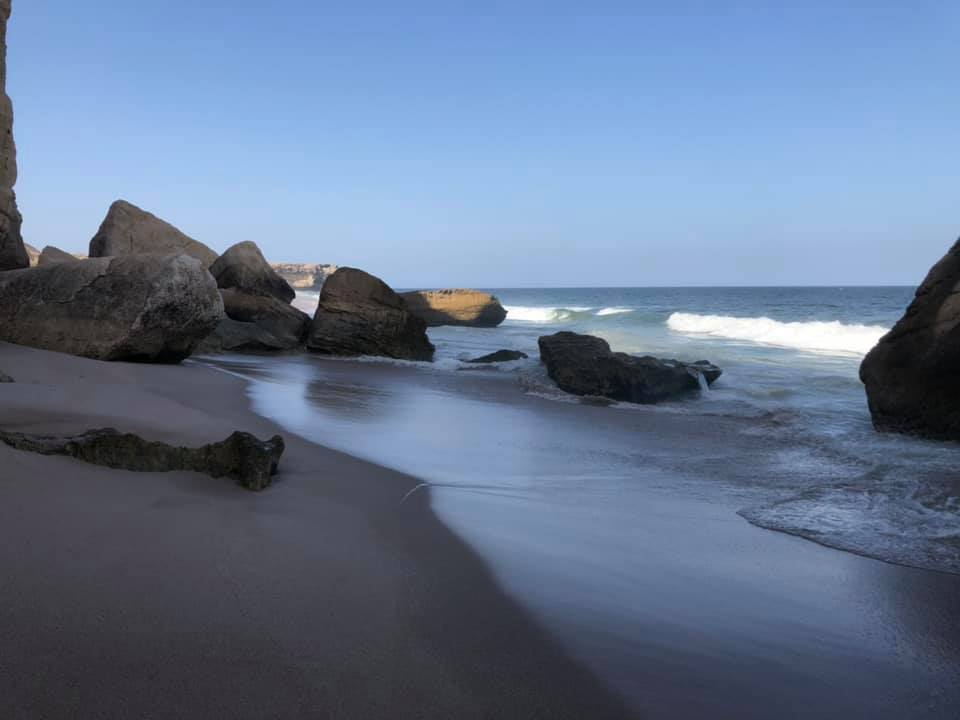
Oman’s coastline is absolutely breathtaking, crystal clear water, untouched sand and lush palm trees line the coast. I can’t name any one particular beach, there are just so many that need to be visited, you can’t go wrong with spending a day on one of these beautiful beaches.
Jebel Shams
Jebel Shams is the highest mountain in Oman and known as the Grand Canyon of the Middle East. Located 240 km and 3 hours away from Muscat airport. There are resorts and hotels in Jebel Shams as well as camping sites. The views are breathtaking and photos just can’t do it justice. More information can be found on Jebel Shams on my ‘Hiking in Oman’ blog.
Jebel Akhdar
Jebel Akhdar also known as the Green mountain is part of the Hajar mountain range and is 2 and half hours drive out of Muscat. Jebel Akhdar offers cooler weather, farms, villages and is well known among hikers. You can also go camping or stay in one of it’s hotels. More information can be found on Jebel Akhdar on my ‘Hiking in Oman’ blog.
Ras Al Jinz Turtle Reserve
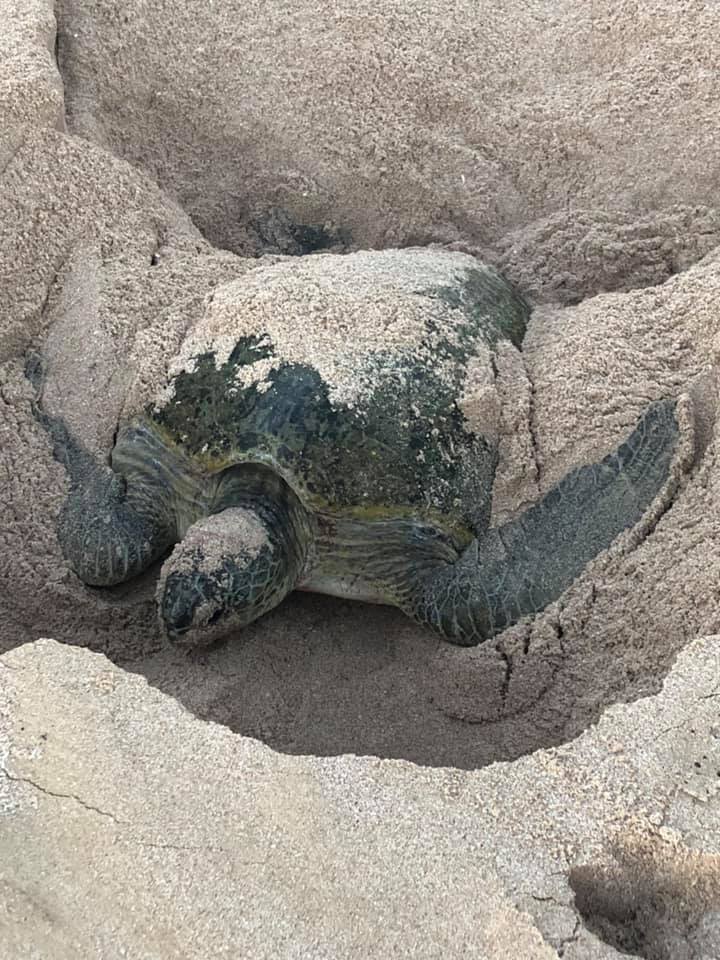
Ras Al Jinz Turtle Reserve is one of the most special and unique places in Oman. There are 7 species of turtles in the world and Oman homes 5 of them. Ras Al Jinz beach is the only place in the world where the green turtle visits every single night of the year. The reserve has rooms and ECO tents for visitors, I would highly recommend staying overnight as you will get a guided tour at dawn and night of the nesting turtles. The locals and turtles have been sharing this beach side by side for centuries, which is what makes this experience so incredible. This is not a sanctuary and you are prohibited to hold the turtles, this experience is about observing the natural habitat of the turtles and not a scheme to make money out of tourists.
If you stay overnight at the reserve you will also have access to the beach during the day. The beach itself is absolutely beautiful and home to many other marine life. There is also a small museum at the reserve which is full of information about the turtles that reside on this beach.
Turtle nesting season is between May to August and you are almost guaranteed to see female turtles laying eggs and spot hatchings emerging from eggs. The tour at night takes place in the dark as light from torches or lamps might alarm the turtles. Take off shoes to stop yourself from stepping on any hatchlings.
3 hours drive out of Muscat will get you to Ras Al Jinz. A regular saloon car is all you need as it’s a straight forward drive.
Bandar Khayran
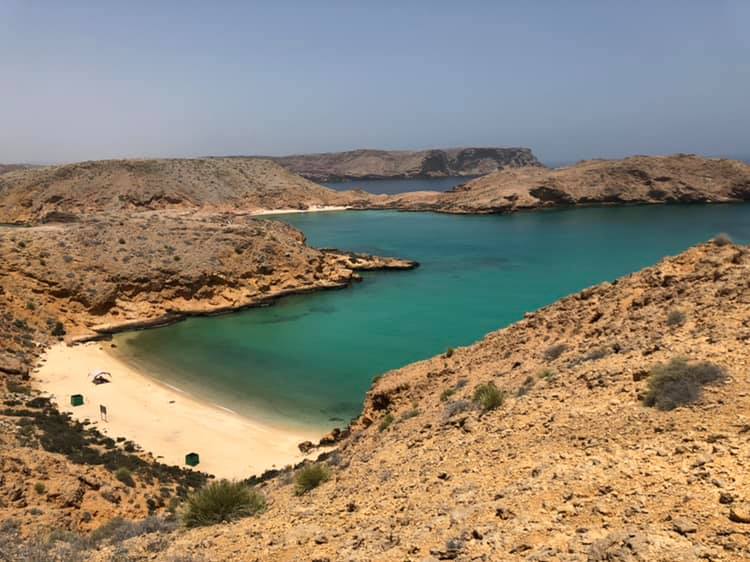
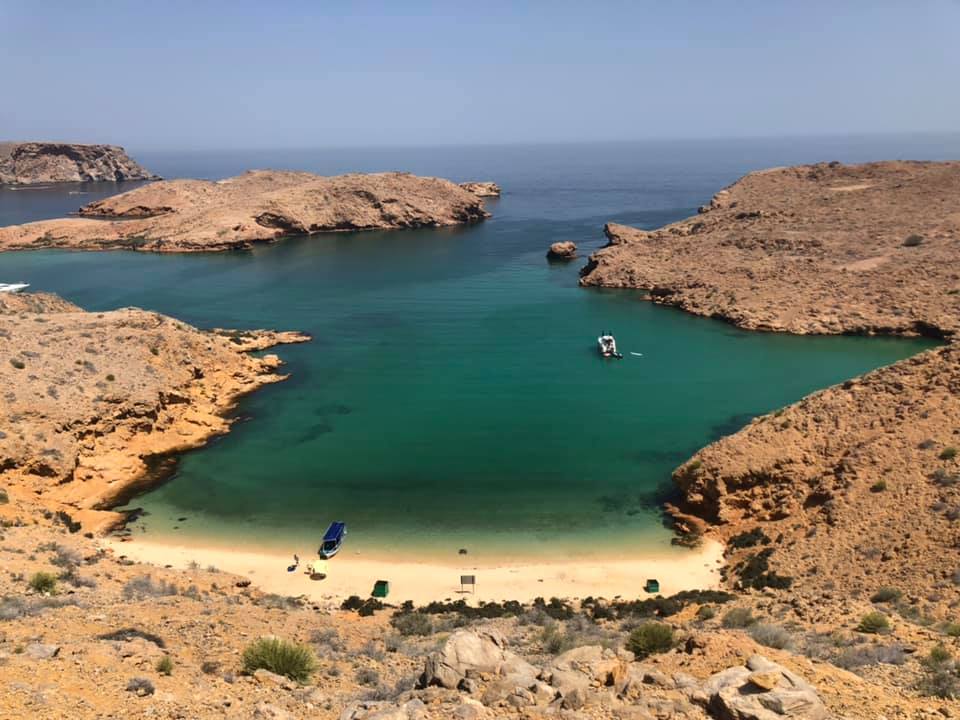
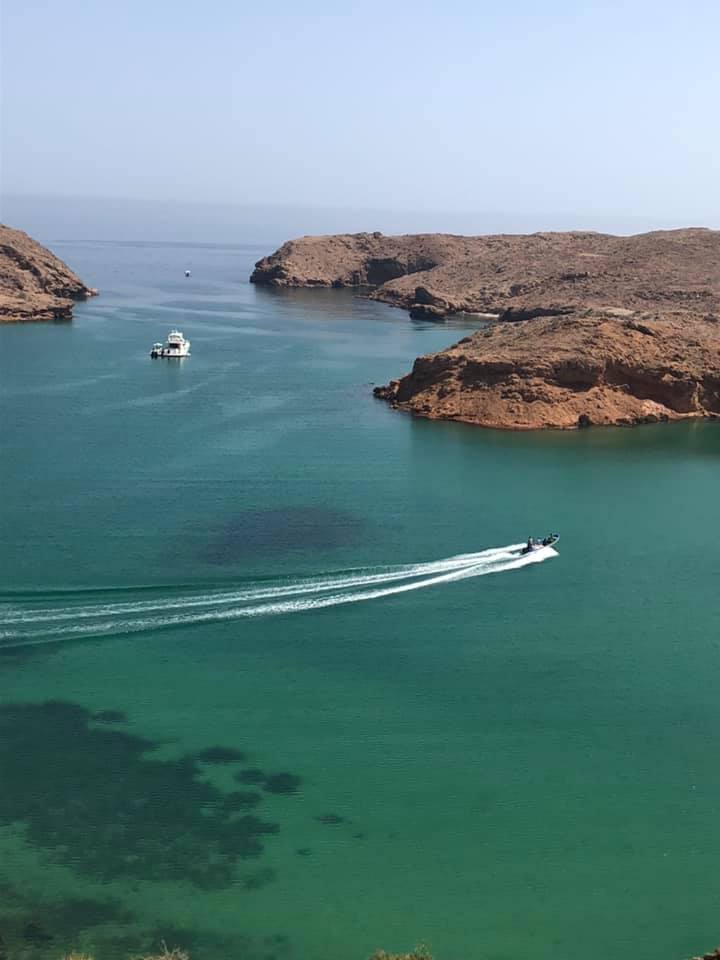
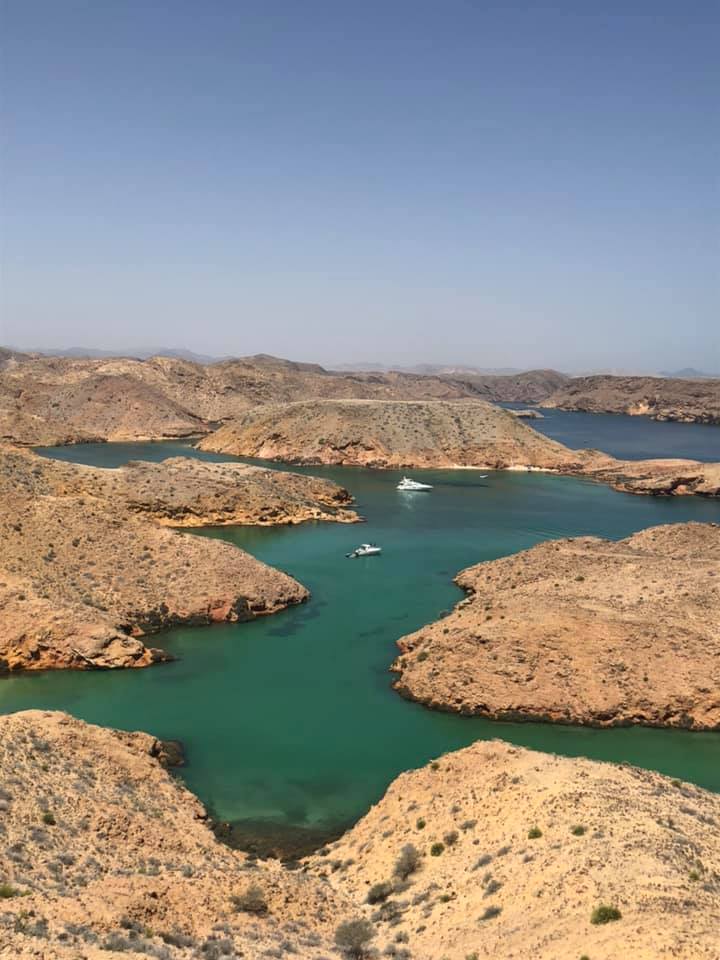
Bandar Khayran is only a half an hour drive out of Muscat. It is known for breath taking views of isolated beaches, rocky shorelines and turquoise waters. It is the perfect location for hiking, snorkeling, swimming and picnics. More information can be found on my ‘Hiking in Oman’ blog.
Salalah
Salalah is the second largest city in Oman and is located in the southern Omani governorate of Dhofar (close to the Yemen boarder). Salalah is known for its lush beaches, banana plantations and Khareef (monsoon) season. During the summer months Omani people from other cities and tourists flock to Salalah for its cooler weather and green landscape. More information can be found on my ‘Salalah’ blog.
Nakhal Fort and Al Thowarah Hot Springs
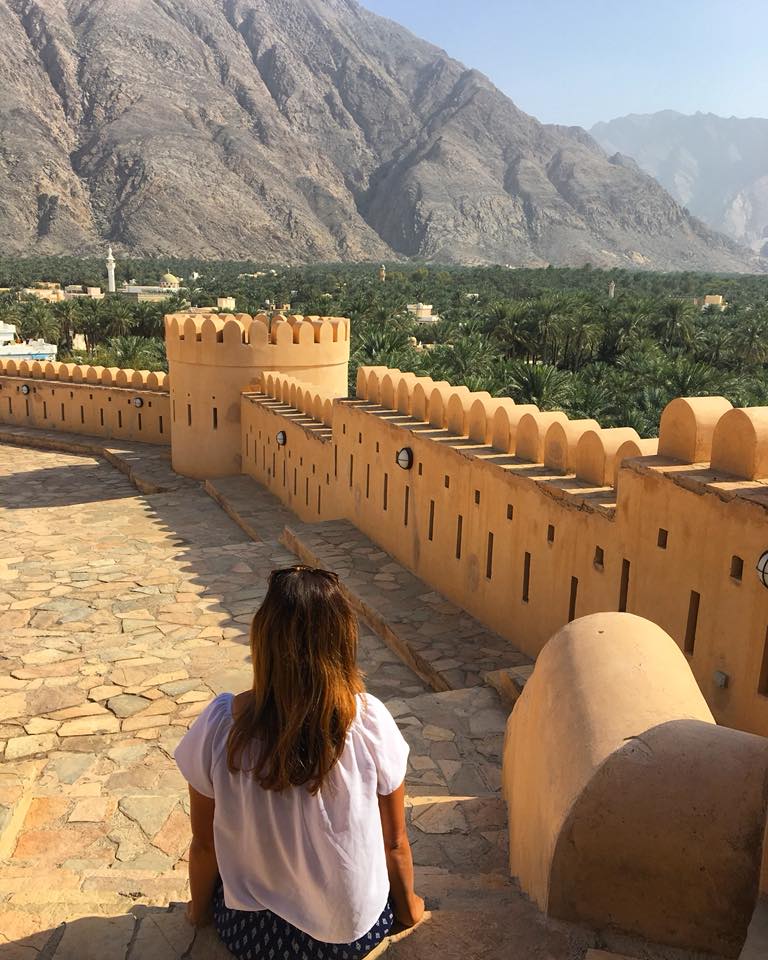
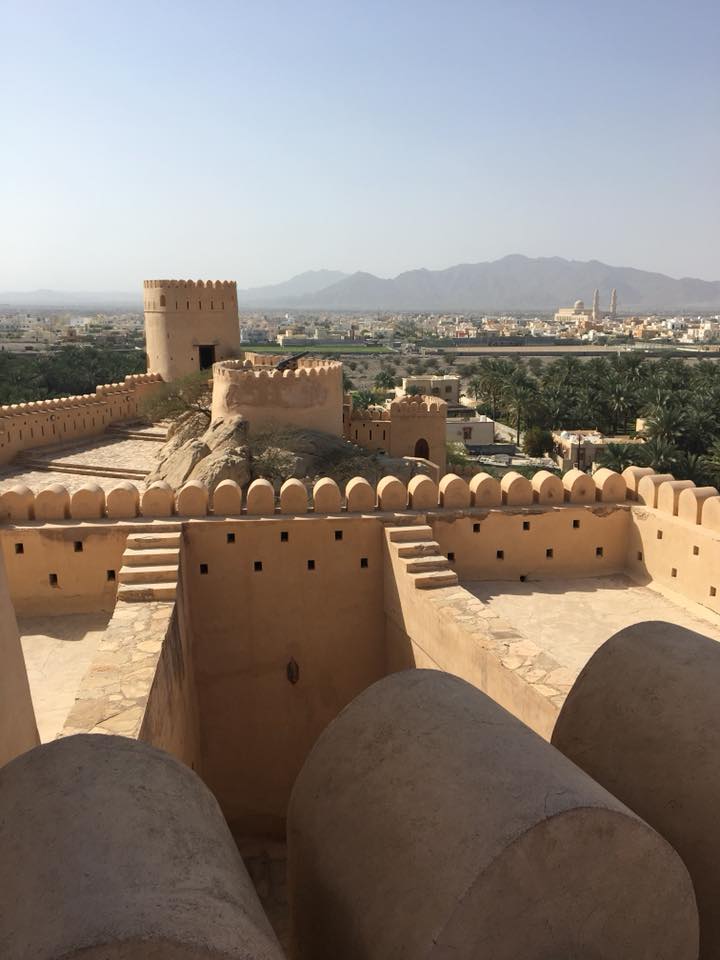
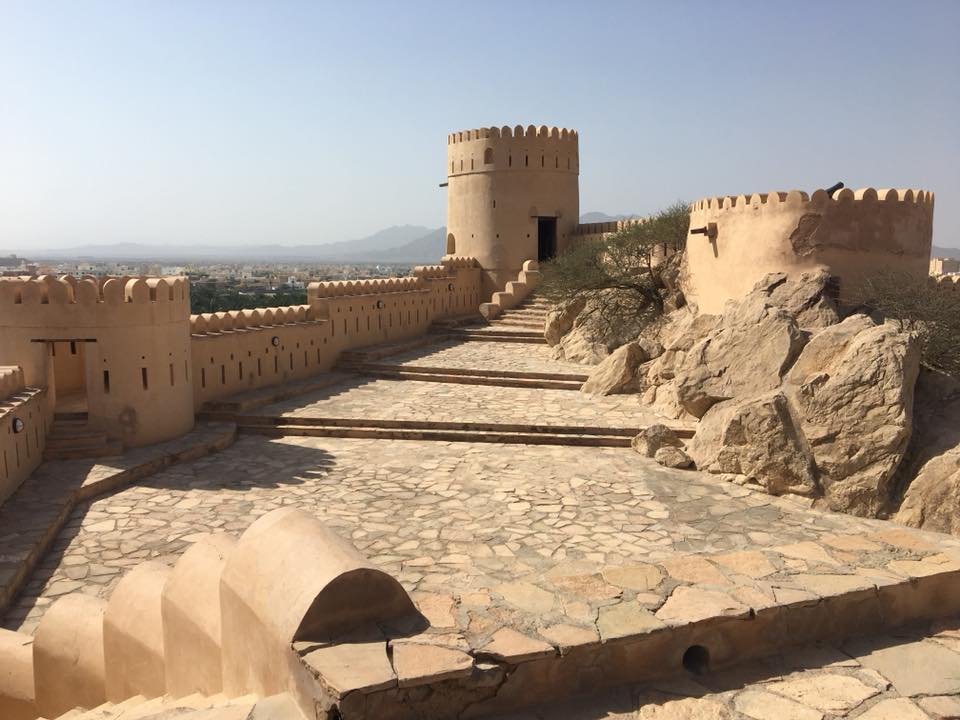
If there is only one fort you can visit in Oman I would recommend this one. Nakhal fort dates back to pre-islamic era and is located on higher ground overlooking vast palm orchards, which makes it so spectacular. The added bonus of Thowarah hot springs in close proximity makes this a must visit place. Just over and hours drive out of Muscat will take you to this magnificent fort. More information can be found in my ‘Forts and castles in Oman’ blog.
The rich history of Oman makes it so unique and sets it aside from the other GCC countries. There are historical forts and castles all over the Sultanate. Most tourists would be pushed towards Nizwa Fort, as it’s situated in a souq and most popular. But there are many bigger, older and enchanting forts to visit. The following are forts and castles that are not as well known as Nizwa but I feel are definitely worth a visit.
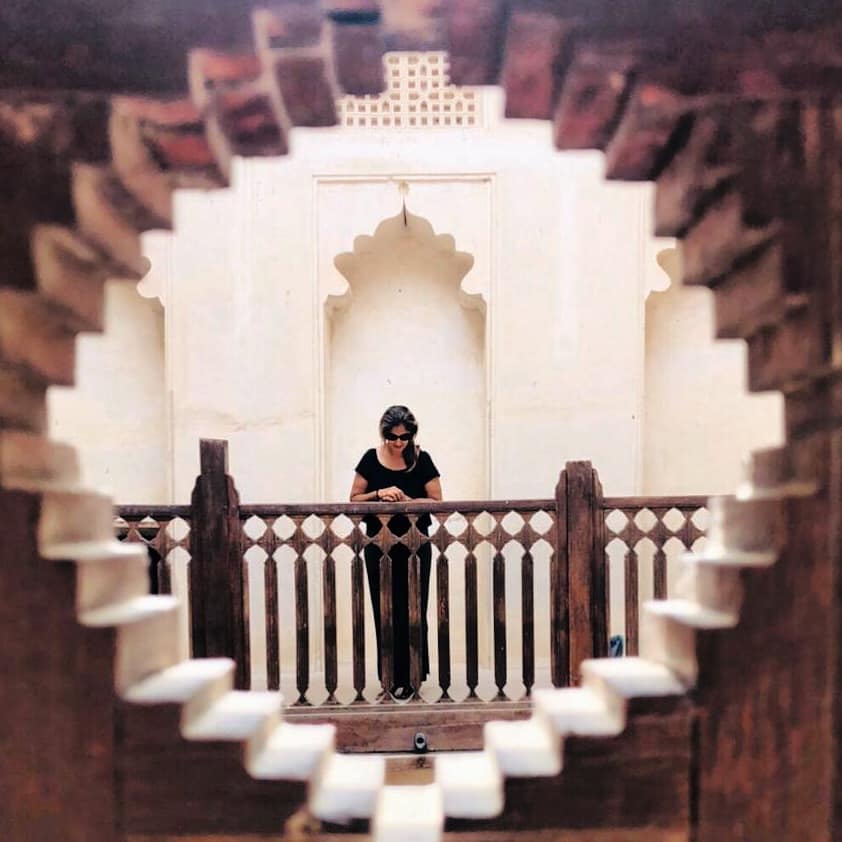
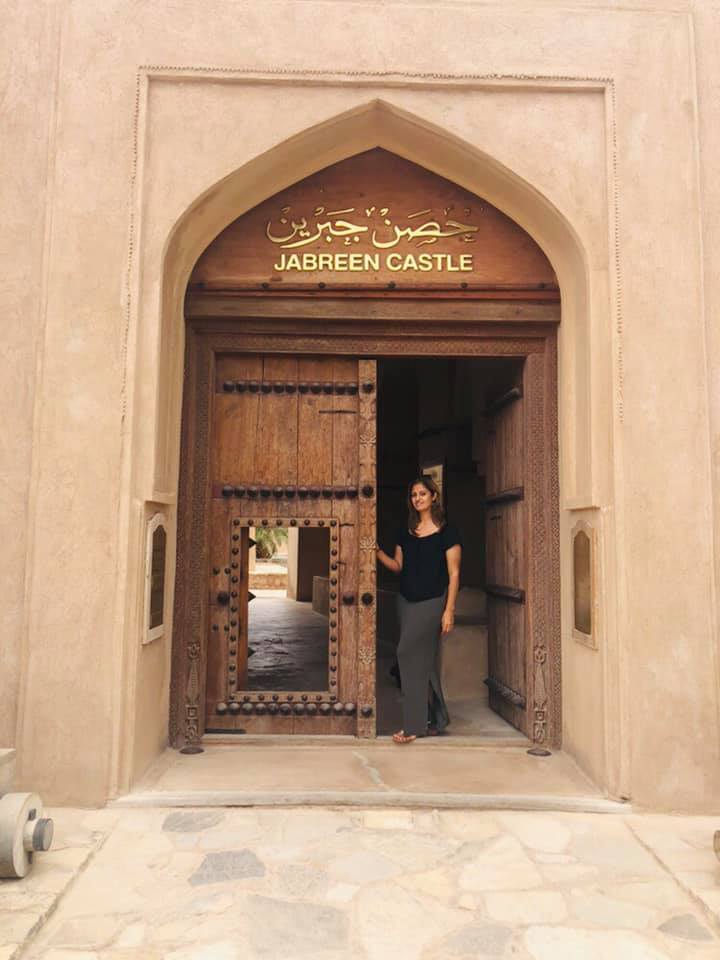
Jabreen Castle
This castle is about 2 hours drive from Muscat, situated in Bahla in the Al Dakhiliyah Governorate. It is not one of the oldest but it’s certainly one of the most beautiful in Oman.
Jabreen castle was built in 1670 AD by Iman Bil Arab, when he moved his capital from Nizwa to Jabreen. Iman Bil Arabia is buried in a tomb inside the castle, which is accessable by the general public.
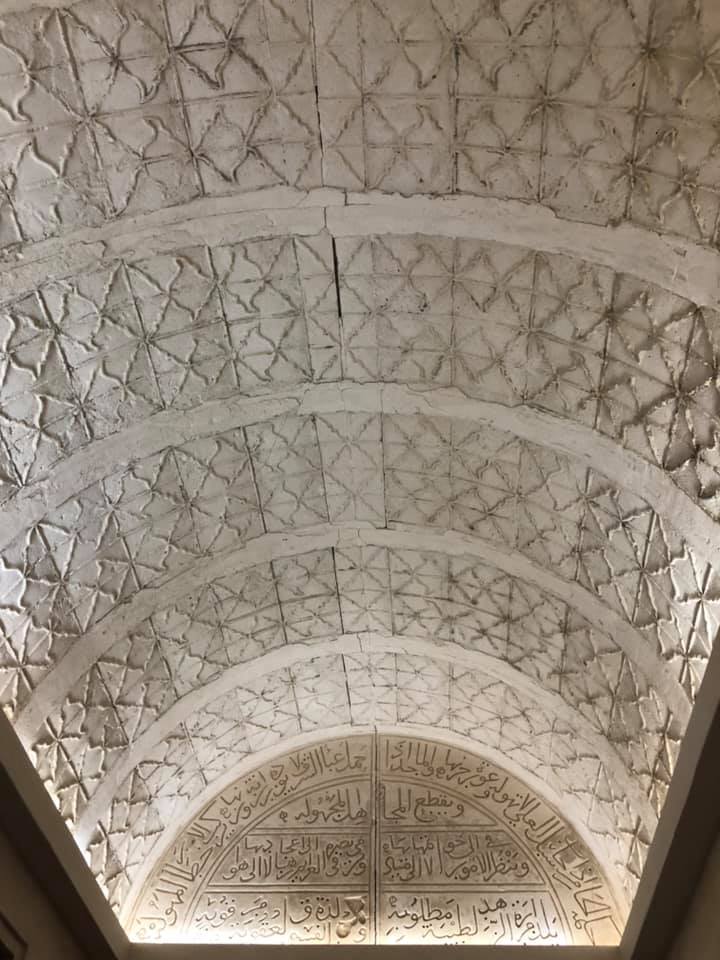
Sun and Moon room
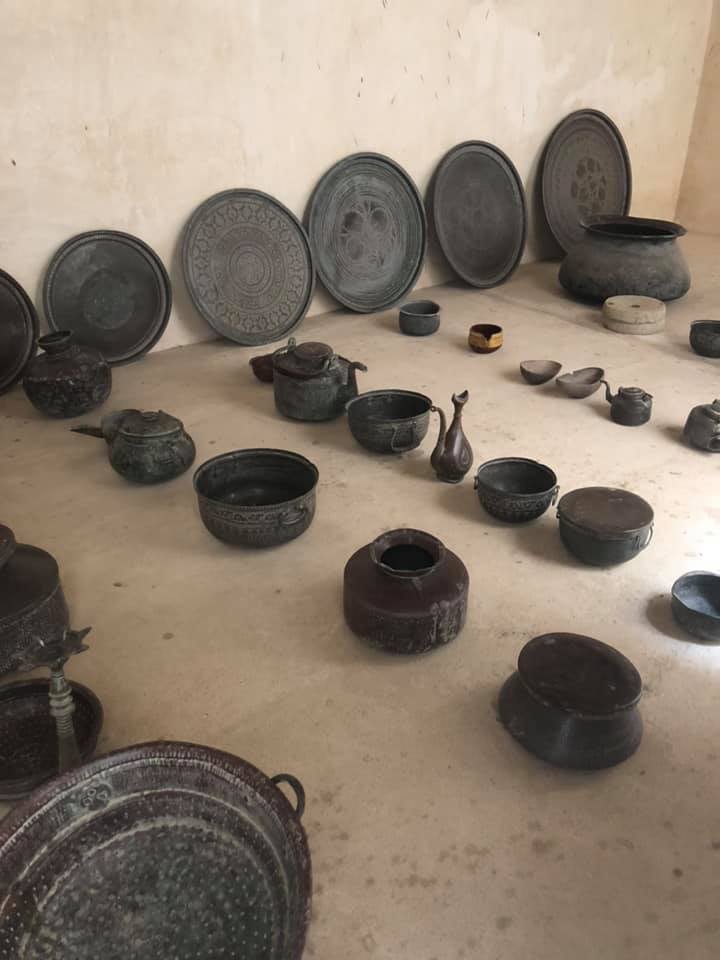
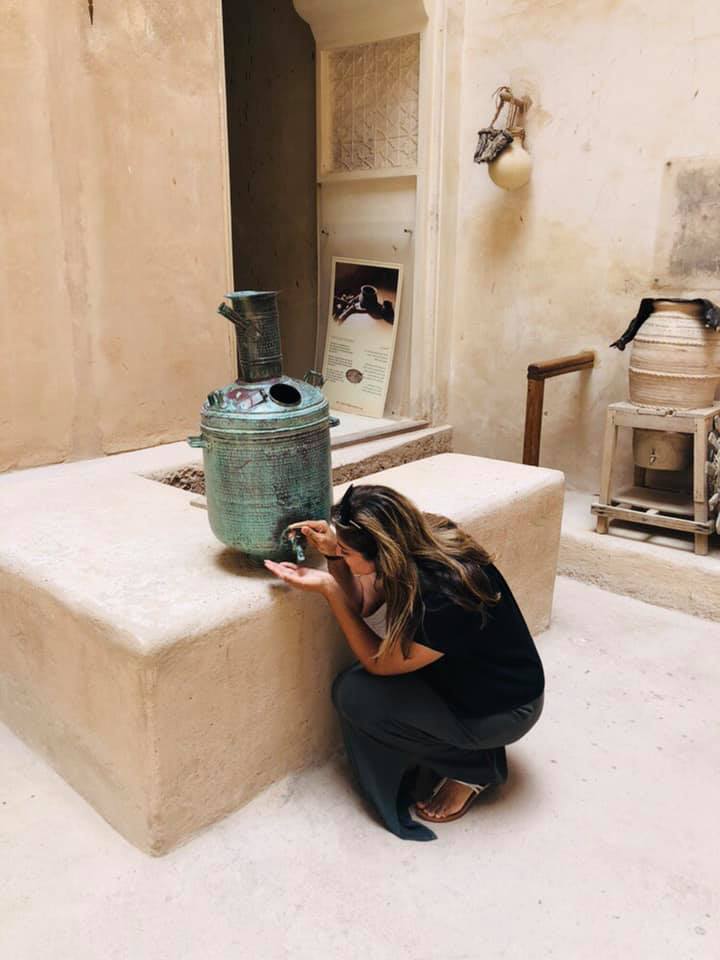
One of the highlights of this castle is the sun and moon room. The walls and ceiling are beautifully engraved with prayers from the Quran. All the different rooms and areas are clearly labelled and there is a lot of information about the castle on display. There are many date storerooms around the castle. Interesting and historical fact: The dates were boiled with water and then poured through holes in the top floor onto invaders and enemies trying to get into the castle!
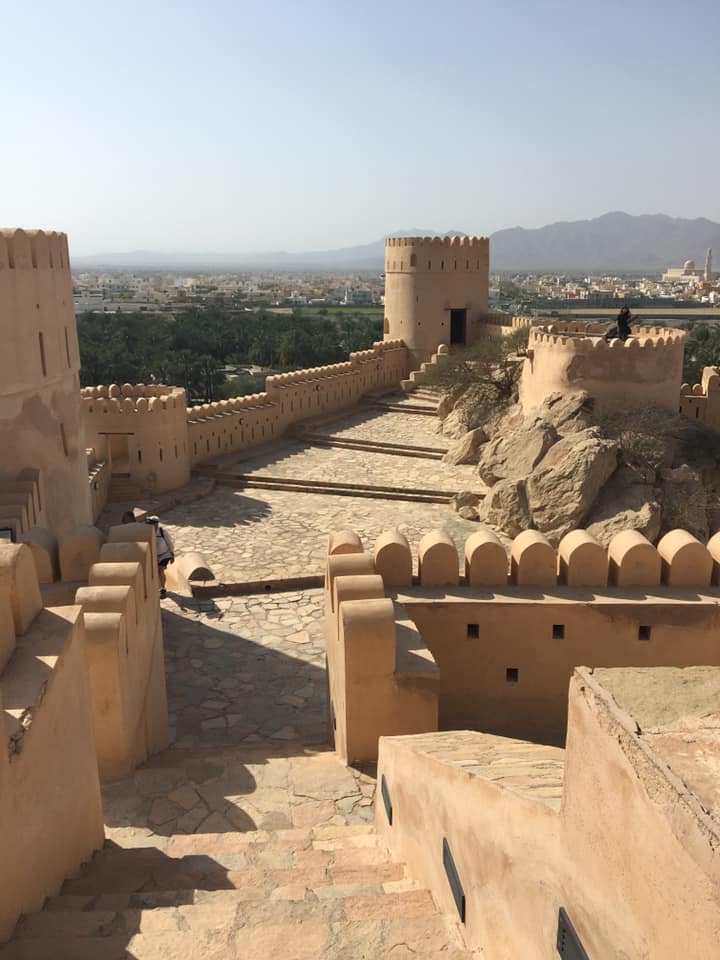
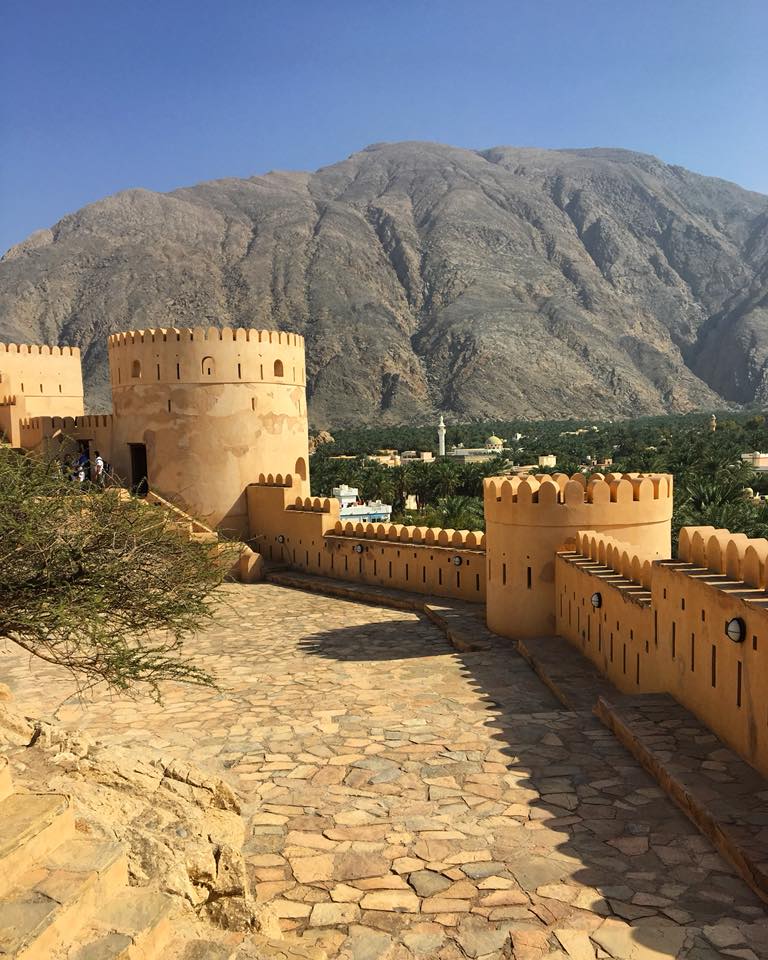
Nakhal Fort
View from Nakhal Fort
A simple straight forward 1 hour drive out of Muscat will bring you to the magnificent Nakhal Fort. It is situated on a hill above ground level and is surrounded by mountains and date palm farms. The word Nakhal means date palm. This fort was built in pre-Islamic times and has been resorted many times over the years. The layout of this fort makes it so magnificent. The ground floor has many rooms for you to visit but the top floor has the most spectacular views of its surroundings.In close proximity to the fort are Ain Al Thawarah spring and Wadi Al Abyadh.
Bahla Fort
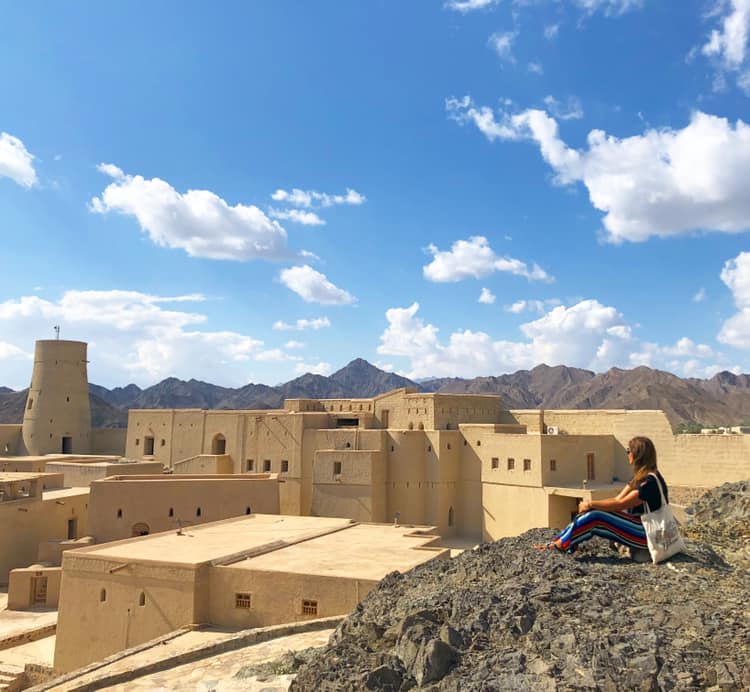
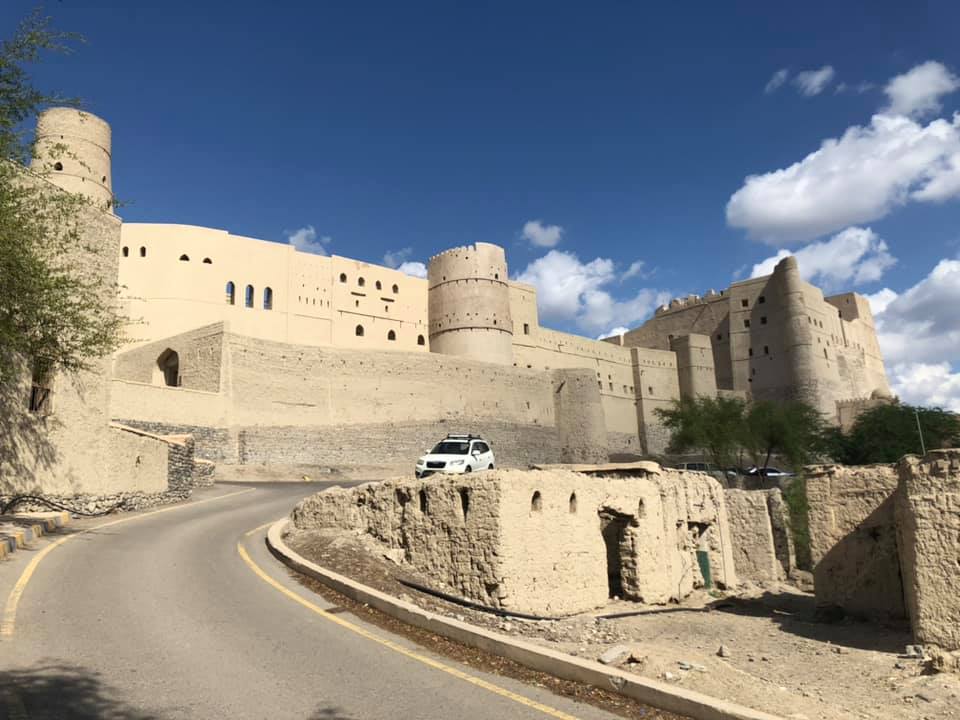
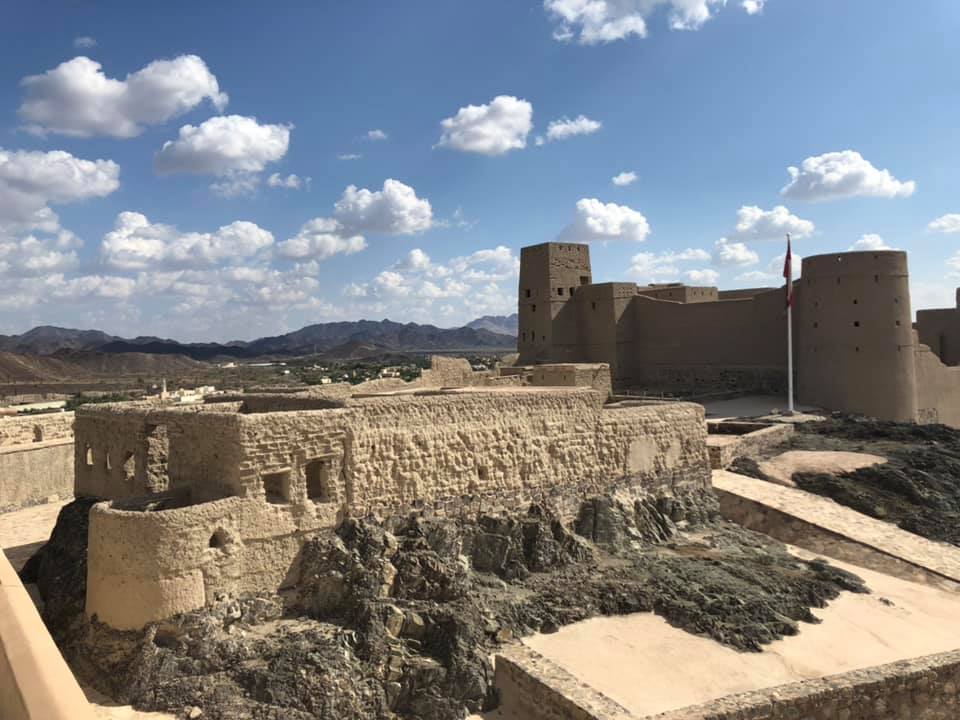
Bahla fort is the biggest and the only UNESCO listed fort in Oman. For these reasons it’s well worth a visit. It’s 2 hours drive out of Muscat and situated at the foot of Jebel Akhdar and quite close to Jabreen Castle and Nizwa fort, so you could visit these sites at the same time. The fort dates back to the 12th century and underwent a restoration in 2012. It’s one of the few forts where some parts of the building are still in their original state, so you can see quite a contrast between the old and recently restorated constructure. You can spend a lot of time wandering around this large fort but it lacks direction, there isn’t much information or history given or on show, unlike Jabreen castle.
Al Sawadi Watchtower
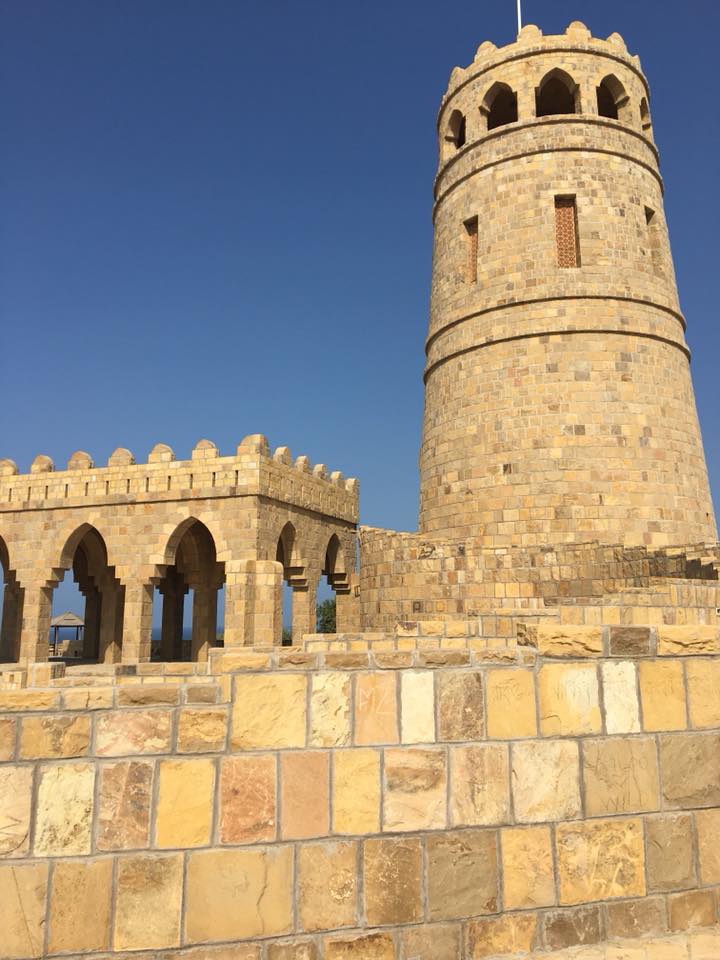
Now technically this is not a fort or castle but it is definitely one of the most unique places to visit in Oman. A straight forward 1 hour drive from Muscat will take you to Al Sawadi beach. Located on a small island called Jebel Add, just off the coast is Al Sawadi Watchtower. This watchtower would have been originally erected to alert locals of potential invaders but now it’s used by people to enjoy a picnic on a deserted island.
When the tide is in you will need a boat to take you to the island ( plenty of fishermen earning money from offering this service). But if the tide is out you can just walk to the Island. My friend and I were taken to the island by boat and were the only people there on this particular day, the shore was covered in crabs which gave the place a very ‘Lord of the flies’ feel.
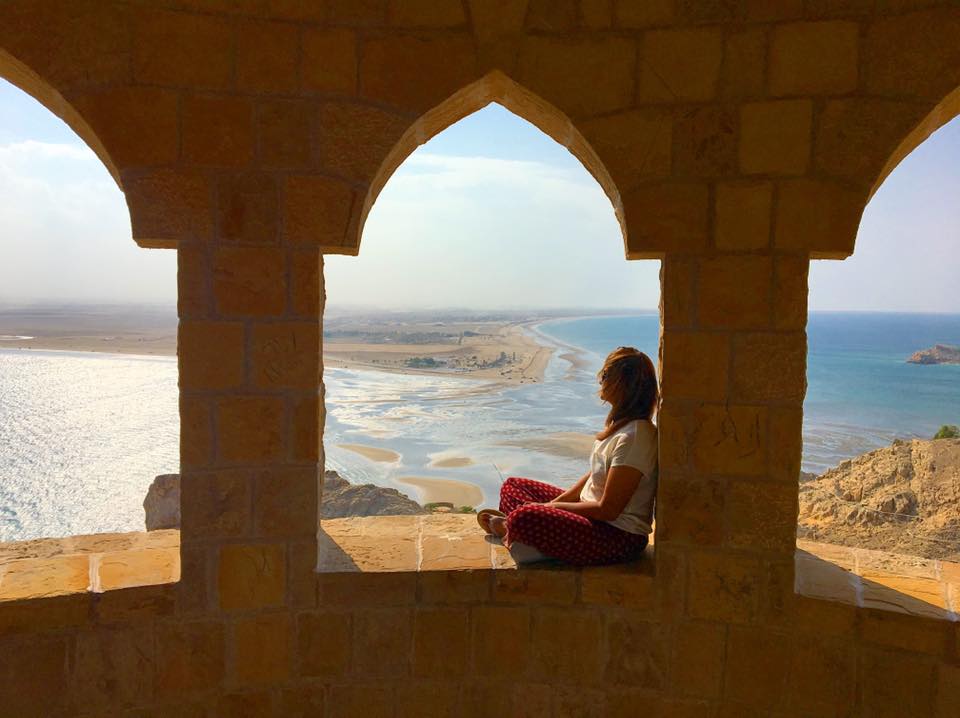
We walked up some steps to the watchtower and took in the spectacular views. Unfortunately the place is not taken care off and there’s litter everywhere, people have just left all their rubbish from the picnics on the island and given it a very unkempt look. Walking up the stairs was quite a scary experience to be honest and that is why not many people go up. It was dark and the stairs were covered in rubbish ( we had to use the torch from our phone to make our way up). I would definitely not have ventured into the watchtower had I been alone. Once we reached the top, the 360 degrees view of the ocean, land and beach was 100% worth the daunting walk up. Once we had a good look around and took plenty of photos it was time to head back. The tide had gone out and we were able to walk back to the shore. This is not a well known site but I could not recommend it more.
Fanja
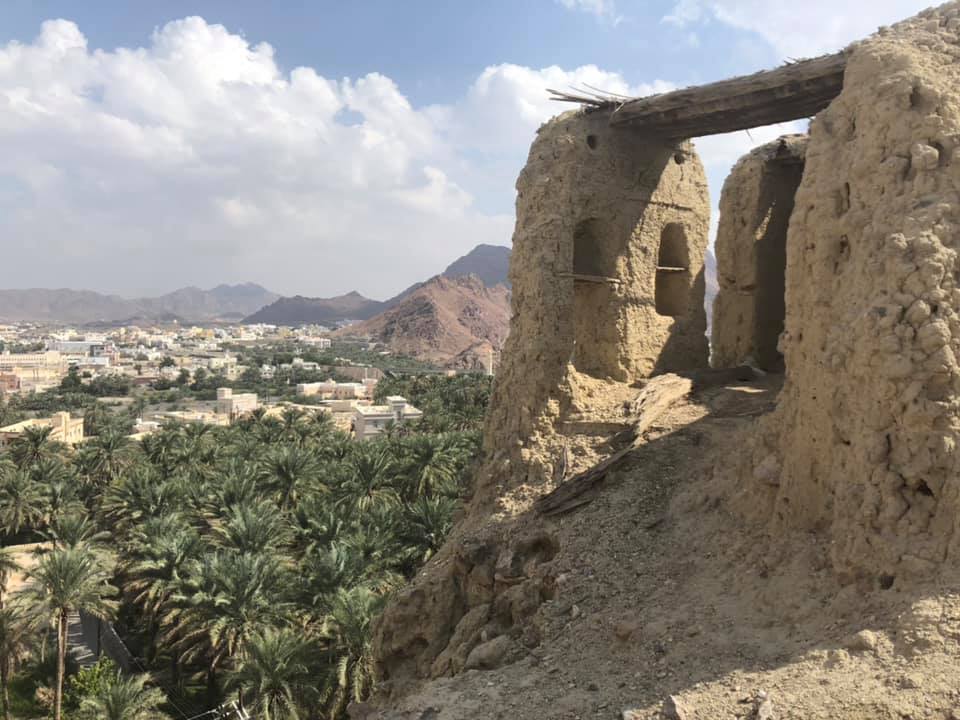
Fanja is an old town/village with a lot of history, situated just on the outskirts of Muscat ( 30 minute drive away). It has a lot to offer – farms, a wadi, ruins mixed with old and new buildings. Walking around Fanja definitely gives you the feel of stepping back in time.
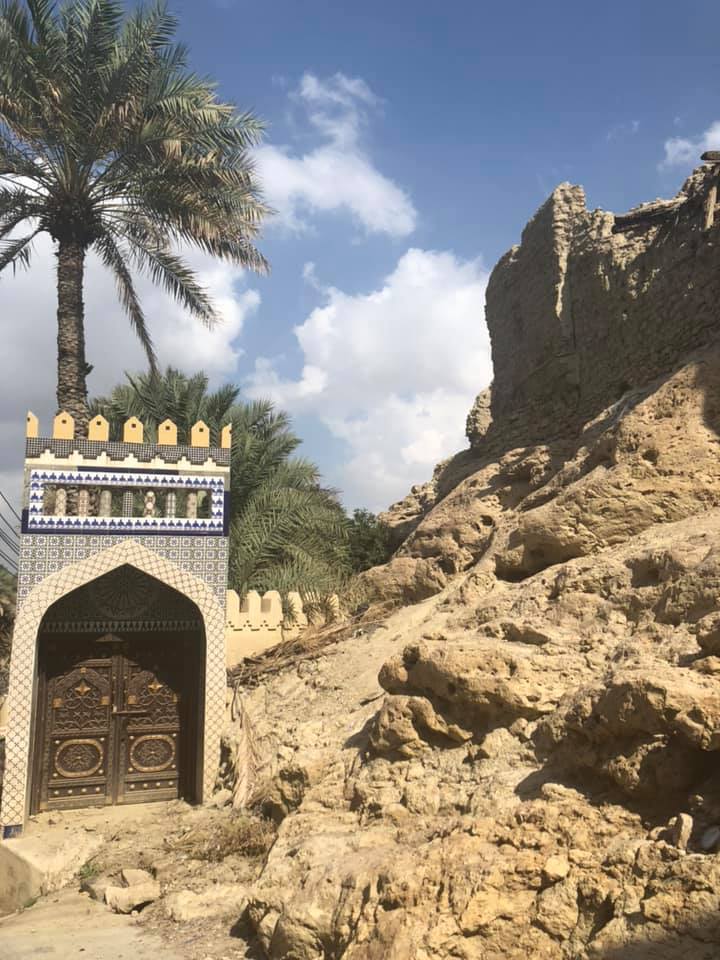
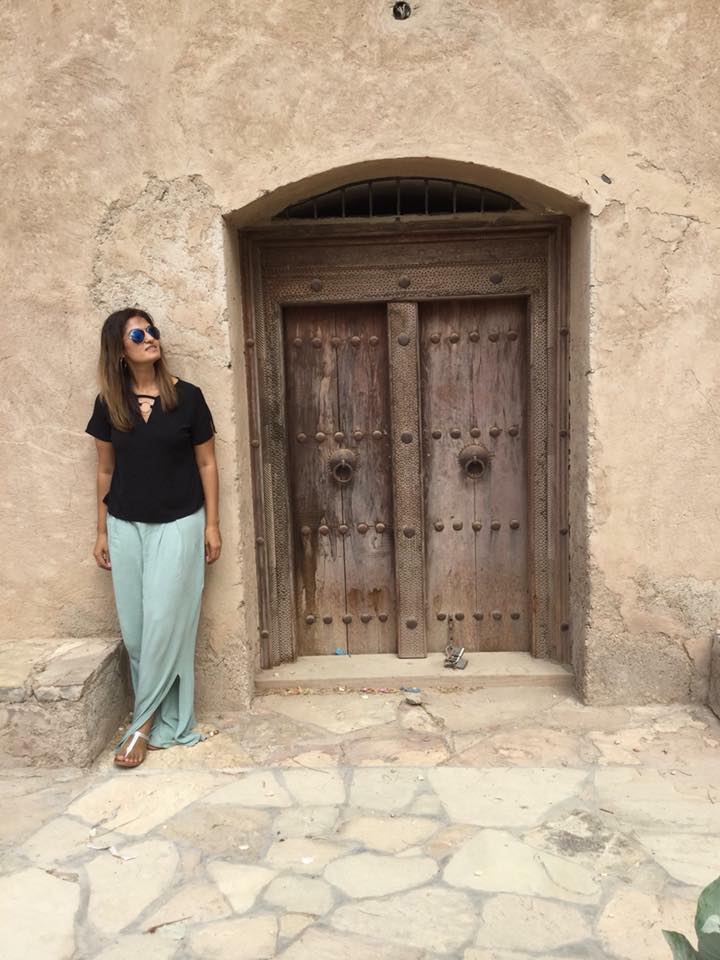
We walked through the village and then up towards the ruins of a fort and watchtower, from the top you have a beautiful view of date palm farms and wadis in the distance. Most the villagers have moved away from Fanja or built new houses but among the ruins there are still some families determined to stay put. It was absolutely fascinating to see signs of modern day life mixed with ancient structures. You will see lots of doorways, scattered across the area. There is no restoration program for this town, so please visit before the history and ancient ruins disappear due to modern development and natural weathering.
More……..
There are many other forts in the Sultanate that are worth a visit. Rustaq Fort and Al Hazm Castle are in close proximity to each other and can be visited together. Rustaq Fort is one of the biggest and oldest in Oman and Al Hazm castle is well known for its many corridors and rooms, making it a labyrinth.
Another intriguing castle is Samail Castle, I am calling it intriguing because it’s closed on weekends and public holidays and only opens for a few hours on the weekdays, so you would be very lucky to actually get inside and see it.
Practical information:
Entrance fees for most of the forts and castles is 500 Baisa ($1.5).
Always check opening times before travelling to any of the forts, most of them are open all day through out the week expect for Fridays, when they only open for a few hours.
A regular saloon car will get you to all the forts mentioned above.
Oman could be a hiker’s paradise and in many ways it is. You can find gentle sloping hills to magnificents mountains all over the country, situated in some of the most beautiful locations. Weekends could easily be spent hiking in a different location. But….. the problem lies with finding these hiking spots! When it comes to hiking in Oman you need something called ‘luck’ and a friend who knows a friend who has been there! No hiking route is easy to find! Most of the hikes I’m going to mention in this blog are not even official hiking routes with any kind of marking or sign posts. They are places that were recommended by others and I was able to access with a normal saloon car.
Bandar Khayran
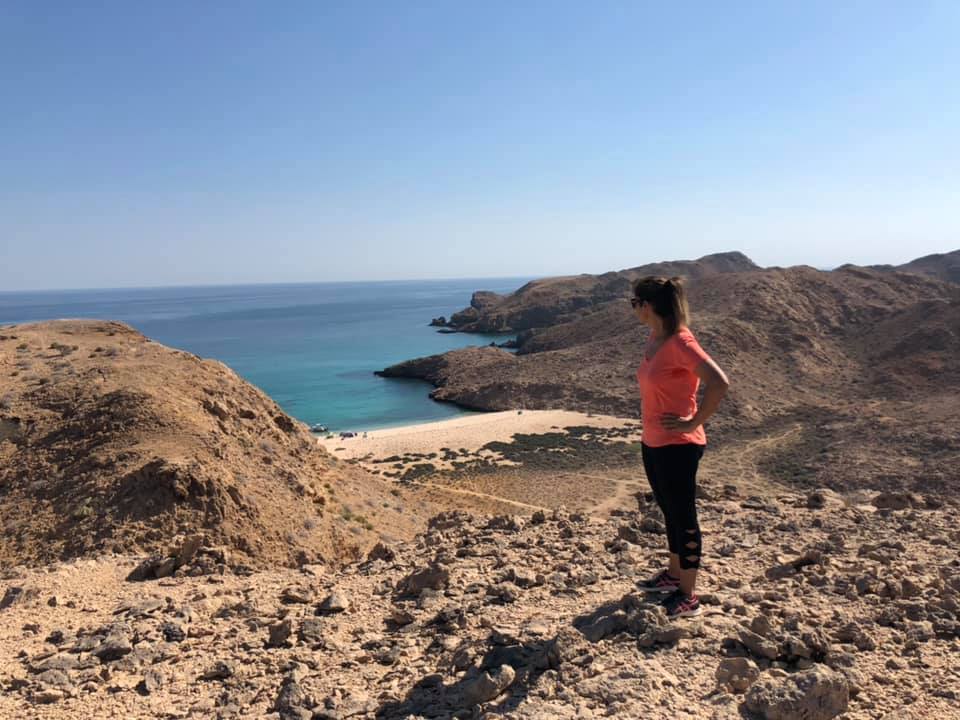
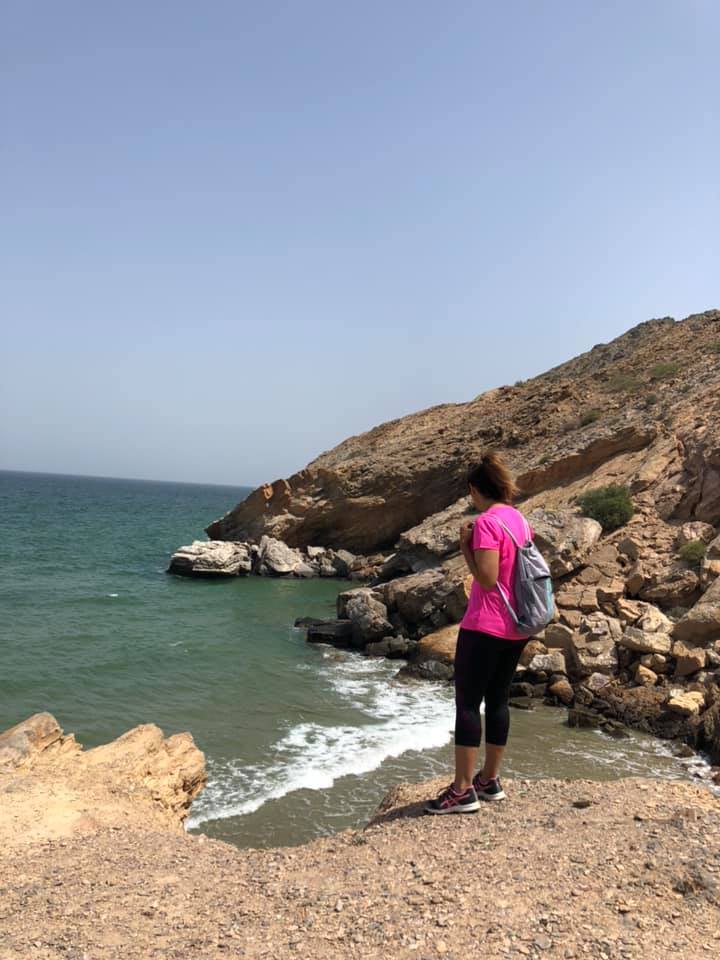
Bandar khayran is mainly used by people for it’s secluded beaches. On the weekends people come here to swim, snorkel, have picnics and camping. The small beaches are surrounded by towering mountains, which makes hiking here so breathtaking. You will get to see some of the most stunning ocean views and can take some amazing photos. Bandar Khayran is signposted and fairly easy to find, about 40 minutes drive out of Muscat, but there is no hiking route.
Once you reach the viewpoint, park your car in the makeshift car park and start to follow a faint path straight ahead. Now you will notice there are many faint paths, which have been created by shoe prints of other hikers or beach goers. Where each path will take you is pure potluck, you might end up at a great view point or at a secluded beach. I’ve done this hike a few times and each time have followed a different path, so it has always felt like a new hike and that is probably why I would recommend it.
This is not a difficult hike and a fairly fit person should easily be able to complete this. Just watch out for loose stones and goats. Depending on the time of the year take plenty of water with you as you will be in direct sunlight most of the time.
Saal Steps
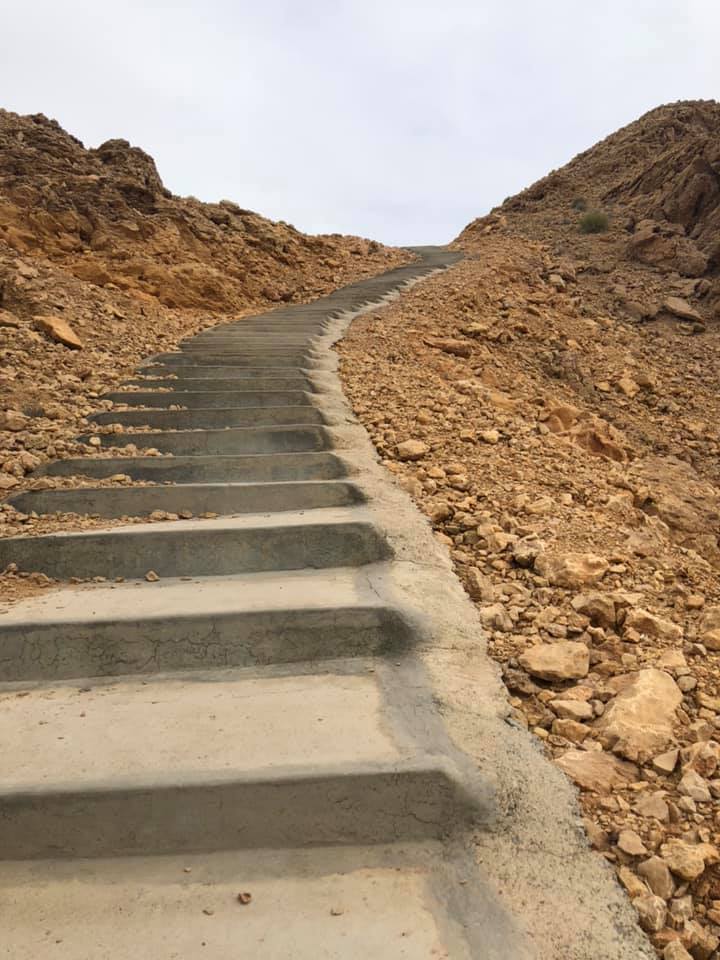
If you are up for a challenge then this is the hike for you! Saal Steps is situated in the Saal village, 35 km out of Muscat. Now I’m going to be honest this is not an easy place to find. I have done this hike 3 times and drove around in circles the first 2 times. Getting to Saal village is easy enough, once you have passed all the houses and reached the end of the road, turn right onto the dirt road and drive 2km straight ahead. On the right hand side midway up a mountain you will see some stairs. Do not expect the steps to start at the bottom of the mountain like I did, look at the satellite at the top, the steps are just below. There is a makeshift car park where the hike starts and if you are lucky there might be a car or 2 already parked, which will help you to locate the start.
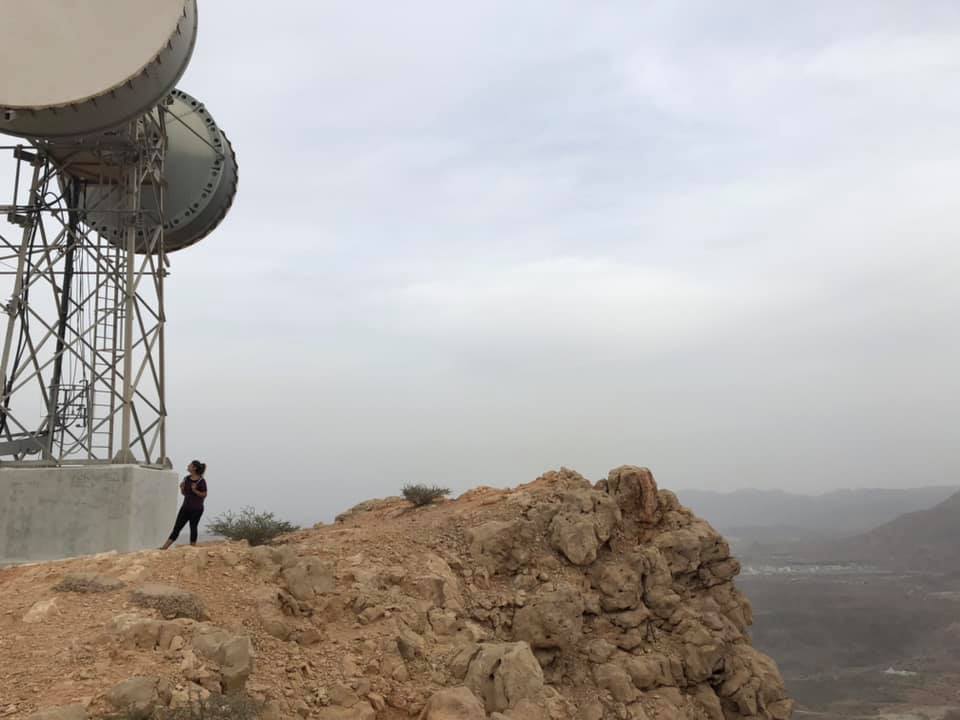
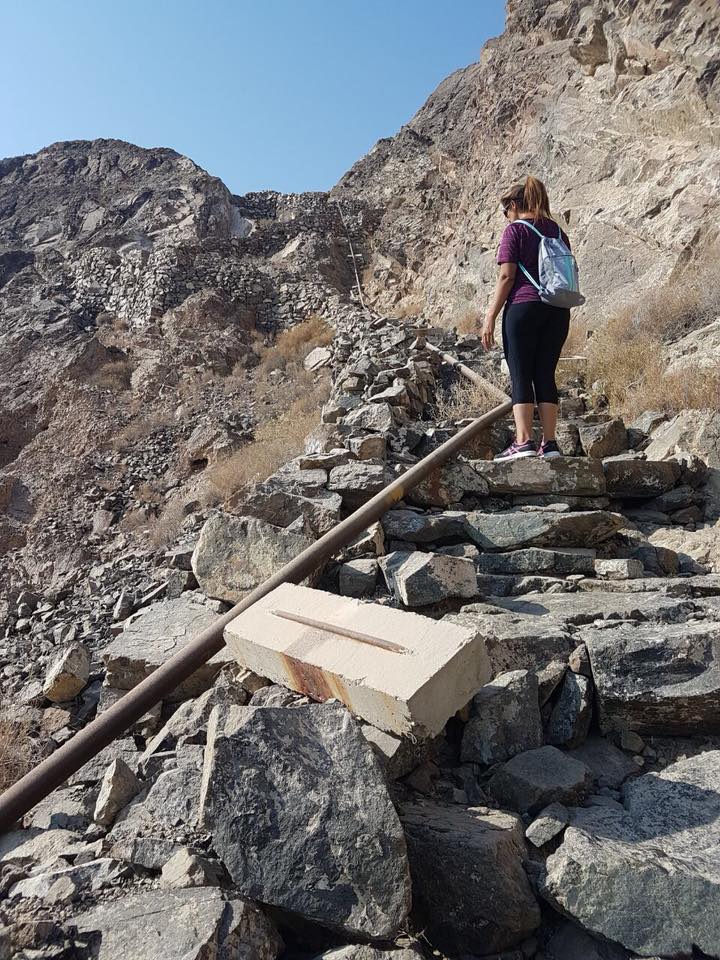
This hike is all up hill, make sure to wear sturdy shoes there are lots of loose rocks. I always found getting to the steps the most challenging, once you get to them, someone has sprayed 626 on the first step, so you can count your way up. This concrete stairway was clearly constructed to help workers make their way up to the satellite. But now they are used as an unofficial hike or workout. It takes just under an hour to reach the top if you hike at an average to slow pace and stop for photos. Once you reach the top, the breathtaking view is well worth the uphill hike.
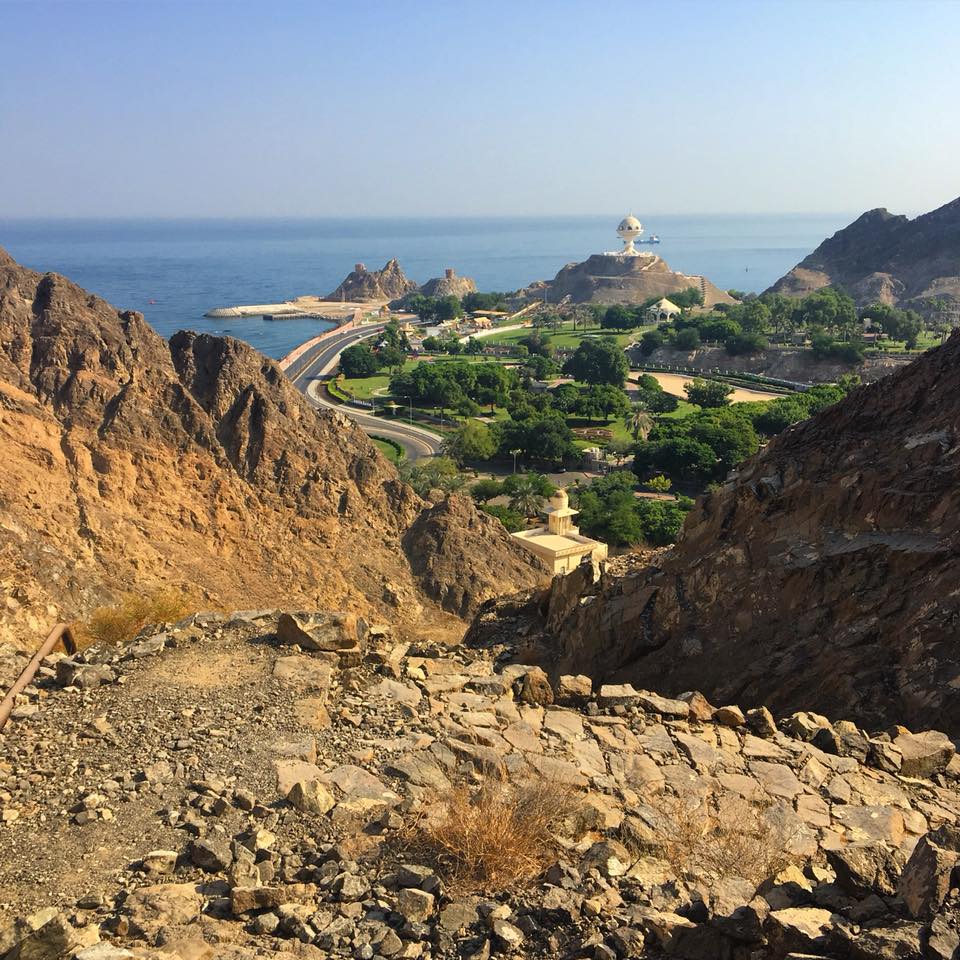
Muttrah (C38) Hike
National trail marker
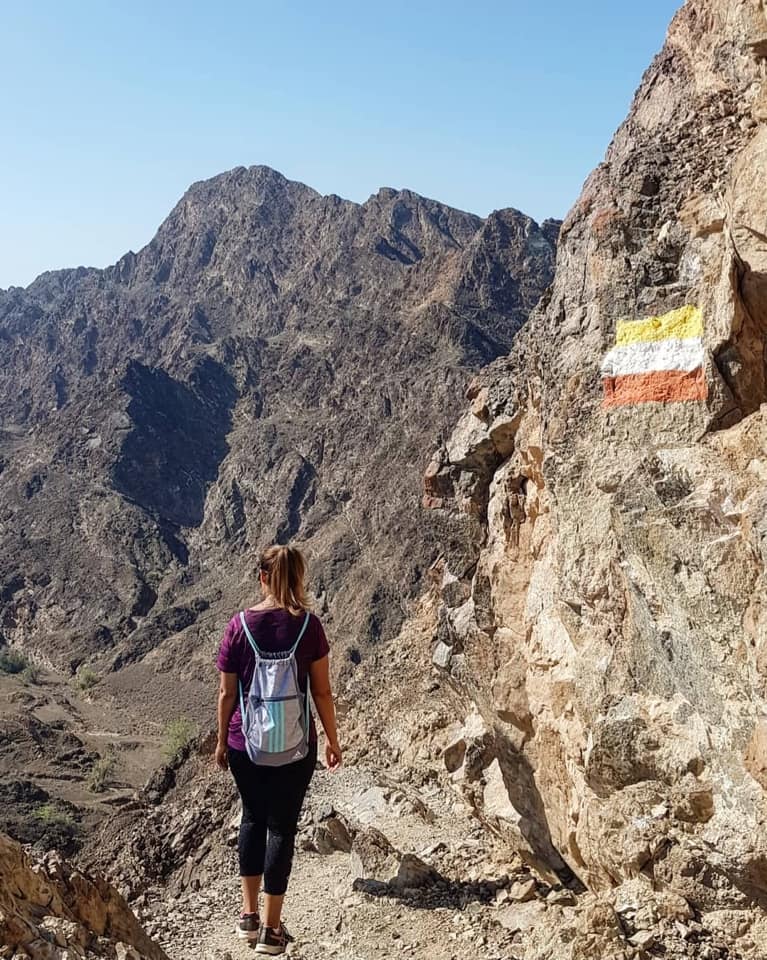
Now this hike is in the heart of Muscat, close to the Mutrah Souq and has national trail markers painted along the way to guide you from the start to the finish. It is fairly easy to find and complete, I would recommend this to anyone visiting the Mutrah area.
Hiking route
Drive past the souq towards a car park on the right hand side next to a children’s playground. Walk from the car park and turn right towards some houses and you will see a large brown/red sign indicating the start of the hike. The first part of the hike is the most challenging, climb straight up some stone steps and once you reach the top you will be greeted by an amazing view of the sea and port. From here the hike is fairly easy, just keep following the trail markers which take you past many stunning view points and into a shallow wadi, depending on the time of the year, you might find tadpoles and frogs. Once you reach the end there will be a big dam wall, don’t walk towards it but instead hike up your left hand side, which will lead you into a graveyard. From there just walk out towards the corniche and back to the carpark. This is quite a short and easy hike with some stunning viewpoints.
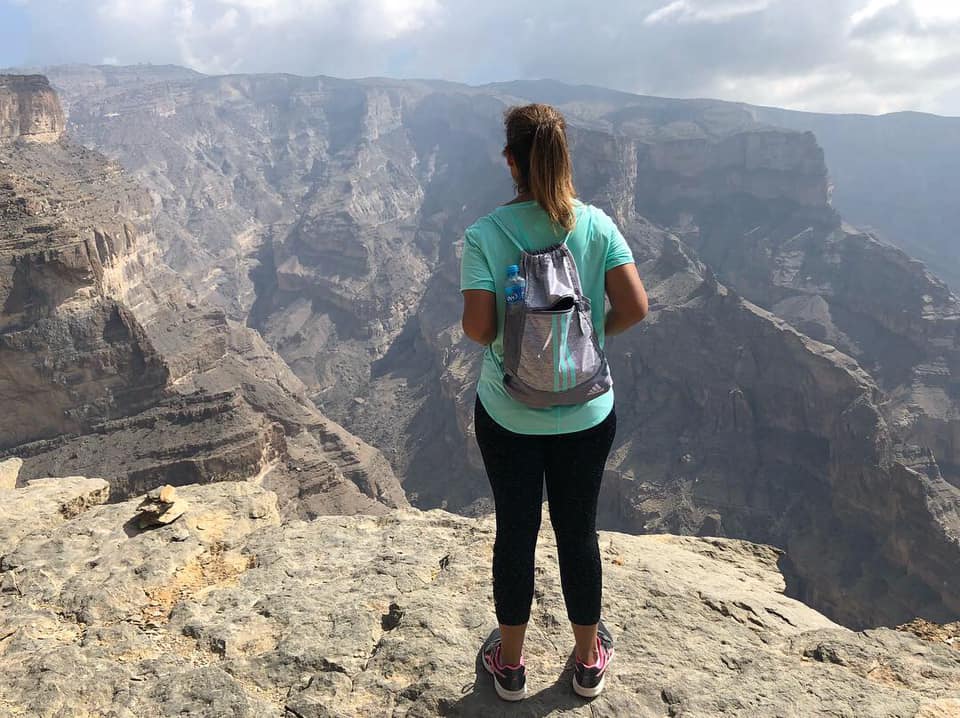
Jebel Sham’s balcony Walk
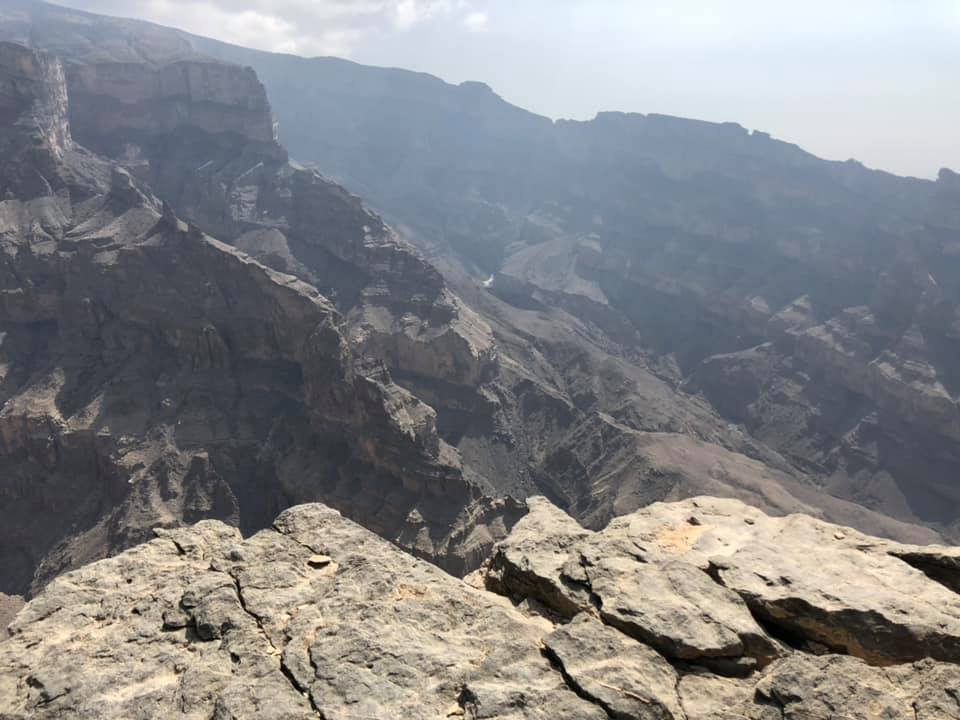
The most breathtaking view!
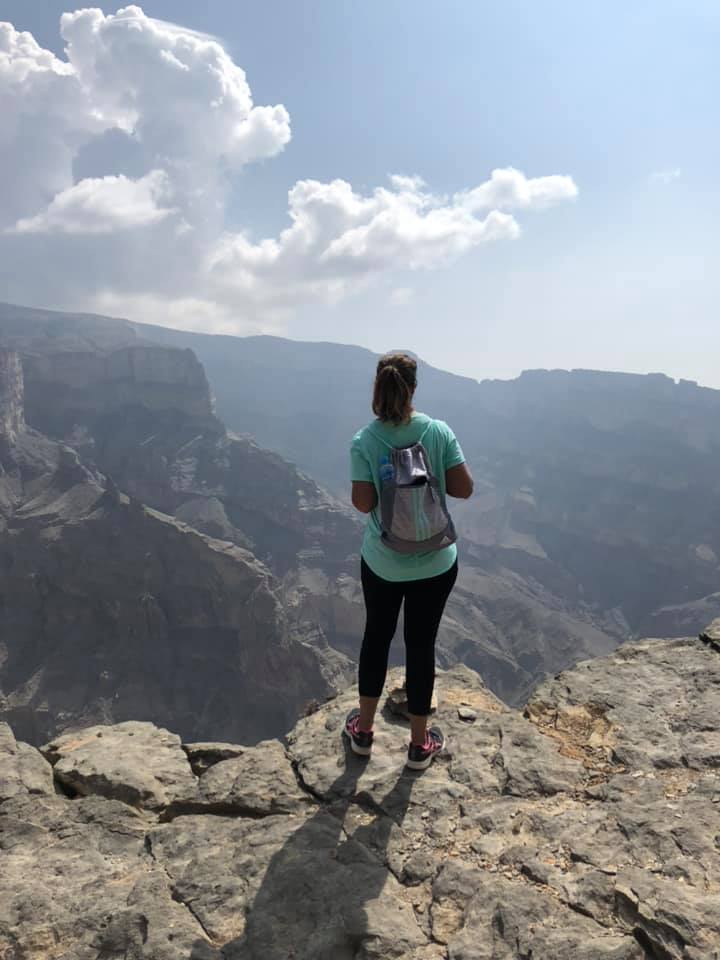
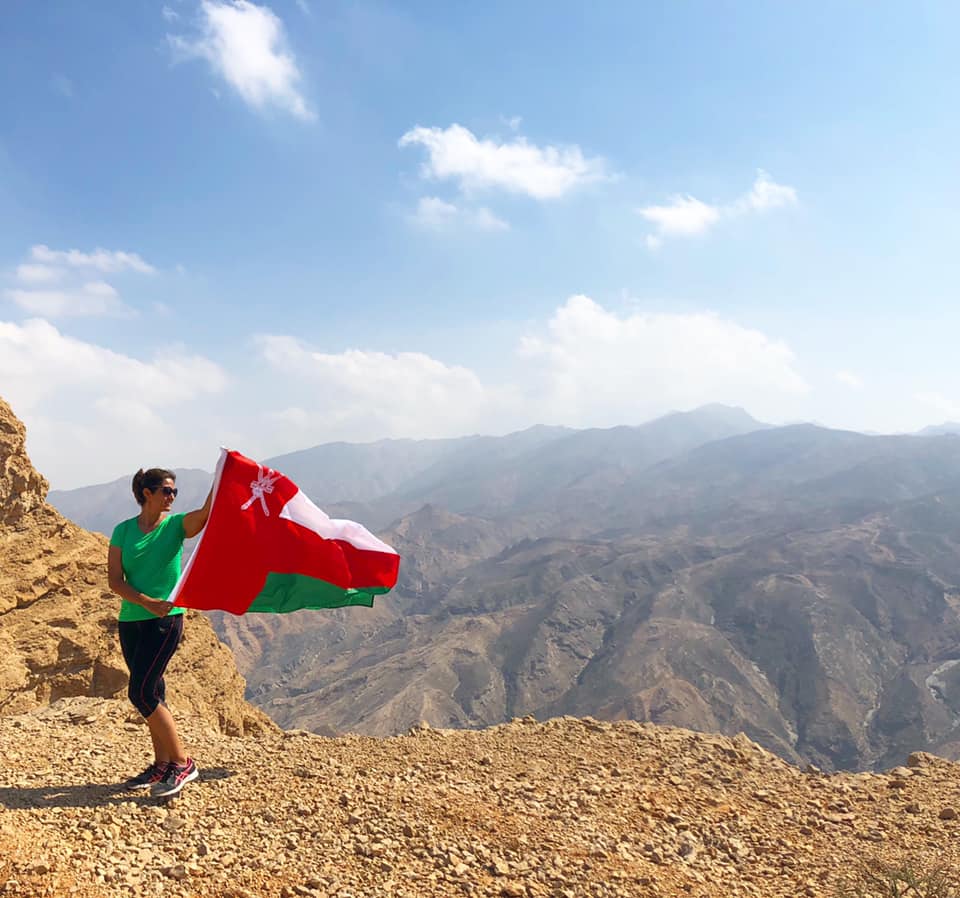
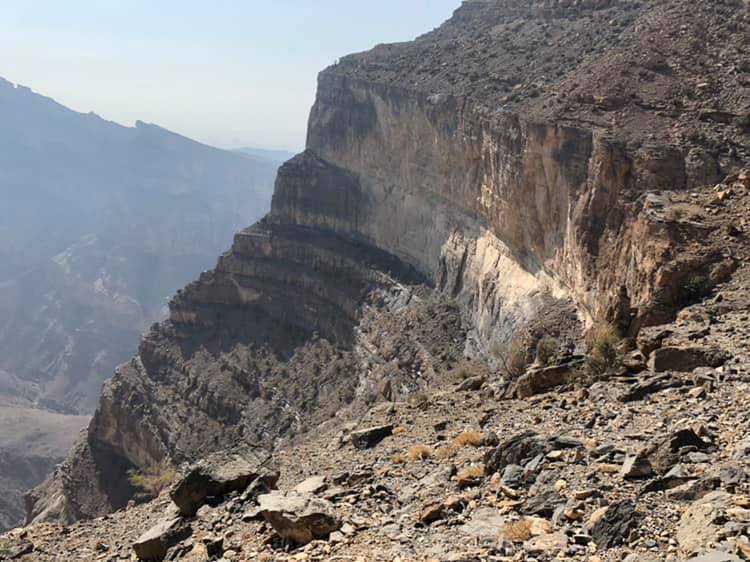
This is one of the most breathtaking hikes in Oman. Jebel Shams is the highest mountain in Oman and known as the Grand Canyon of the Middle East. Located 240 km from Muscat, drive 2 hours towards Bahla and once you arrive there, you will start a 1 hour ascent up Jebel Shams. A 4×4 is required to drive up, people have driven up in saloon cars but personally I would not recommend this as the road is bumpy, gravely, uphill and can be dangerous. There are hotels and camps in Jebel Shams if you want to stay overnight.
The balcony walk is quite straightforward and just like the name states it does feel like walking across a giant balcony with the most spectacular view. The hike will head towards the ruins of an abandoned village and it is completely up to you how much of the hike you want to complete. If you come to Oman just once in your life, please visit this place, it is one of Oman’s biggest highlights. The added bonus is the temperature in Jebel Shams is always a lot lower than the rest of the country, which makes hiking so much easier in the warmer months.
Yiti Beach Hike
Viewpoint from the peak of the hike.
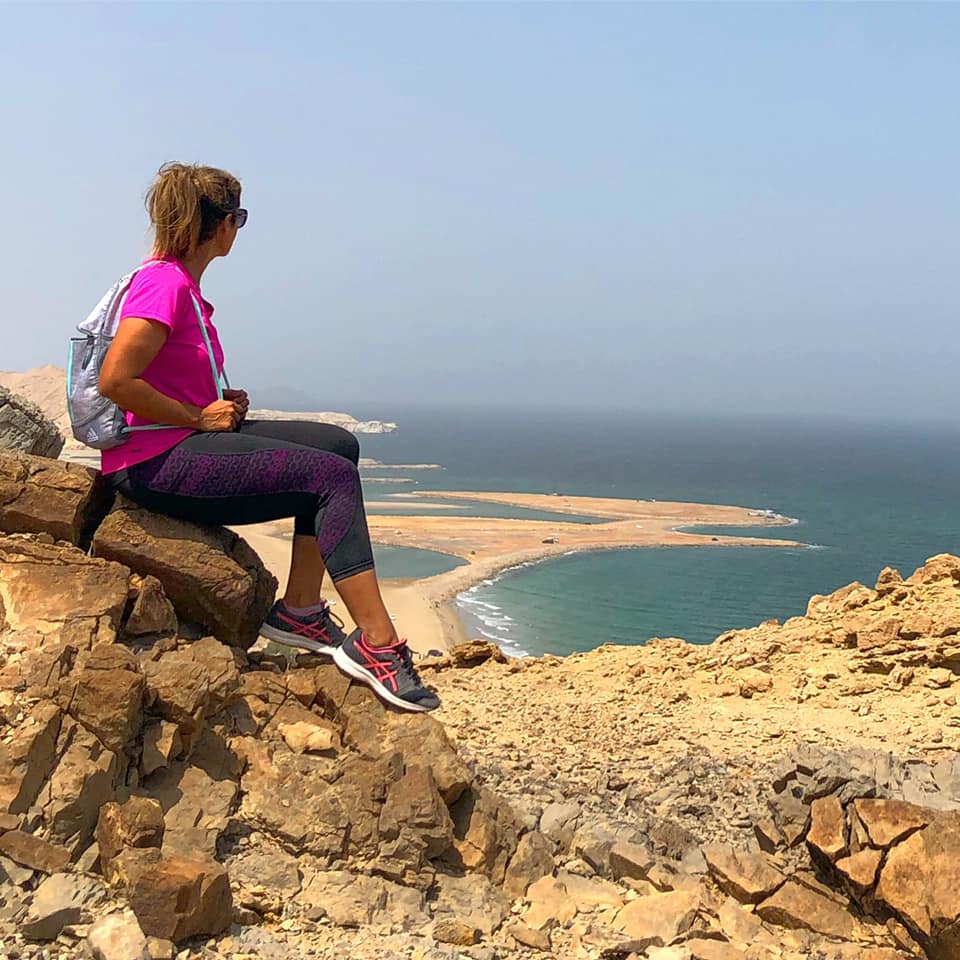
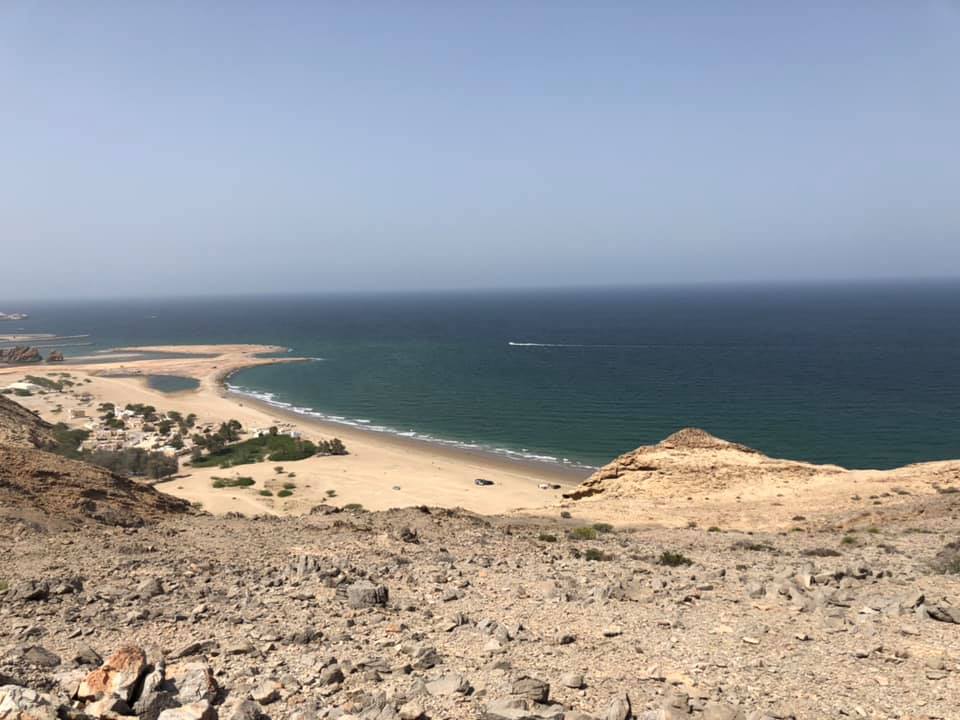
Yiti beach and Bandar Khayran are in close proximity to each other. Yiti has quite a few trails and you can follow whichever one you want or just make one up like I did. Following waze it took me about 35 minutes to get to Yiti beach from Muscat. Once I got there I decided to climb up the steep mountains that were overlooking the beach. Now this is not how most people hike here. Normally you would hike from the back and arrive at the peak of the mountain to the stunning view of the beach. But like I said it’s completely up to you as the beautiful view from the top will still be the same. Once the hike is completed, you can relax on the beautiful beach and have a picnic or go for a swim. Again just be careful of the loose rocks and goats; bring flip flops with you for the beach.
Jebal Akhdar – W18b
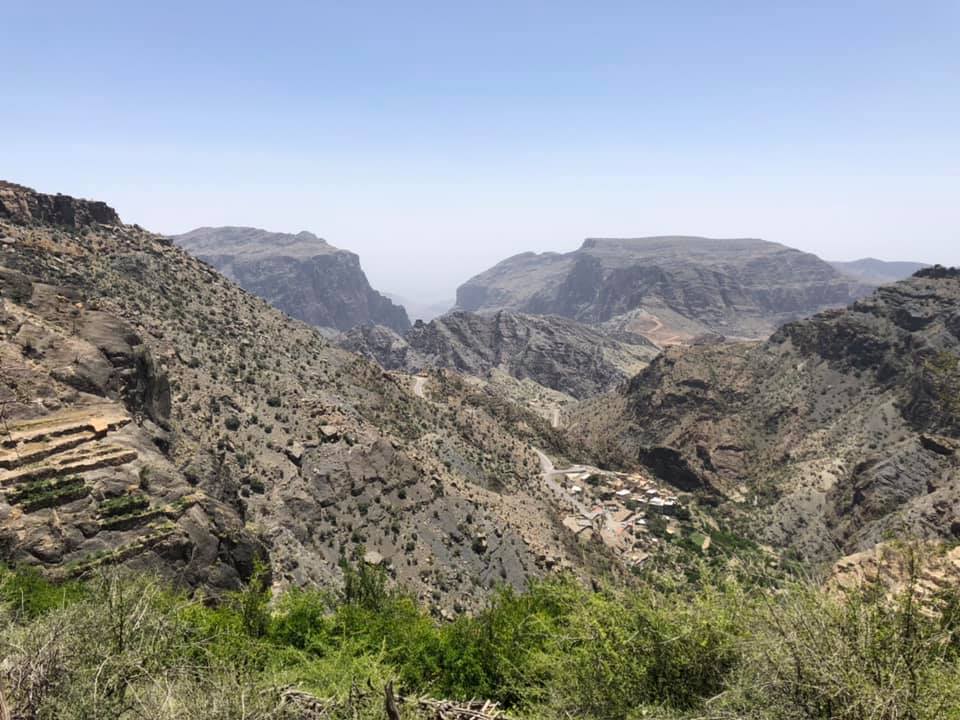
Jebel Akhdar showcases the best of Oman and that’s what makes it a must see place. Jebel Akhdar means the ‘Green Mountain’ and is part of the Hajar range, situated 2000 meters above sea level. A 4×4 is required to reach Jebel Akhdar, there is a police check point before you start the ascent up and a regular saloon car will be declined access.
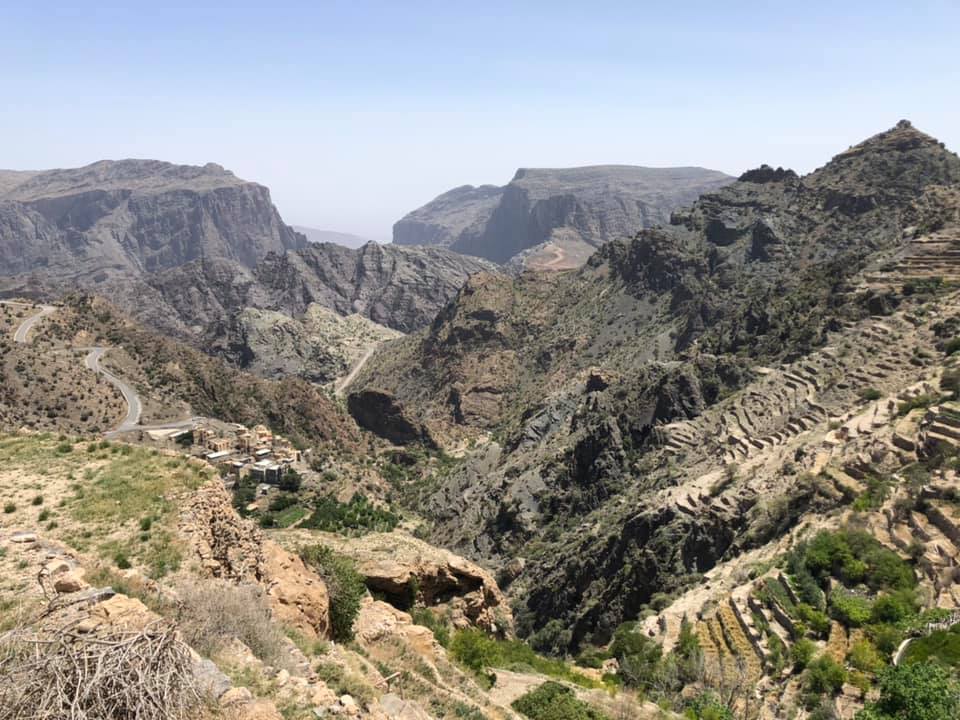
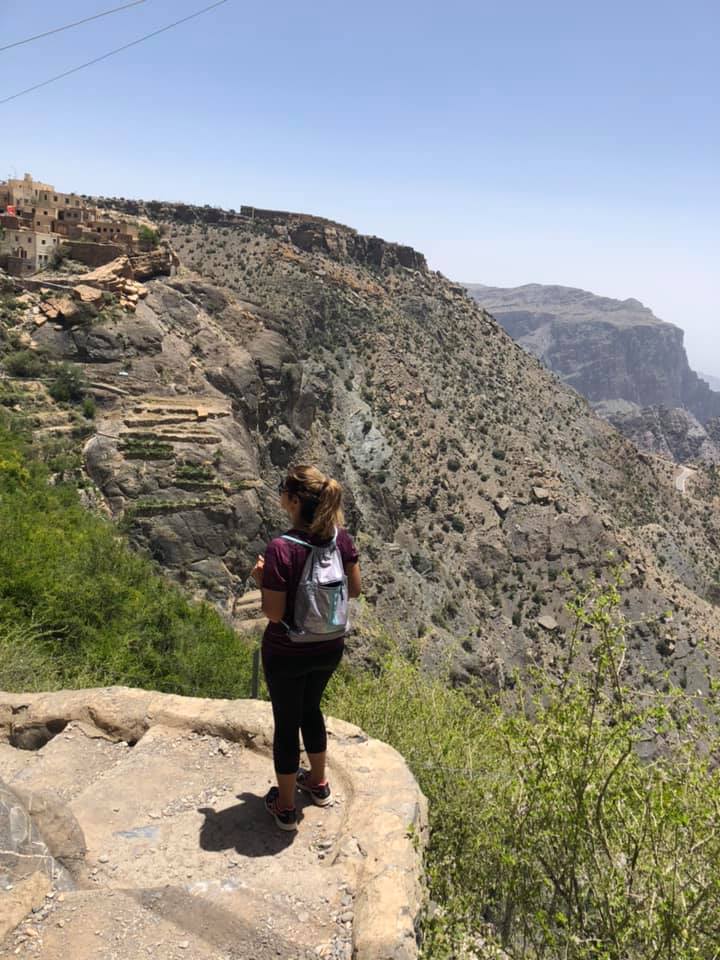
There are a few luxury hotels on the mountain range and quite a few trail marked hiking and trekking routes. We only went for the day and decided to do the W18b hike before having a late lunch at one of the hotels. This is a picturesque terrace hike that will take you through villages, farms and wadis.
The hike starts quite close to Anantara hotel and ends at a rose water distillation plant, it should take between 7 to 8 hours but it’s completely up to you how much you want to complete and head back, as the hike is only one way and not a loop.
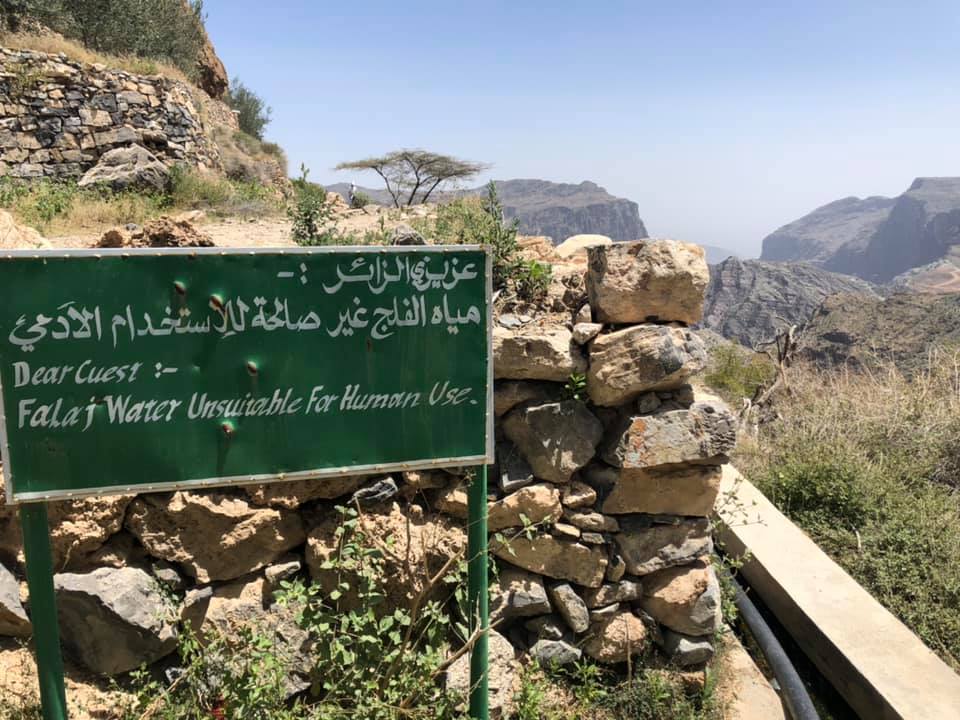
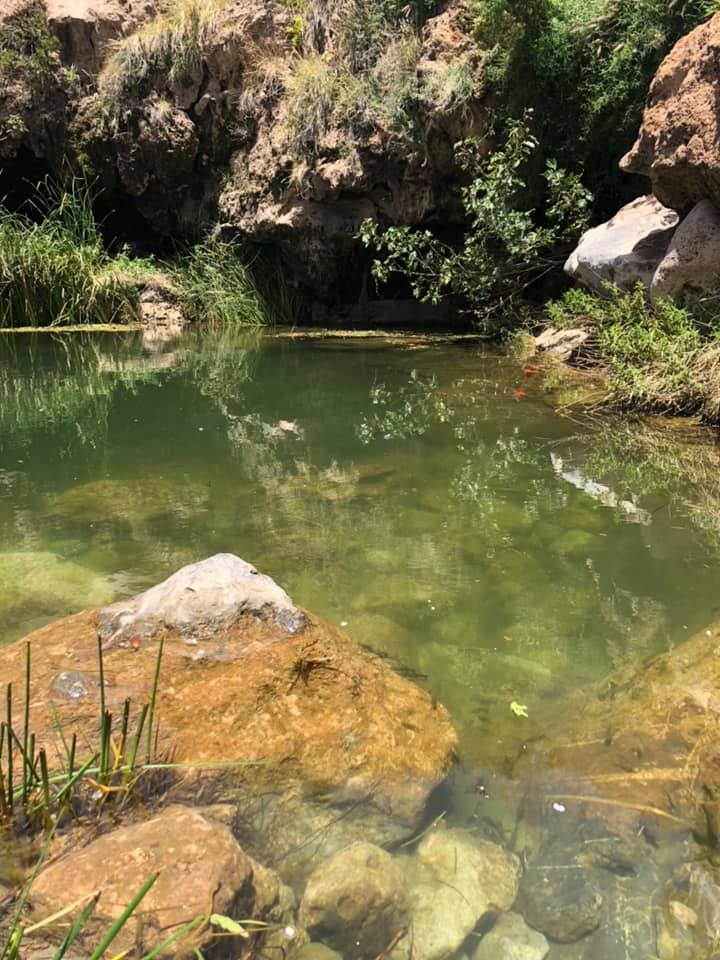
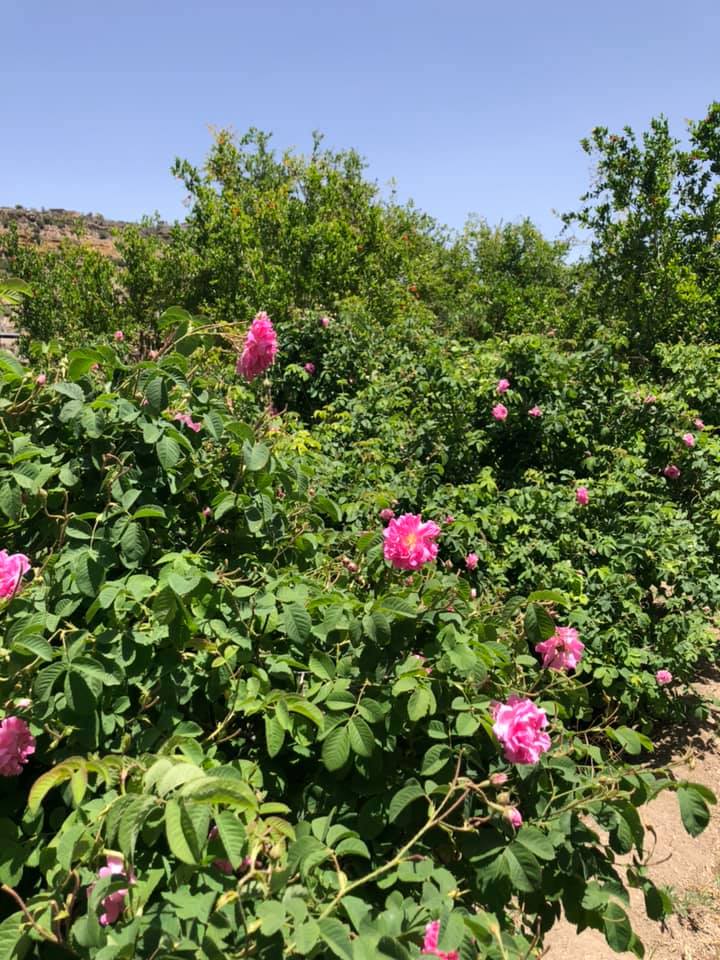
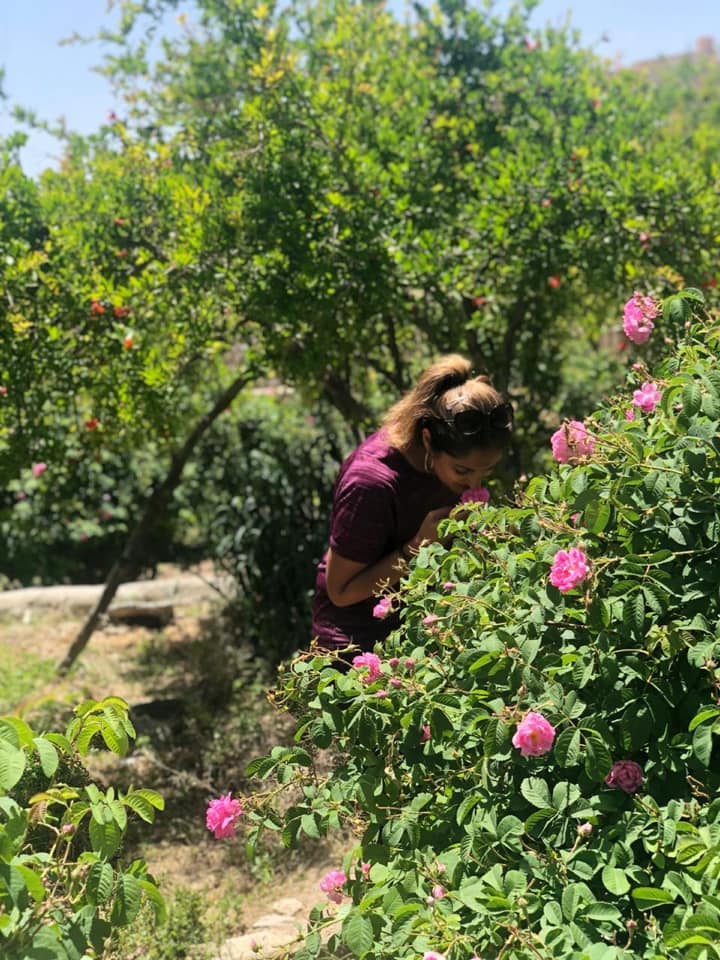
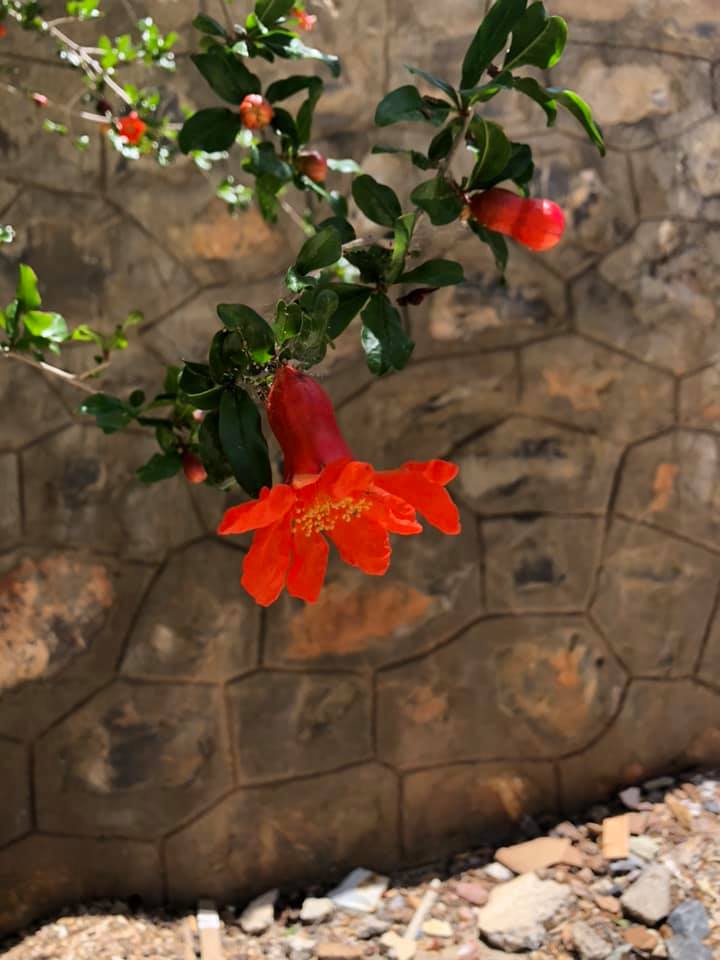
I could not recommend this hike enough, you will walk pass such a variety of crops and vegetation, depending on the time of the year. In April we saw pomegranate, apricot, walnut, olive and fig trees. It was Damask rose season and the whole place was covered in beautiful pink roses, which are used to make rose water. The villages still use the Falaj system to water their crops, this is an original Omani irrigation system, deep-rooted in the country’s land and history.
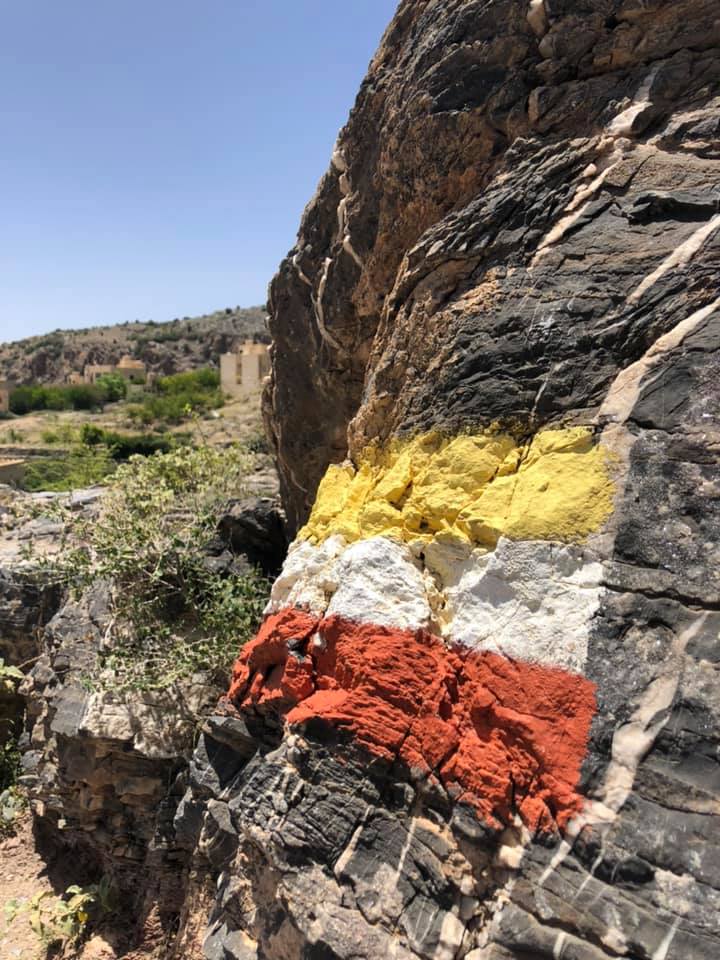
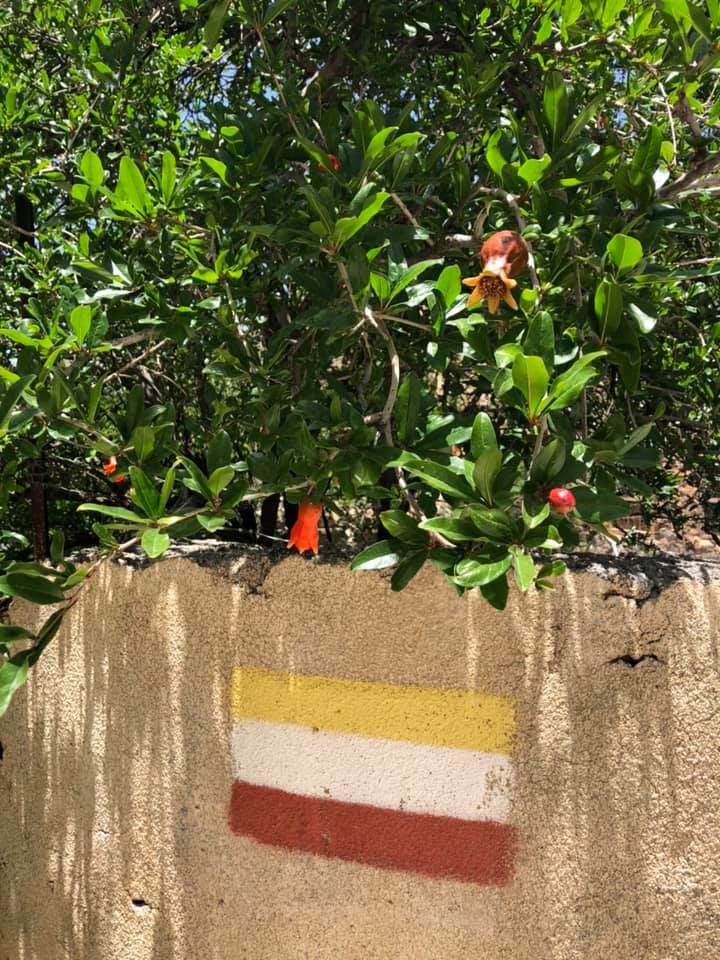
The whole hike is marked with national trail markers, a friend of mine was part of a project that initiated setting up hiking routes in Jebel Akhdar and painting the trail markers. This is one of the reasons this hike is so user friendly.
Things to know before hiking in Oman:
Oman is a desert and extremely hot for most of the year. Always take plenty of water and sugary drinks with you to prevent dehydration.
You will be in direct sunlight, so remember to wear sun cream and a hat if needed.
Wear good sturdy shoes, as there will always be lots of loose rocks on most of the hikes.
If you are not an experienced hiker always take someone with you and inform others of your exact location. Some of these places can be uninhabited and secluded.
Pratical Tip 1: Invest in a ‘Jordan Pass’! Go online and buy yourself a Jordan Pass, it will cost you between 70 to 80 Jordanian dinar (80 – 90 British pounds) depending on how many days you want to spend in Petra. The pass will get you entry into almost all the big tourist sites and includes the visa fee for Jordan. One day entry into Petra is 50JD and visa fee is 40JD, so you are already onto a winner. https://www.jordanpass.jo/
February 2019 – Starting at Amman
I arrived late at night and got through immigration remarkably quickly! Mainly Jordanians on my flight from Muscat, so there was only a couple of us requiring a visa. I had already pre booked a transfer with my hotel, so my arrival into Jordan ran pleasantly smooth.
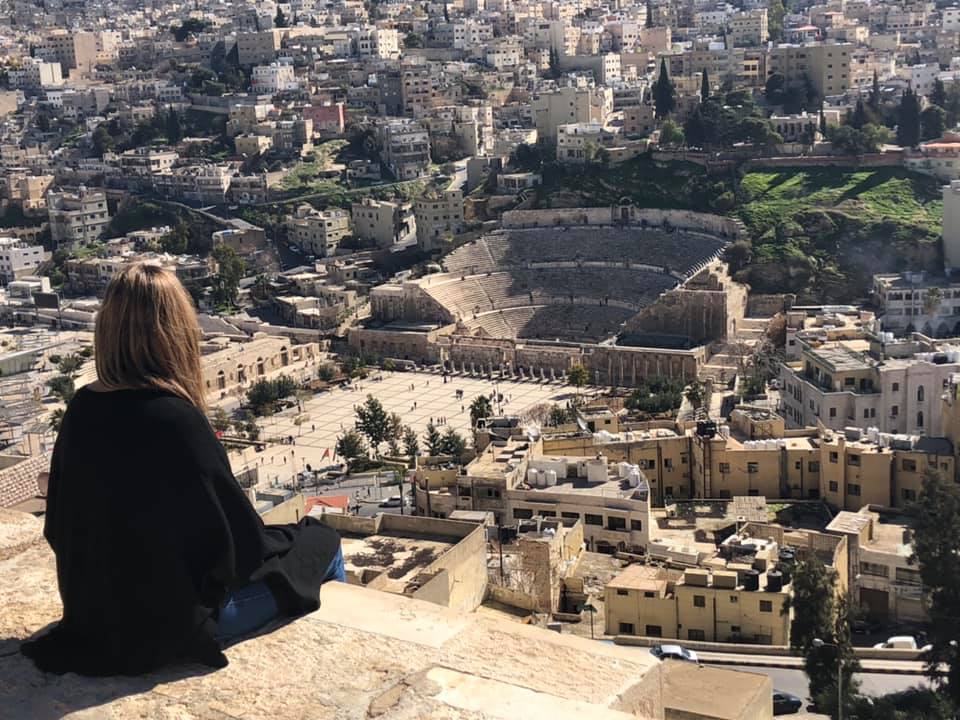
View from the Amman Citadel
Day 1 – Walking tour of Amman
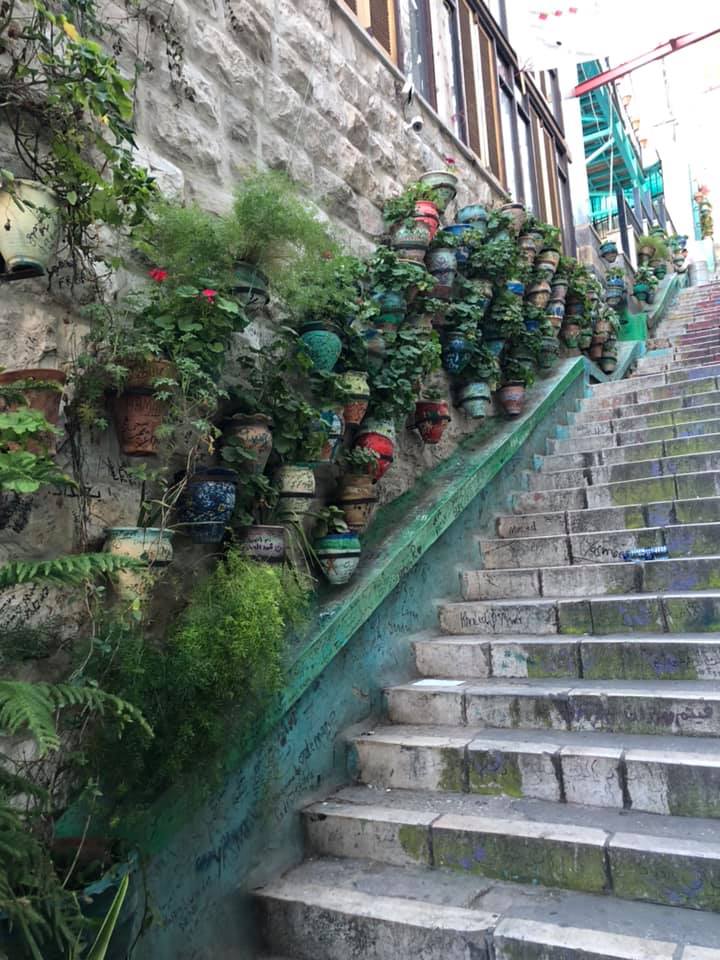
I wanted a walking tour of Amman as I am a keen walker and love to explore new places on foot. Before arriving in Jordan I had booked myself a guide online after reading many reviews. My guide met me at the hotel and we started the tour by heading to Amman citadel, even in February the place was reasonably packed with tourists, it was very interesting looking at the roman ruins and you got an amazing panoramic view of Amman, the new building mixed with ancient Roman ruins. We walked to the roman theatre and passed beautiful art shops, could not resist buying a painting from a local artist. The amphitheatre is quite a sight, again the views from the top are breathtaking. Visited a few museums on Jordan history, culture and customs. Next visited the market ( perfect if you are looking for a bargain). Asked my guide to take me to the place that sells the best kunafa ( Jordanian dessert) and ofcourse he obliged. If in Amman please try the kunafa at Habibah. Followed by Lunch in a beautiful cafe called Zajal and onto Rainbow street, which is a perfect hang out place for tourists, full of coffee shops and restaurants. All in all it was a lovely first day in Jordan.
Day 2 – Jerash
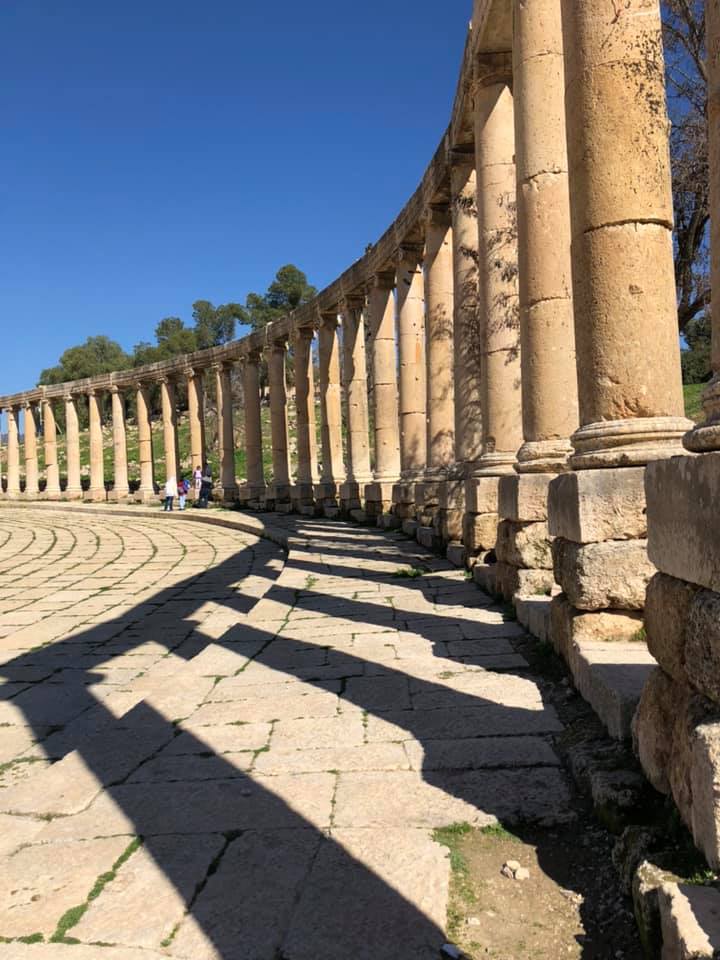
Sticking with my guide from the previous day I decided to explore Jerash for the day, it is about an hours drive out of Amman and is one of the most intact Roman cities outside of Rome. If you are into photography, this place is great for getting shots of ancient ruins. I learned so much that day about Jordanian history, culture and agriculture. Once I got all my photos, we drove back to Amman just in time for dinner, I did enjoy all the food in Amman.
Pratical Tip 2: JETT buses is a great way of getting around Jordan especially if you want to travel from Amman to Petra. When I say bus it’s more like what we call in the UK a coach. It departs from Amman at 6.30am and arrives at Petra visitors centre at 10.30am. Extremely efficient, reliable and comfortable way to travel to Petra if you are a solo traveller. A single ticket to Petra costs 11 JD and return is 18 JD. If you have plenty of time and are planning on staying in Petra for a few days then this is the best way to travel there. The bus leaves from the Car park in Petra at 4.30pm for Amman if you just want to visit for 1 day ( I would not recommend this as Petra covers a large area and you will need time to explore all of it).
Day 3 – Travel to Petra and the night show
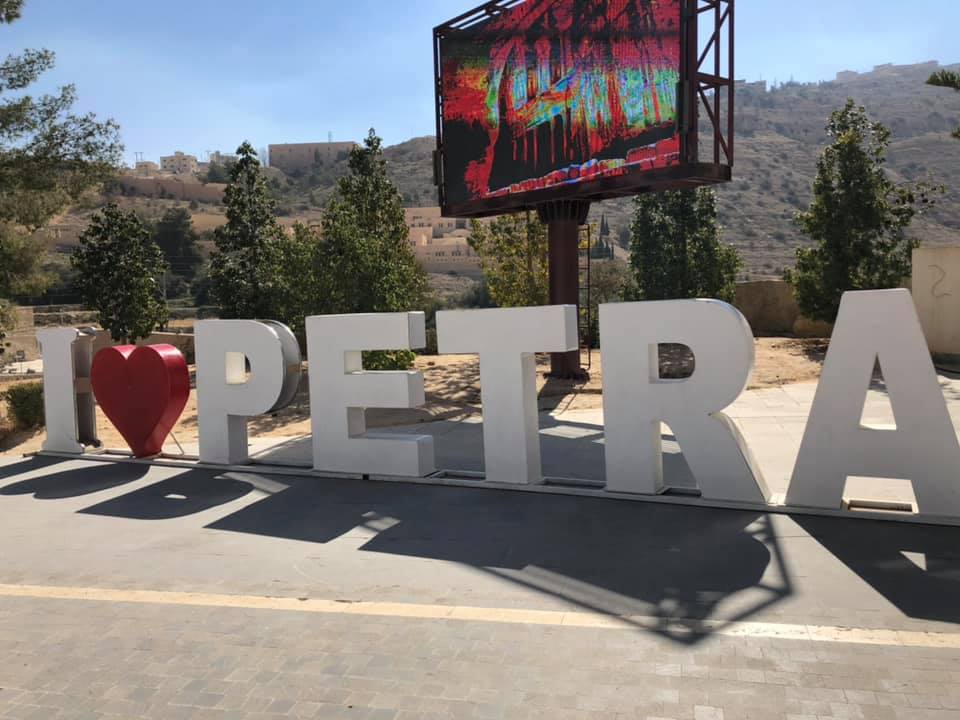
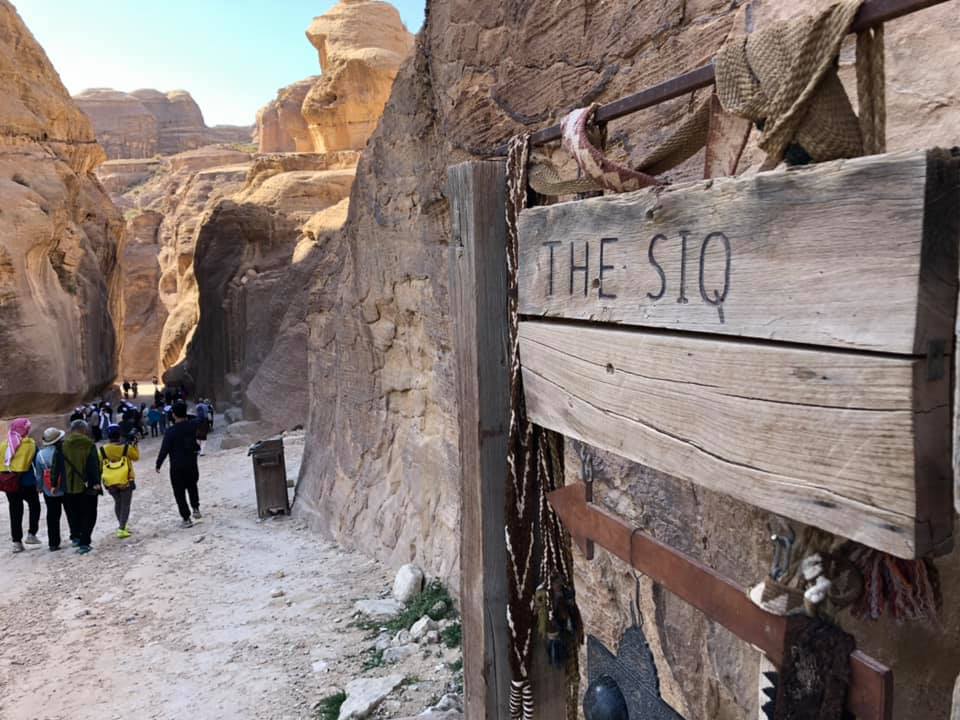
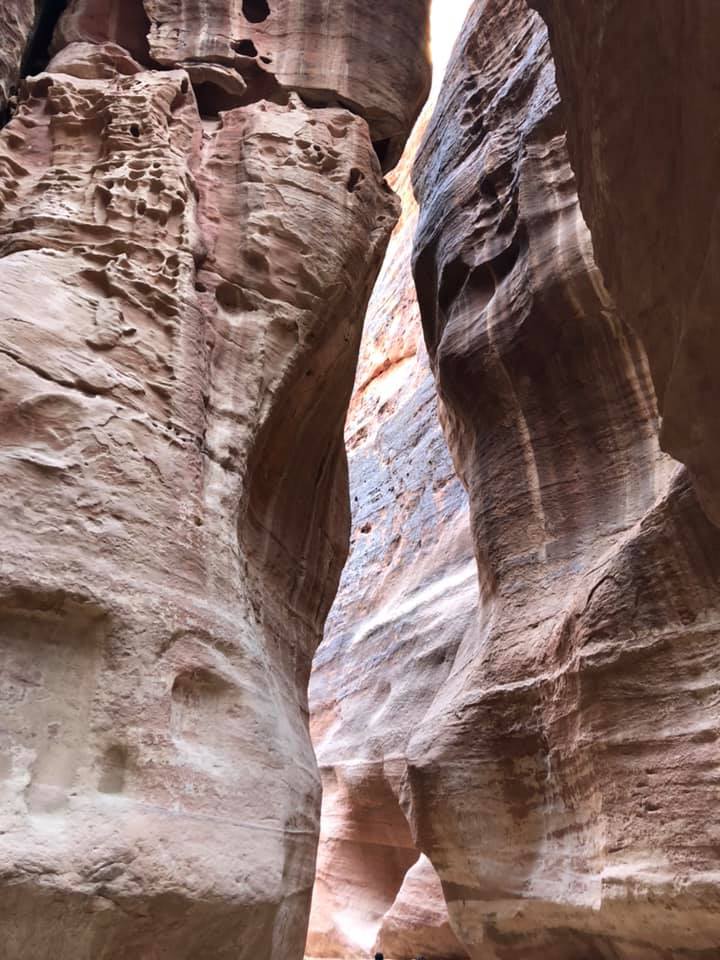
Woke up early to travel to Petra. Took the JETT bus at 6.30am to Petra (read practical tips). Arrived at the car park in Petra at exactly 10.30am. With my suitcase in tow I went to the visitors centre to buy my ticket for ‘Petra at night’ show. I then took short taxi ride to my hotel which was situated on a hill. Once I checked in I decided to explore some of Petra by myself on foot. I walked from my hotel down to Petra’s Visitors centre, no need to queue for a ticket as I had my Jordan pass. I walked through the siq to the famous treasury. It was about a 3 km walk with plenty of sites and photo opportunities.
Start of the walk into the Siq
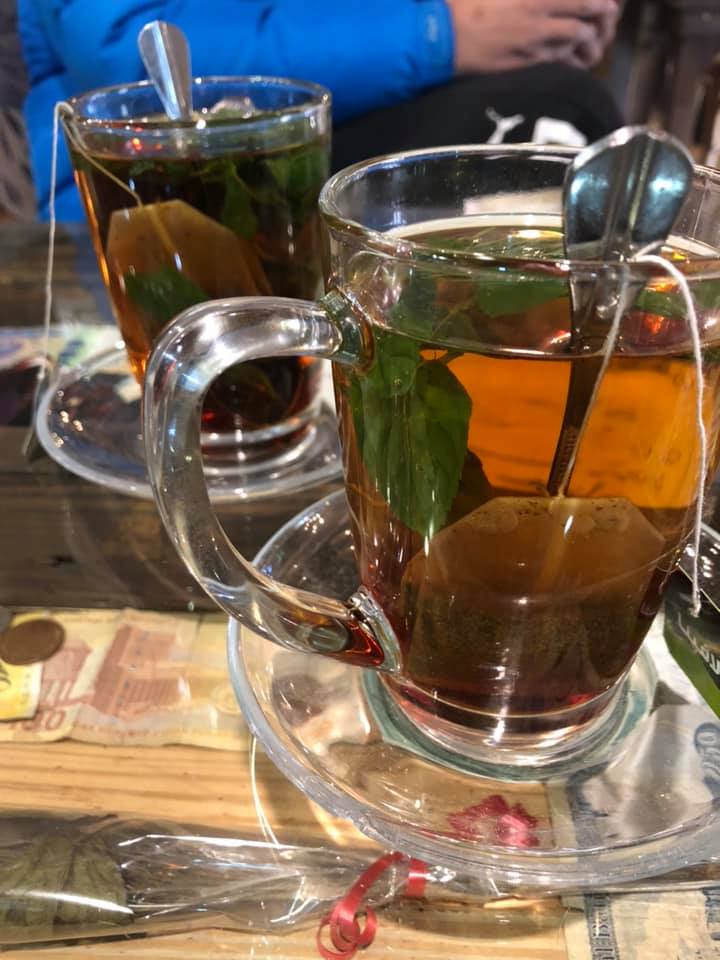
The walk through the siq is quite a surreal experience, you are basically walking through a gap between 2 mountains. Even though I was by myself I did not feel unsafe at any point. I had done my research and knew to avoid local Bedouins offering free horse rides and souvenirs. Once you arrive at the treasury you will be in or of just how majestic it looks. As February isn’t really tourist season, I was able to buy a cup of tea and sit down in front of the treasury to enjoy my tea and the view. I decided to head back to my hotel as I wanted some dinner before the night show.
I was able to get a taxi from my hotel to take me and pick me up from Petra for the night show ( as I didn’t want to walk in the dark on my own).
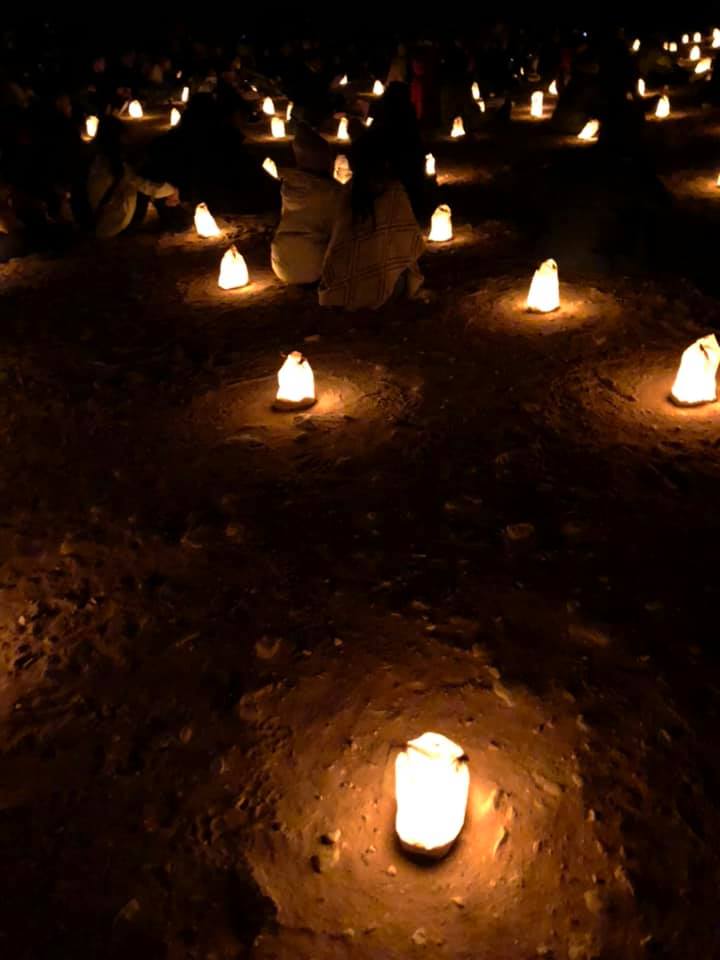
Petra at night show isn’t much of a show to be honest but just the experience of walking through the siq at night using candle light to guide your way is well worth it. And if you have a good camera you can capture some amazing photos of the treasury at night. It was 10.30pm by the time we walked back to the visitors centre and my taxi was waiting for me. After a shower it was straight to bed for me as I had another early start the following morning.
Day 4 – Wadi Rum
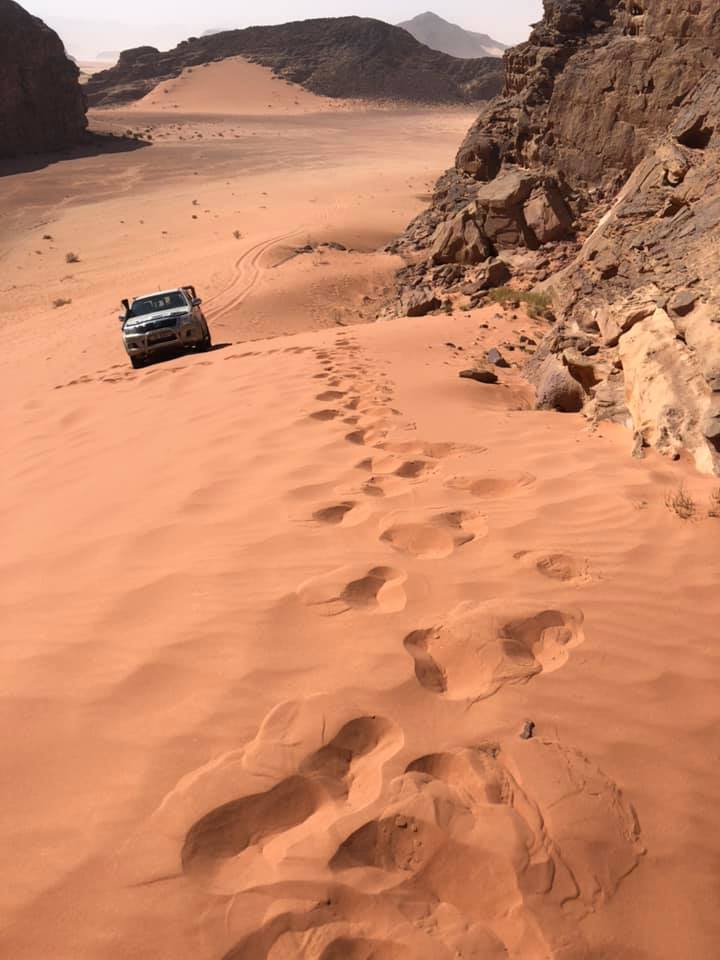
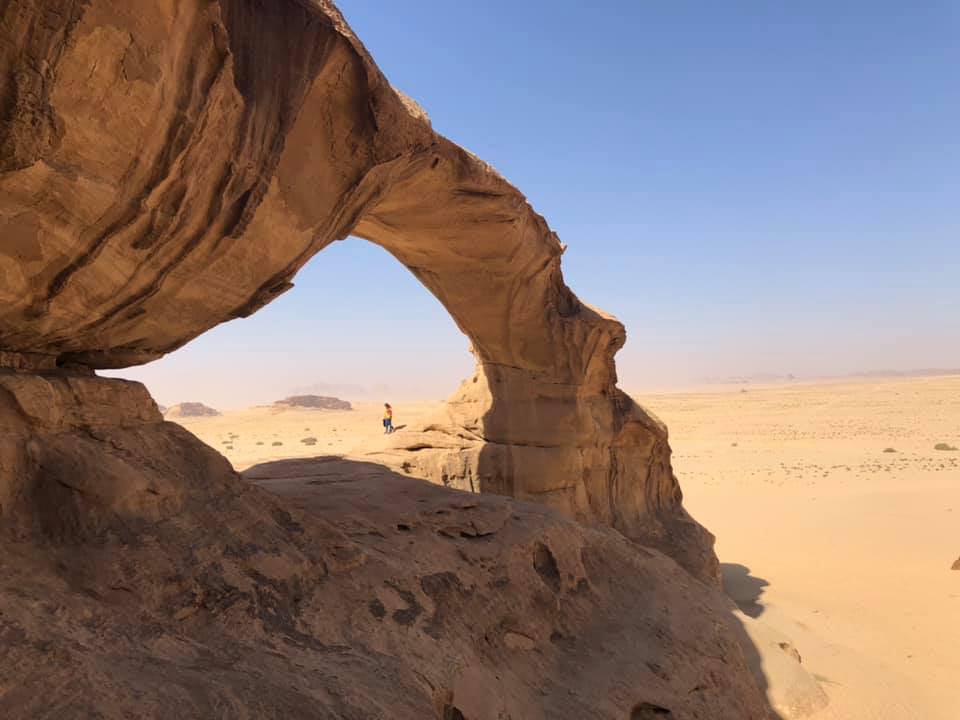
Through a friend’s recommendation I had booked a guide to take me to wadi Rum. Wadi Rum is about an hours drive from Petra, I would advise you to travel from Petra rather than driving all the way from Amman. At this point I had been living in Oman for about 1 and a half years and seen many wadis, did I really want to see another one? This was the conversation I had with myself and I’m so glad I decided to check it out. It is completely different to the wadis in Oman. Mainly made out of sandstones, it has been used as a location for many films (lawrence of Arabia and Marations to mention a few). It has an amazing history and is the perfect location for amazing and surreal photos. This is a world heritage site but as my guide informed me, many local people and companies are not preserving it and a lot of large construction companies steal sandstone from there.
Day 5 – Backward hike through Petra
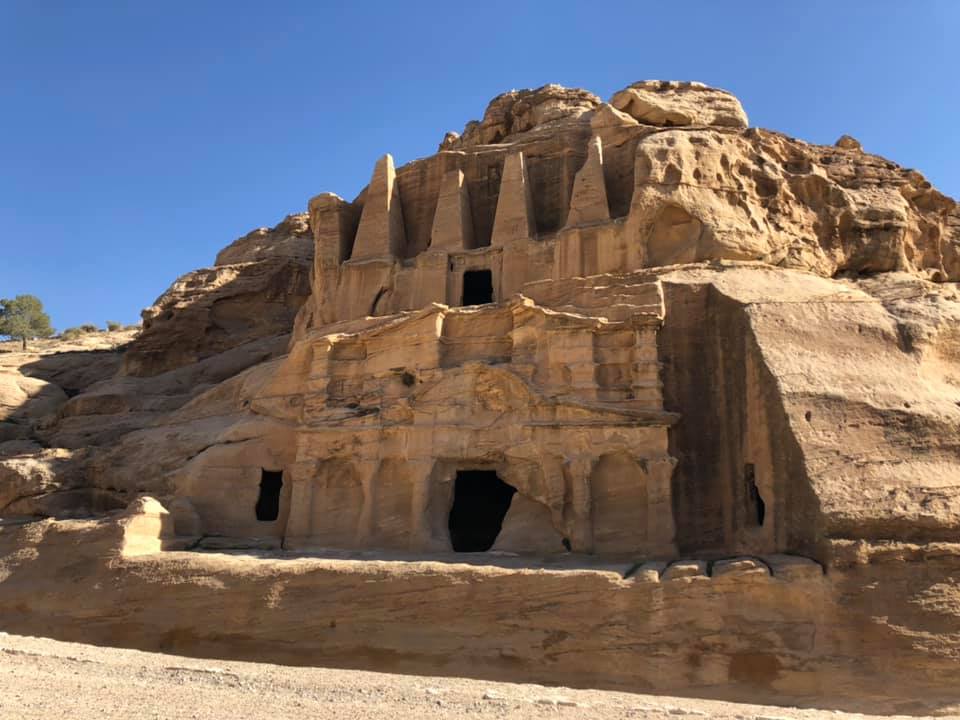
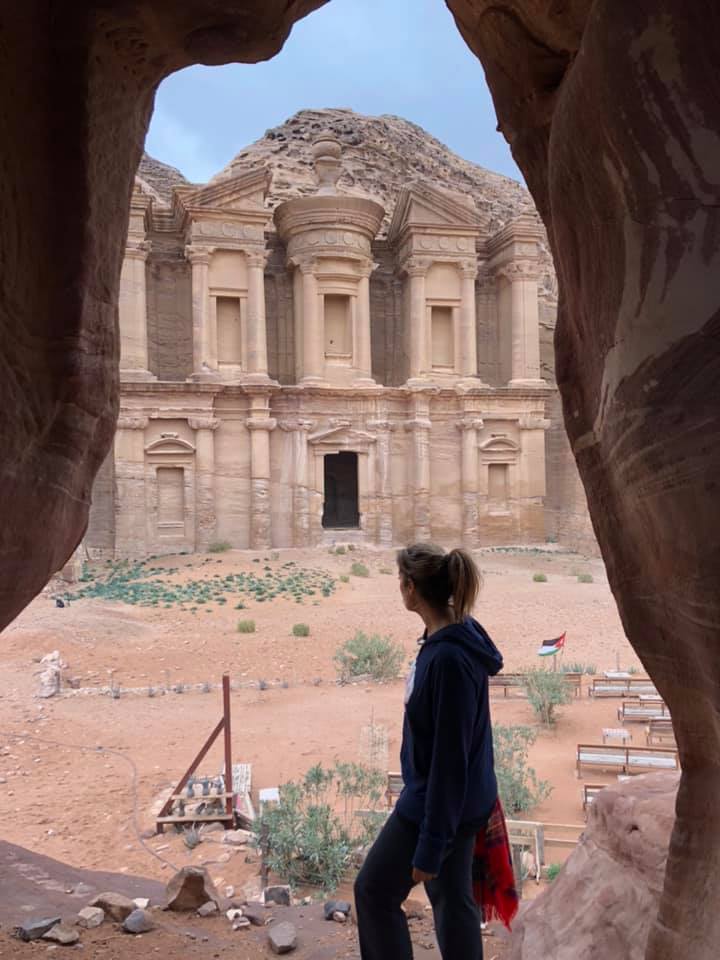
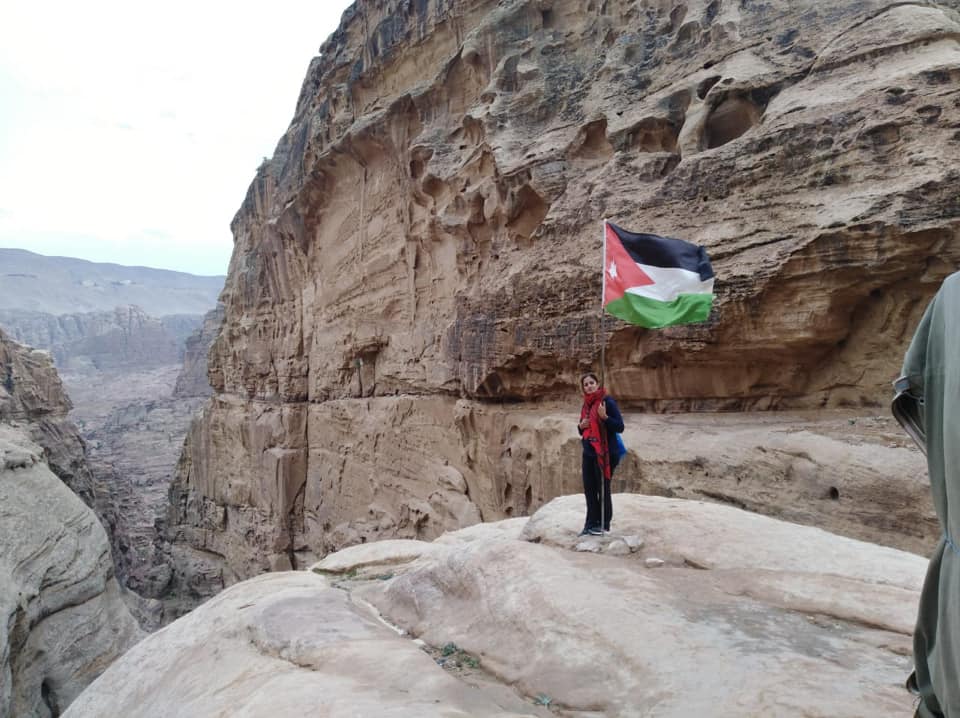
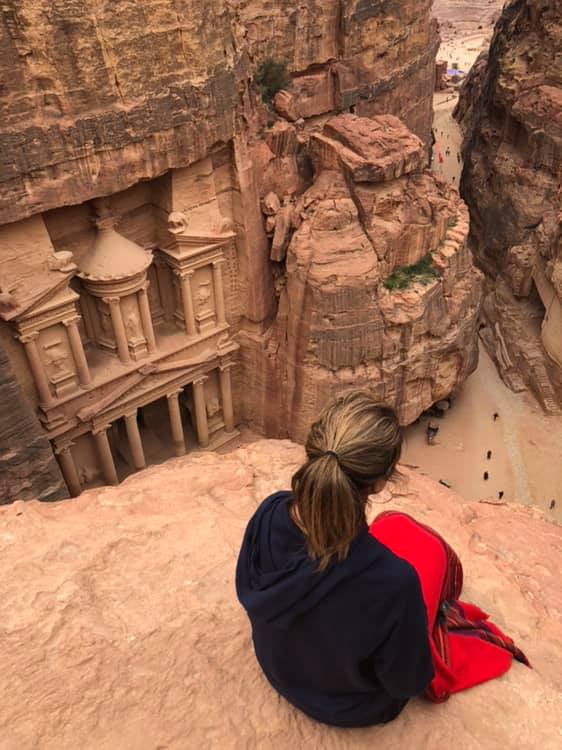
This was my last day in Jordan and I had plenty packed in. Waking up super early to start my hike through Petra, starting from about 2 kms away from the monastery. If you love walking and hiking I would highly recommend starting from the back of Petra, especially if you have already walked through the front into the siq. You would need a guide with a 4×4 to get you to the back and to guide you through. Walking through Petra makes you realise why it was voted as one of the seven wonders of the world. It is an amazing experience that takes you back in time, so much to see, you can easily spend the whole day there. Once we got to the treasury of course I wanted the iconic photo of the treasury from above. There are many different paths you can take to climb up with different views. I followed my guide up not realising it is a bit of a rock climb, make sure to wear sturdy shoes. Once you are at the top, the view is well worth it. My guide advised me to continue the rest of the tour above the siq as I had already seen it from the ground. The views were breathtaking even though it was only a short walk from there to the visitors centre.
Once back at the hotel, I had ordered a transfer to Amman’s airport as I had my flight back home leaving that evening.
An amazing end to a magical holiday.
Jordan can work out to be quite expensive. Here are a few ways to cut down the costs:
Jordan Pass
Travel with JETT bus rather than taxis and transfers especially if you are travelling solo.
Research guides, some of them completely overcharge tourists.
Rent a car from the airport and drive yourself around Jordan.
There are lots of places to visit and explore in Jordan. Below is a list of somes of the places I didn’t visit but are highly recommended:
Mount Nebo – Views of the Jordan Valley, Dead Sea & the hills of Jerusalem from a mountain peak.
Dead Sea – The lowest and most salty of the world’s ocean water bodies.
Practical tip 1: Rent a car from the airport, (if you are flying into Salalah). There is a lot to see in Salalah but please don’t limit yourself, there is a lot more to see on the outskirts of Salalah. After speaking to a few people and doing my research I decided renting a car was the best option for me to get around to all the places I wanted to see and explore. I picked my car up at the airport and drove myself to my hotel in the city.
Day 1 – Taqah
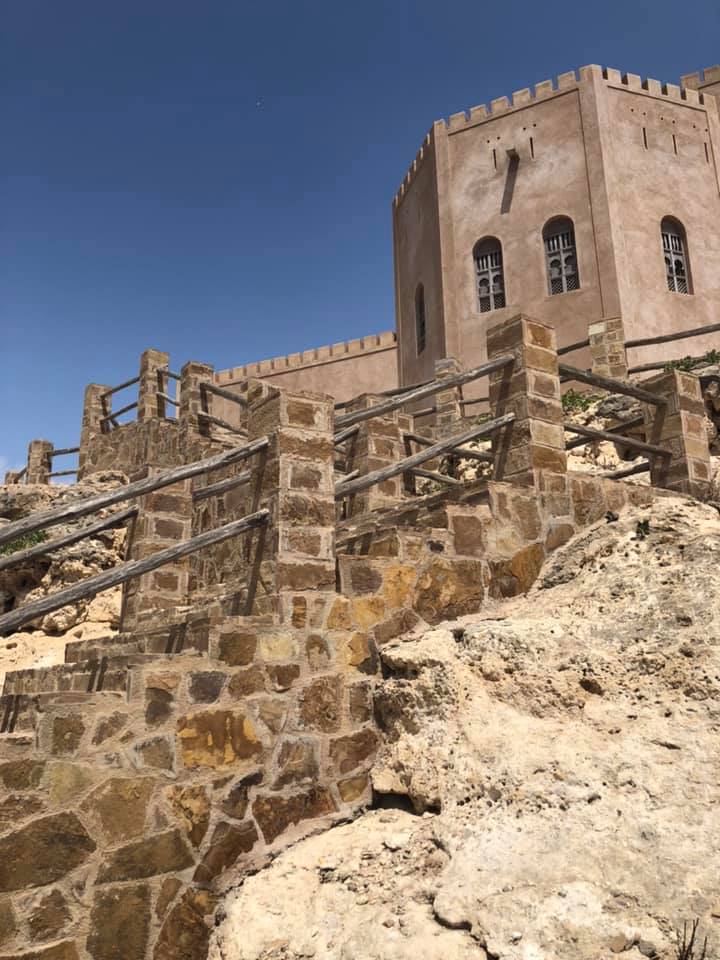
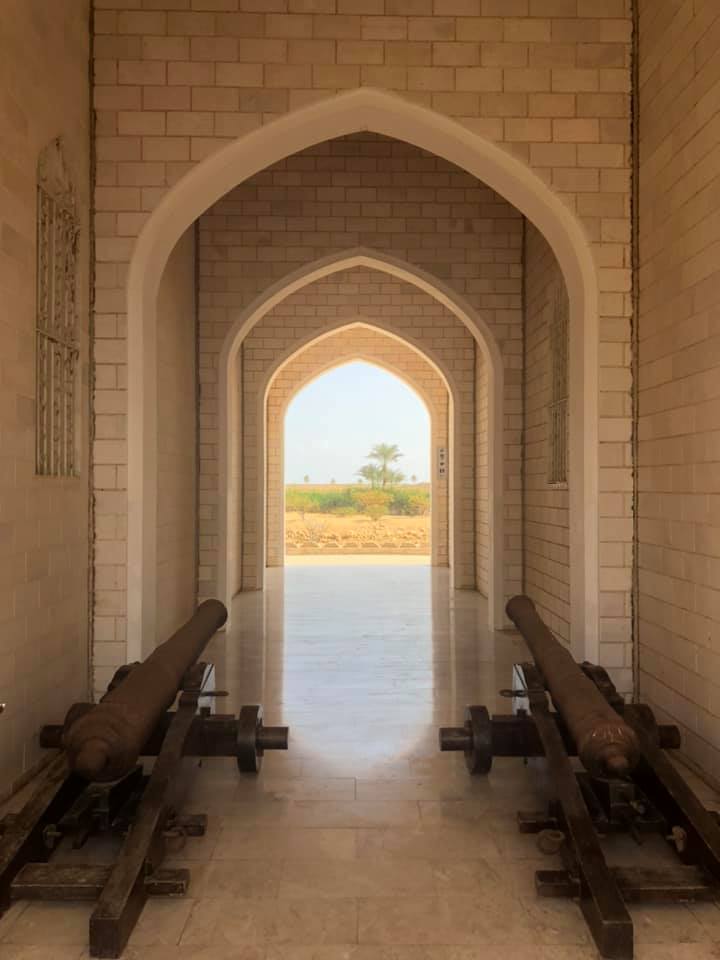
I decided I was going to drive out of Salalah, 40 kms west to Taqah and then make my way back stopping over at various sites. It is easy to drive in Salalah, the roads are big with hardly any traffic. It took me about 35 minutes to drive to Taqah castle. The castle itself is not very big but it’s definitely one of the most tourist friendly, full of information, which I always found the other forts and castles in Oman lack.
Stairs leading to the watch tower of Taqah castle
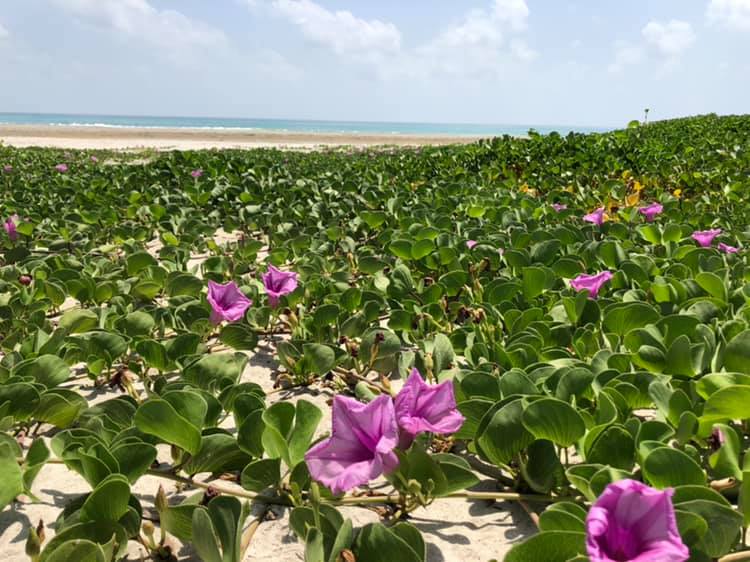
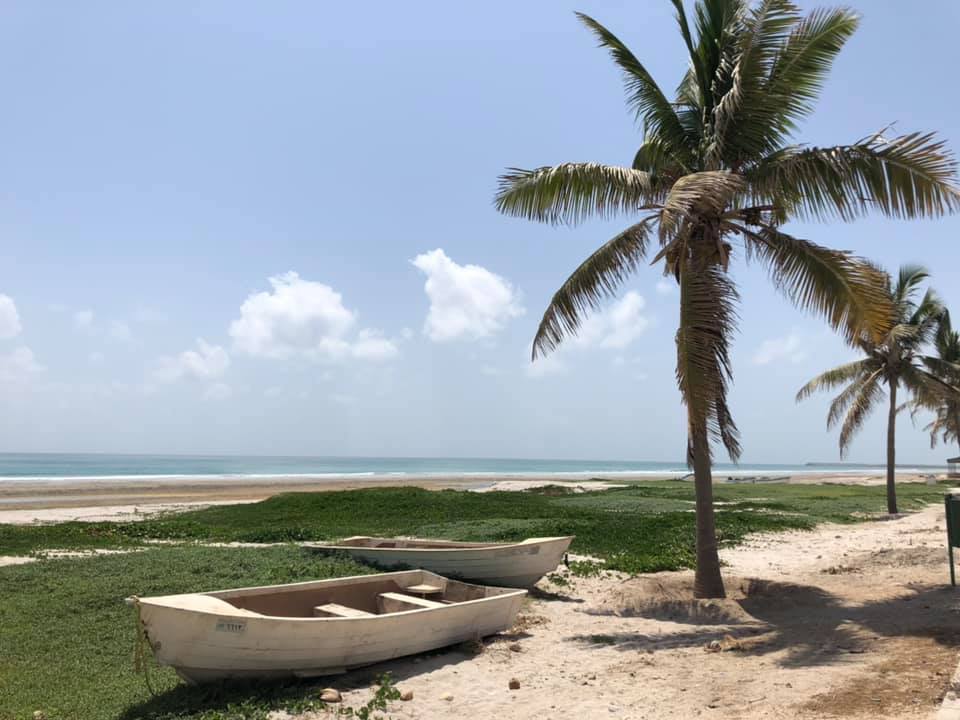
In close proximity to the castle is Taqah beach, which is mainly used by fishermen. Beautiful untouched white sand, only seagulls and fishing boats line this beach. A main road runs next to this beach, which makes it is easily accessible by car.
The sand here is quite deep, and as I ran back to the car, my mobile phone fell out of my pocket and into the sand! I only realised once I reached the car. You can just imagine my shear panic, realising I was in the middle of nowhere without a phone to guide me back. After running around like a headless chicken trying to retrieve my phone, I finally found it half buried in a heap of sand. I can’t remember the last time I was so relieved to see my mobile.
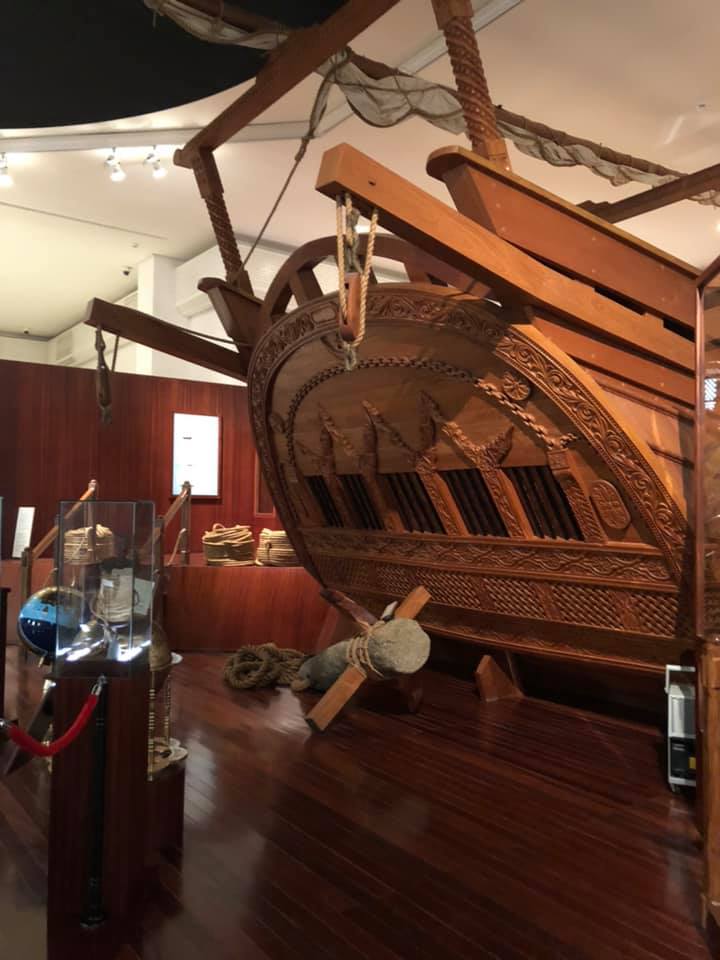
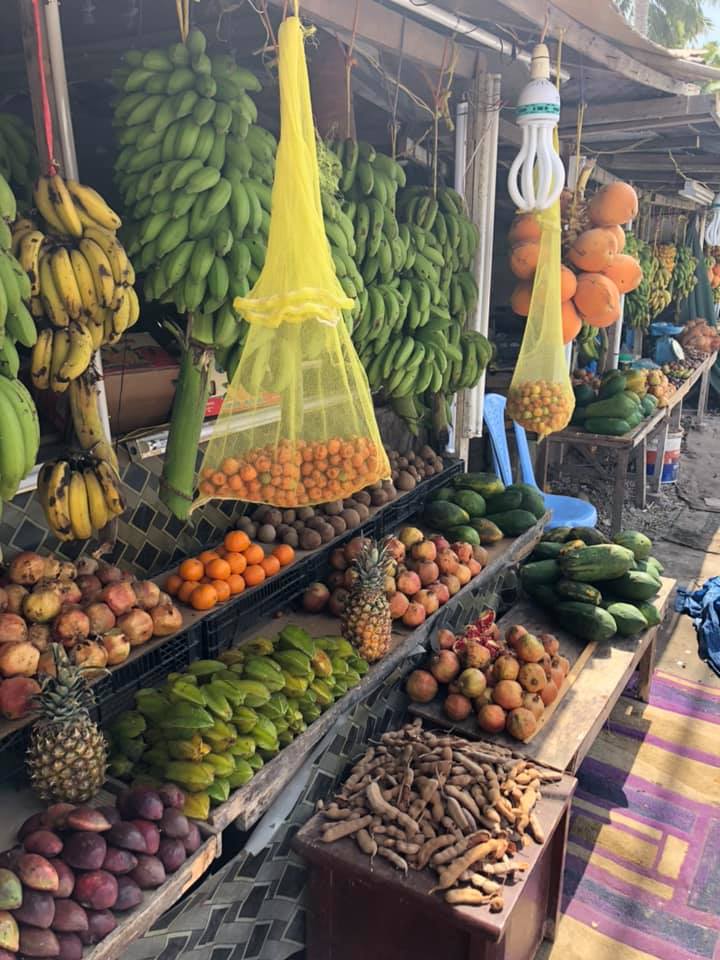
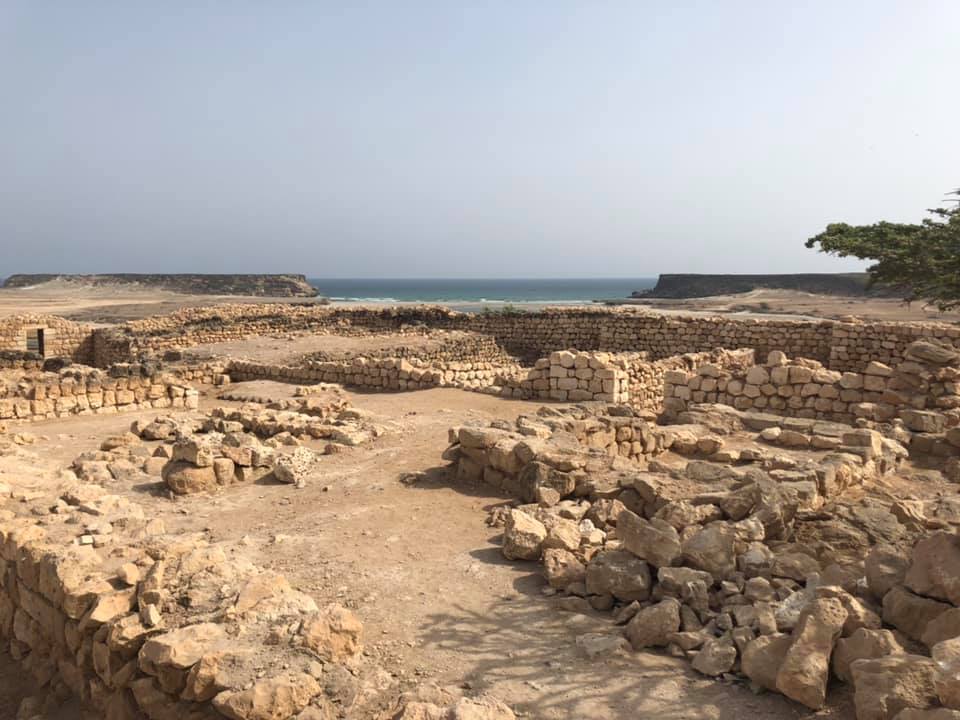
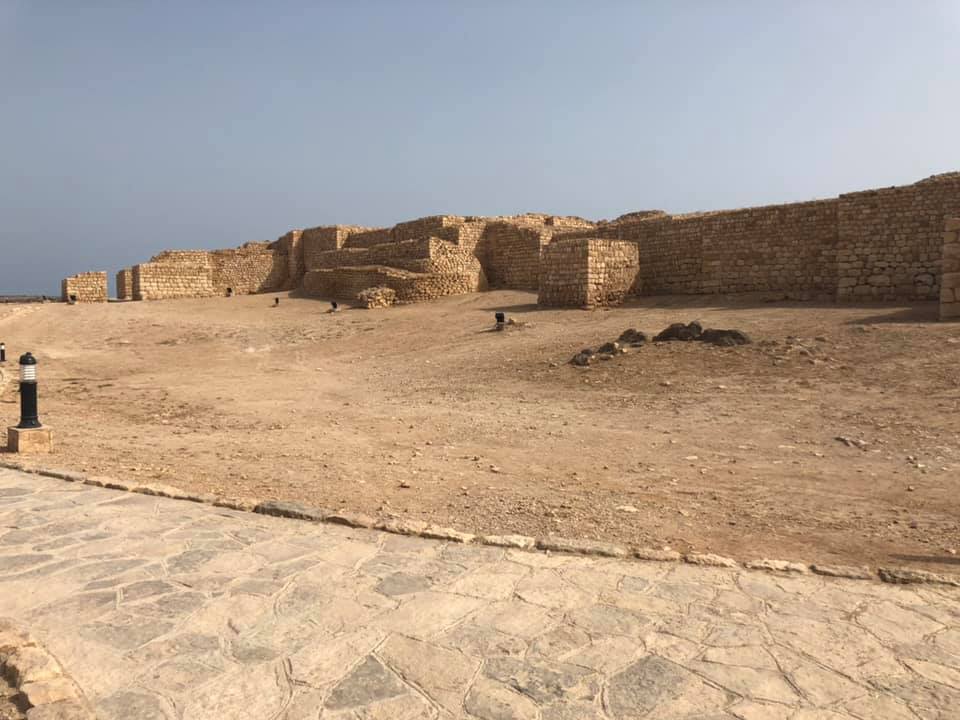
From Taqah beach I headed back towards Salalah, my next stop was The museum of frankincense. Here you will kill two birds with one stone. Next to the museum is the Al Baleed Archeological Site. This UNSECO world heritage site is a must see place. Here you will find the ruins of an ancient commercial port city. The museum itself is probably one of the better ones you will find in Oman. You will find a lot of information and artefacts on how frankincense was shipped out of Oman. In close proximity to the museum are lots of banana plantations, and Haffa beach. You can stop by the roadside and buy locally grown fruit from stalls or try fresh coconut water straight from a coconut.
Day 2 – Mughsail beach and Marneef Cave
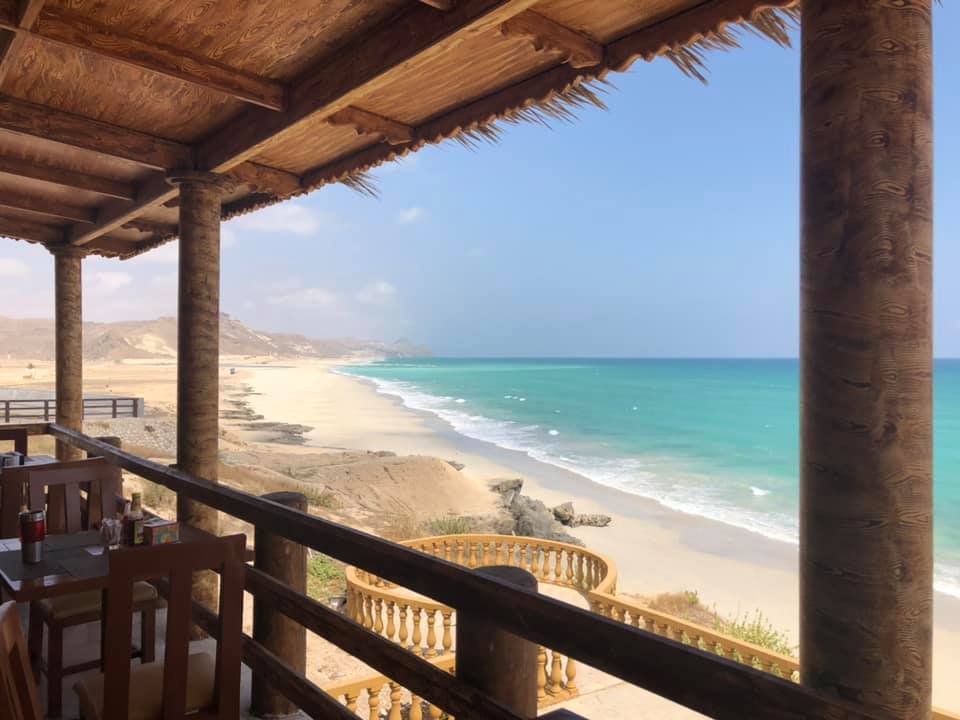
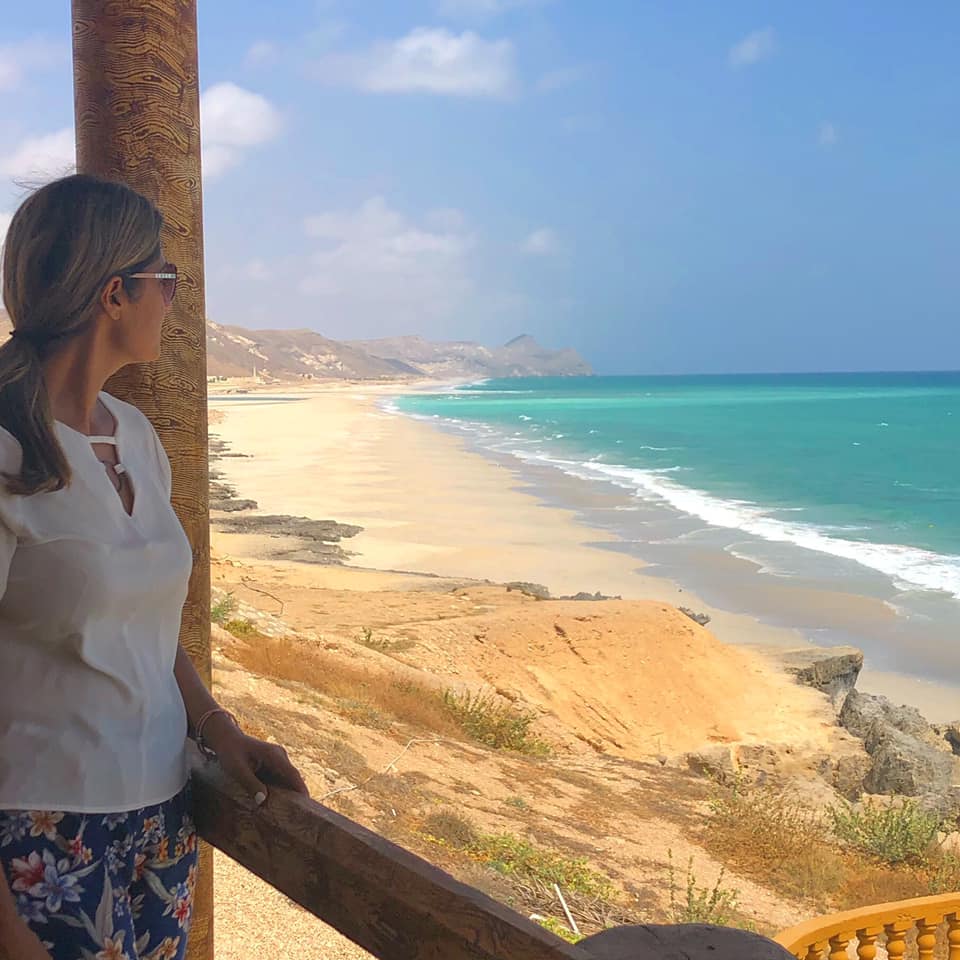
View of Mugsail Beach from a coffee shop
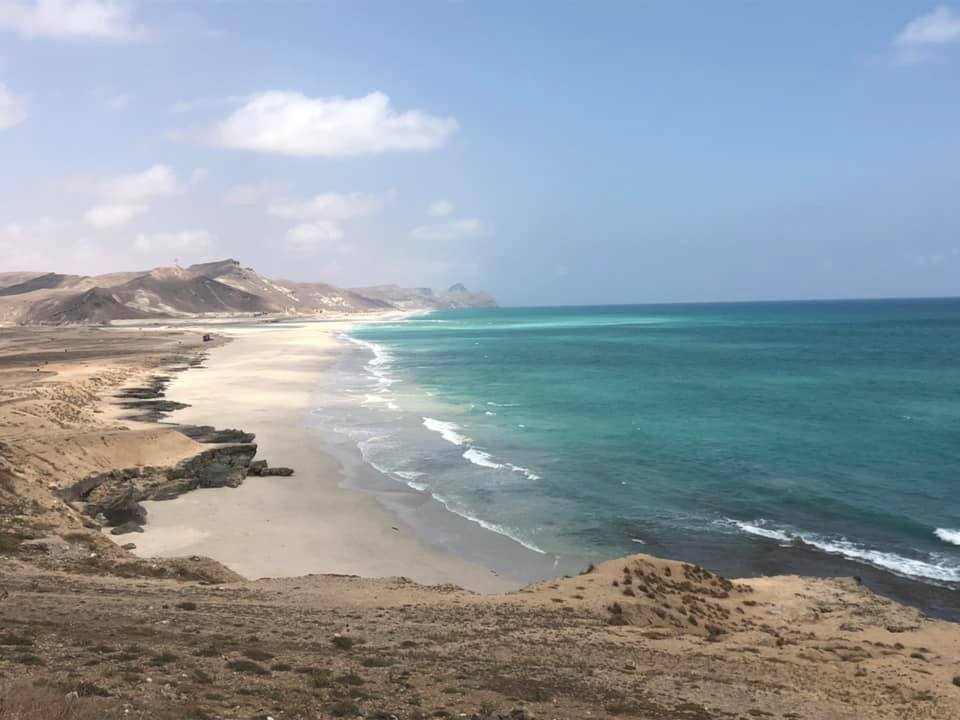
I decided to venture out to the west of Salalah. 50 km west and you will find Mughsail beach. The drive to this beach is easy enough, straight on a main road with no traffic. Once you are near the beach, it kind of just springs out at you as a beautiful surprise. Now March is not peak season unlike Khareef season from June to August. But if you want to spend time on a beautiful beach, with white sand and crystal clear water without many people around, then this is the place for you.
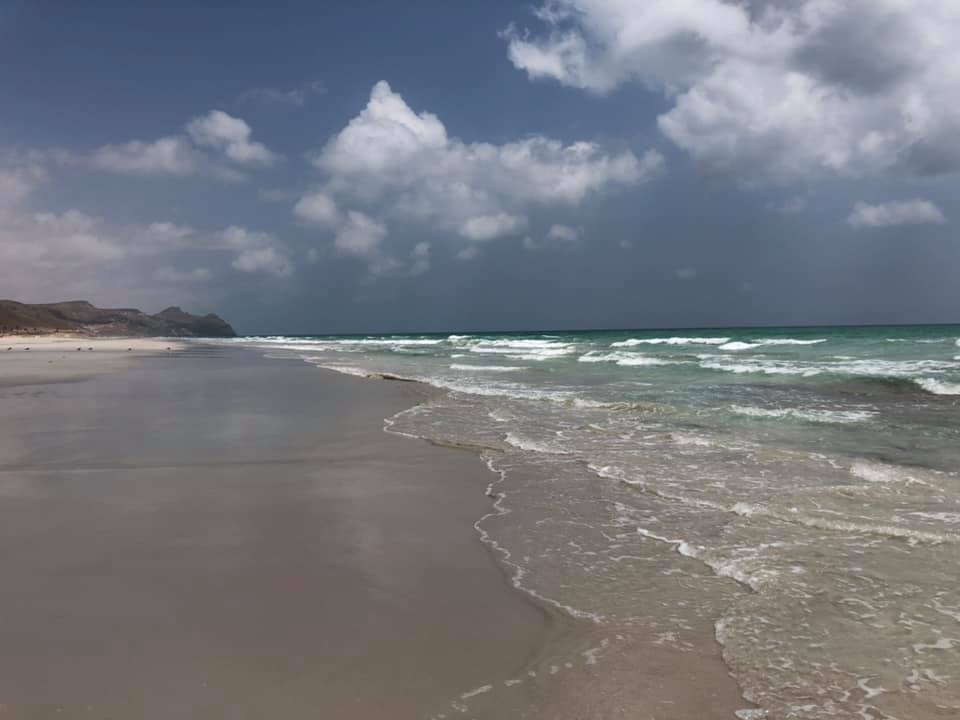
Miles of white and cystal clear water all to myself.
I arrived about midday and there was only one other car in the carpark and a couple far in the distance on the beach. I was told this beach gets busy but I suppose that is on the weekends and in peak season, I was lucky enough to have the whole beach to almost myself. You could easily spend hours here walking in the clear water, sunbathing or enjoying a picnic.
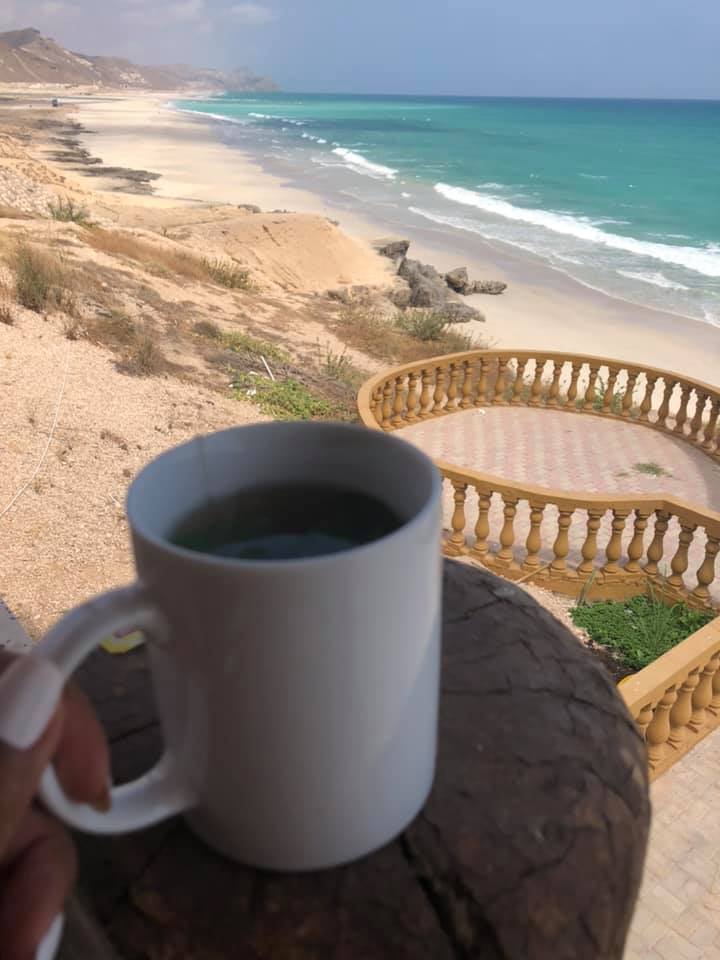
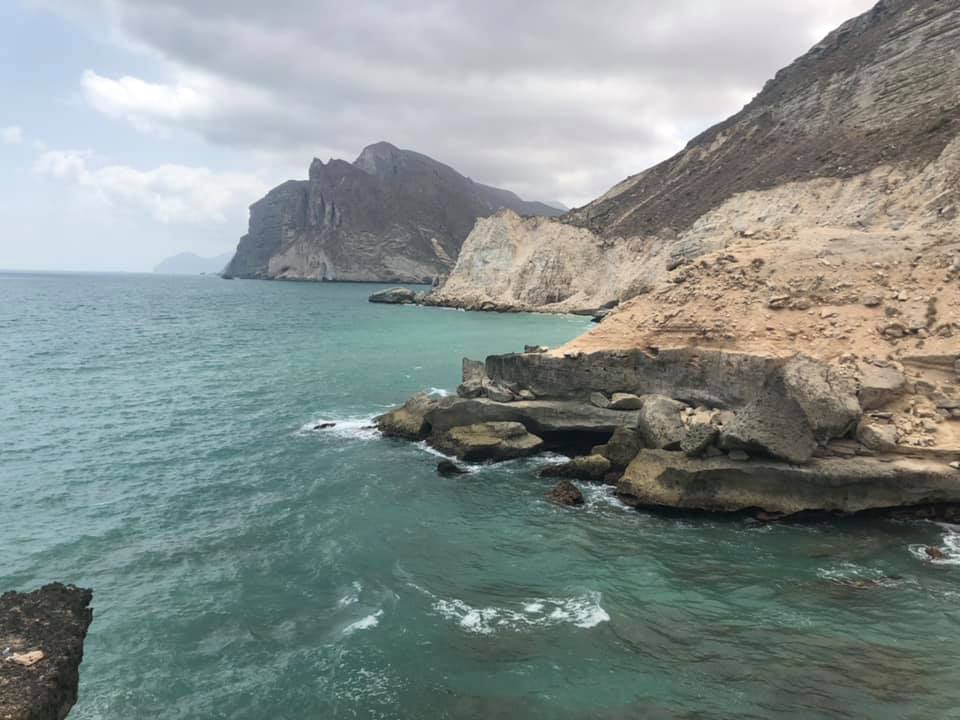
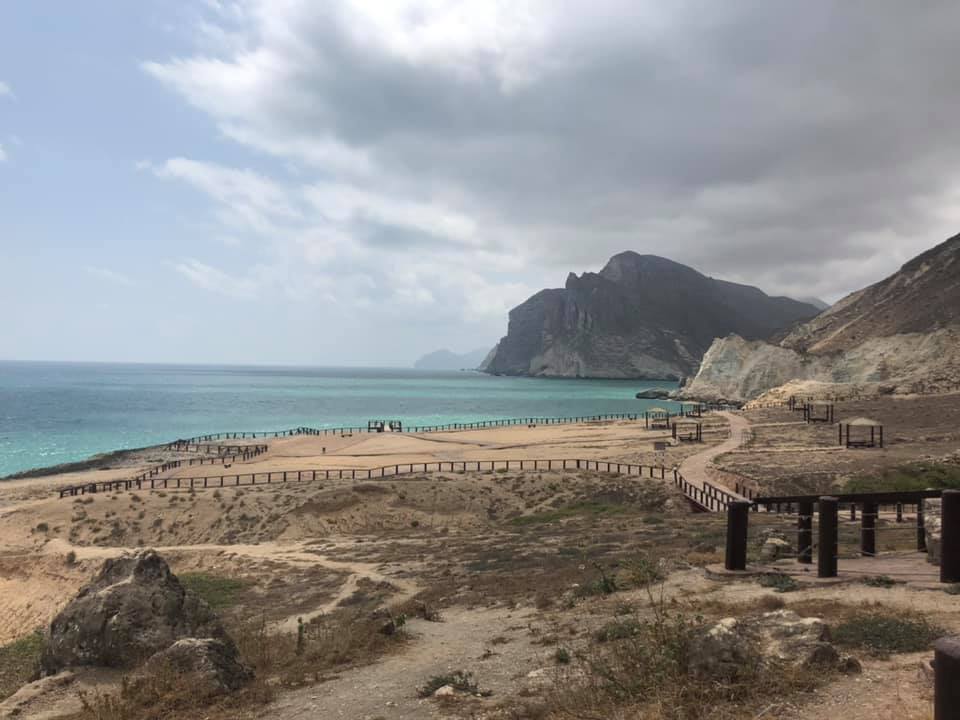
Drive another 1km and you will arrive at Marneef cave. Again only a few people were around enjoying the view. The cave in fact is not a cave but more of a carving in rocks formed through erosion over time, nevertheless it’s quite a spectacle site. During monsoon season there are also blow holes, where water from the sea blows out of holes in the ground. There is a lovely coffee shop with breathtaking views of Mughsail beach and Marneef cave, I would recommend getting a cup of tea or coffee, sitting down and taking in the view.
Day 3: Wadi Darbat and Khor Rori
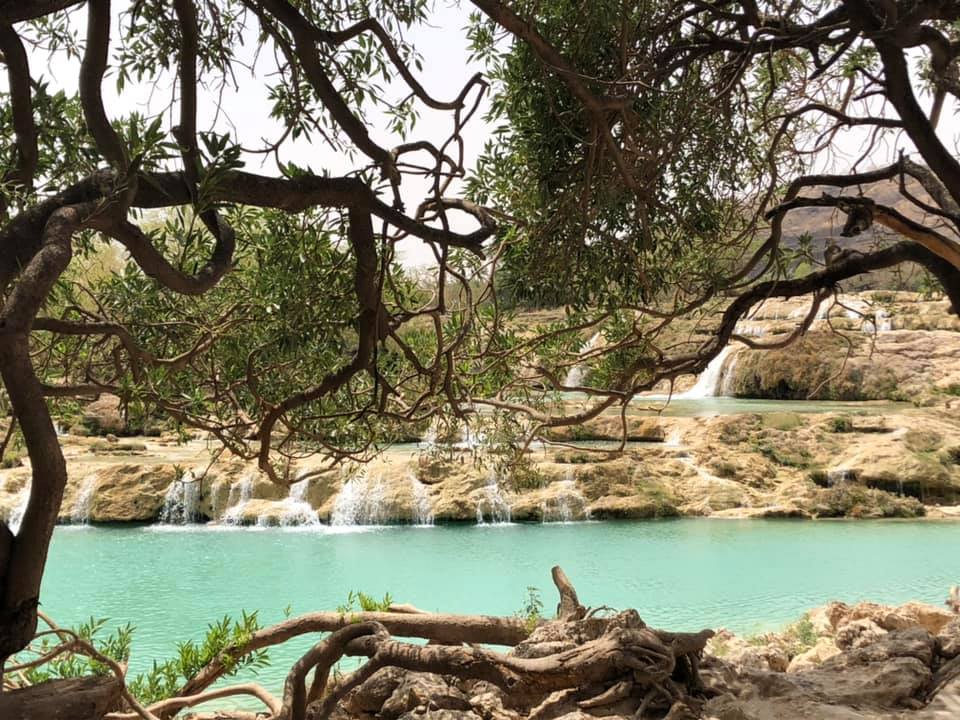
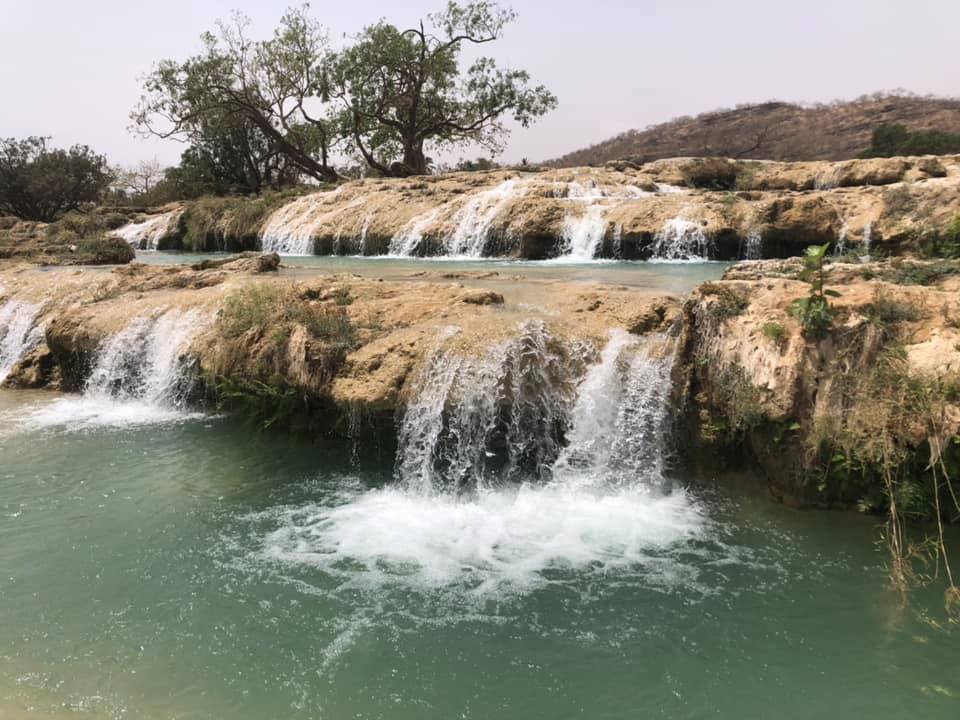
Some of the waterfalls at Wadi Darbat
Back on the road, this time 50 kms west of Salalah to Wadi Darbat. If you are short of time you can go here at the same time as visiting Taqah, but it will be a bit of a rush getting everything in. Wadi Darbat is spread out over many kms at least, during Khareef season the drive down would be full of greenery all around. I drove a normal saloon car, no need for a 4X4 as a flat road will take you straight there. There are many places for you to stop and go exploring or hiking. You will notice some of the waterfalls from the road and there are lot of places for you to park. My first stop was at the well known collection of small waterfalls.
Many mini waterfalls leading to a giant waterfall
Again I was the first person to arrive here (apart from a sleeping fruit seller). Due to it being dry season I was able to walk all the way up the waterfalls and get very close, this would not be possible during khareef season as most of the walking stones would be underwater. Walk with caution as you could easily slip. I was surprised at the amount of tropical fish in the clear blue water.
By the time I got back to my car, the place was getting busy with other tourists. I drove down to the lake (about 2kms drive). There wasn’t much to see during this season but I’ve been told it gets packed during the summer by people wanting to go boating.
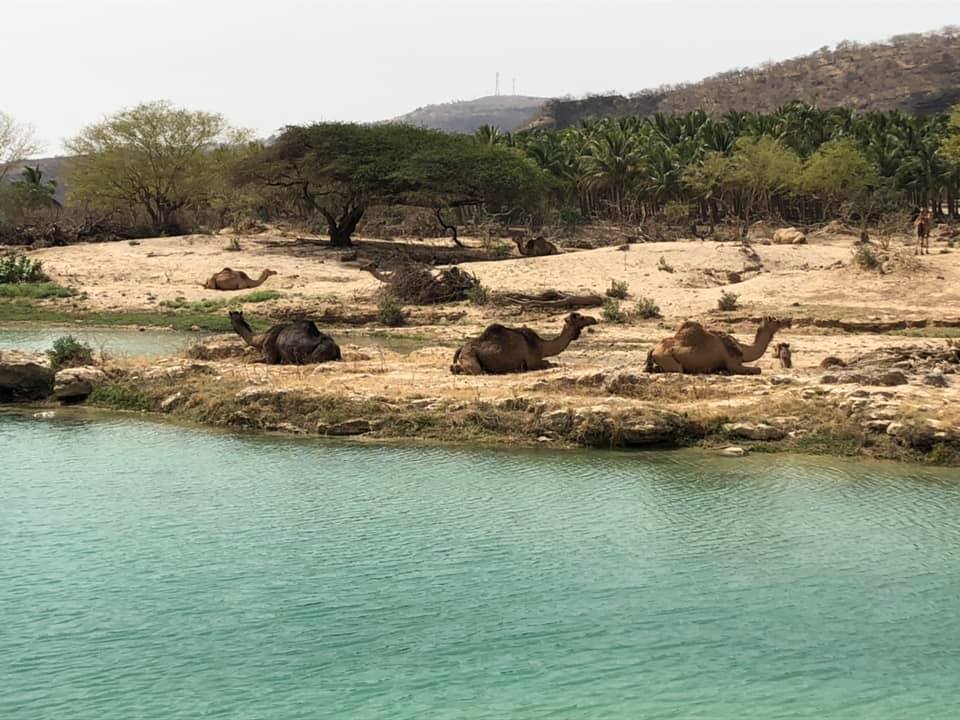
As I drove back I noticed a couple park up their car and head towards some camels sitting on an island in the middle of a wadi and I thought what a great photo opportunity. So I also parked up next to the them and headed towards the camels. Once I got there I realised it wasn’t the camels the couple were interested in. Just ahead I could hear the water from the wadis falling over the edge to create a waterfall. I decide to explore and am so glad I did. It was a bit of a hike but well worth the view, the water from the small waterfalls was creating a giant waterfall over the edge of the mountain. Again I was only able to see this from above because a lot of the water was dried up in the wadi, enabling me to walk over to the edge.
Sometimes it’s a good idea to just follow other explorers, you never know what great sites they might lead you to.
Camels relaxing on an island in a wadi
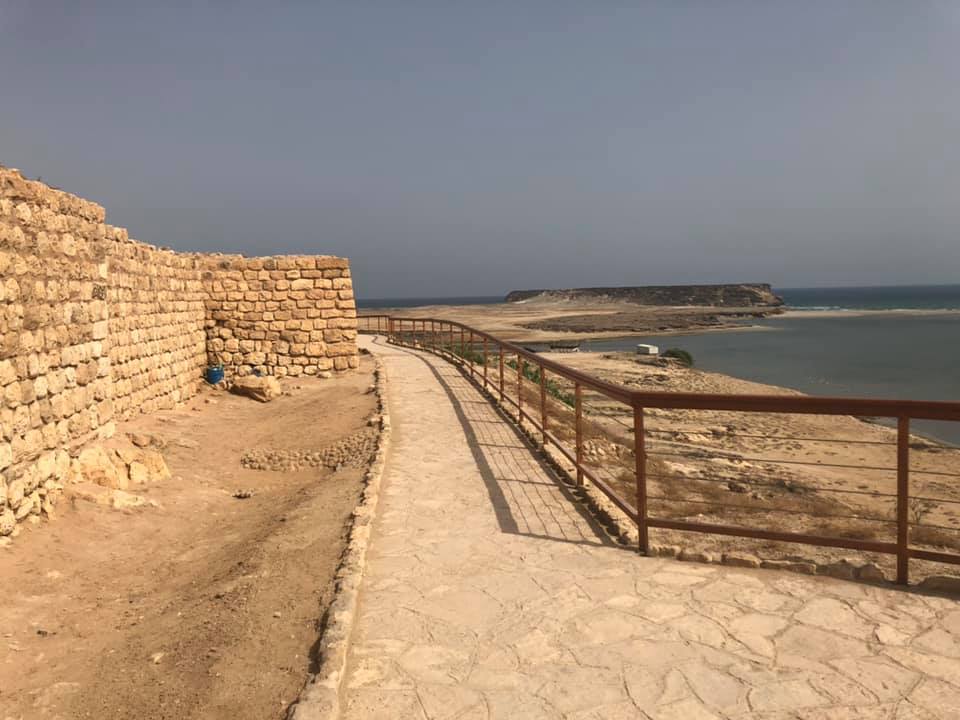
Back in the car, next stop was Khor Rori archaeological site, which was about 10 km from Wadi Darbat. As you drive towards this place you can see the ruins of this ancient city in the distance, situated on a hill and overlooking the Arabian sea. The road will take you straight to the entrance gates and the entrance fee is 2 rials per car. There is a small visitors centre giving you information about the site next to the car park. The ancient site of Sumhuram dates back to 3rd century BC – 5th Century AD, built in the area of Khor Rori. It is the most important pre-Islamic settlement in the Dhofar region and in the center of frankincense production area. You don’t need to spend long here but it’s definitely worth a visit.
A bit more information about Salalah:
Between 3 to 4 days is enough in Salalah. There were quite a few places that I didn’t visit that are highly recommended:
Fazayah Beach – About 8 km west of Mughsail beach. Also known as the secret beach for it’s flawless sand and turquoise water.
Ayn Khor , spectacular waterfall, but you need a 4×4 to get there.
There are quite a few nice beach hotels in Salalah, but most of them are isolated. If you are on a budget, there are cheaper hotels but beware of the locations, might not be so tourist friendly.
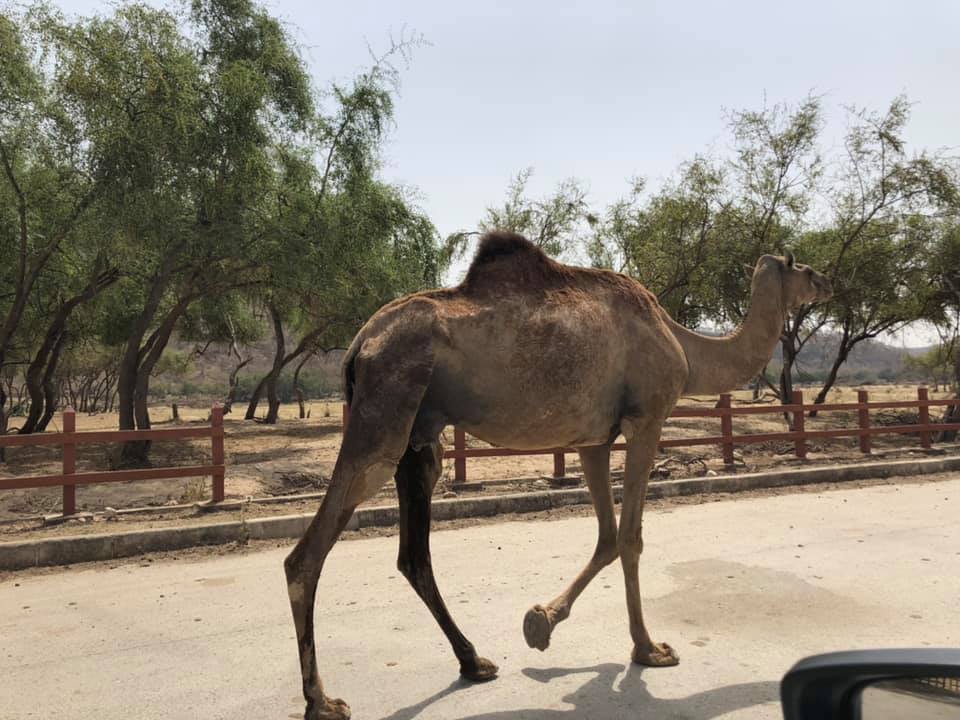
Finally if you love camels, Salalah is the place for you! Camels on roadsides, in the mountains, in the wadis, on the beaches, everywhere………

















 Prints and Stamps